Construction Building Collapses in Nairobi
Construction Building Collapses in Nairobi
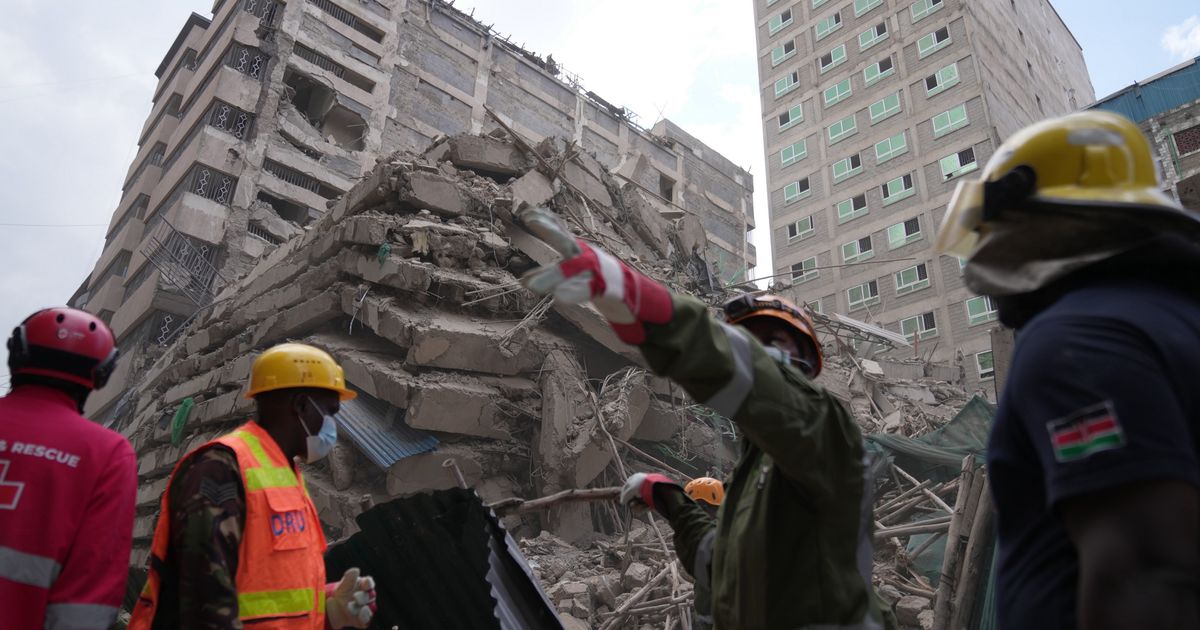
A multi‑storey building under construction in Nairobi suddenly collapsed in broad daylight, with widely shared video showing the structure crumpling to the ground within seconds. Both opposition and pro‑government outlets agree that the incident occurred at an active construction site hosting shops at ground level, that several people were trapped or injured (with early reports centering on at least seven people caught in the rubble, mainly shoppers), and that most construction workers managed to escape after noticing warning signs and evacuating. They also concur that emergency services and volunteer rescuers rushed to the scene to conduct search‑and‑rescue operations, while authorities cordoned off the area and began formal investigations into the collapse.
Across coverage, there is broad agreement that the building was reportedly around 18 stories high and was being developed without a proper permit, turning it into a deadly trap once structural failure began. Both opposition and pro‑government reporting reference Kenya’s recurring problem of unsafe or illegally approved buildings, connecting this collapse to a longer pattern of fatal construction incidents in Nairobi and other urban centers. Outlets on both sides acknowledge that questions have been raised about construction standards, professional oversight by engineers and contractors, and the role of local planning authorities, with renewed calls from experts and civil society for stricter enforcement and systemic reforms in the construction sector.
Areas of disagreement
Responsibility and blame. Opposition‑aligned coverage tends to frame the collapse as a direct outcome of systemic government negligence, arguing that regulators either turned a blind eye or were complicit in allowing an unpermitted 18‑story building to reach such an advanced stage. These outlets often stress a pattern of past collapses under the same administration and name specific agencies and political figures as responsible for regulatory capture and corruption. Pro‑government media, while acknowledging regulatory failings, tend to individualize blame, emphasizing the actions of the developer, negligent contractors, and rogue officials, and highlighting that investigations are underway to identify those directly responsible.
Framing of government response. Opposition sources typically portray the official response as reactive and cosmetic, pointing out that rescue efforts, while earnest on the ground, are being used by senior officials for public relations rather than substantive change. They question the timeliness of inspections, accuse authorities of downplaying prior complaints, and argue that announced probes often fade without accountability. Pro‑government outlets foreground images of coordinated rescue operations, quick deployment of emergency teams, and high‑level visits to the site, framing these as evidence that the state is responsive and capable in crisis management.
Systemic causes and reforms. Opposition coverage generally emphasizes deep‑rooted structural corruption, claiming that unsafe construction is enabled by bribery in planning offices, political patronage for well‑connected developers, and weak enforcement of court orders or stop‑work notices. These outlets argue that only broad political change and independent oversight bodies can break the cycle of collapses. Pro‑government media tend to speak in more technocratic terms, stressing gaps in capacity, outdated codes, and the need for better inter‑agency coordination, while highlighting ongoing or proposed reforms such as digital permitting, stricter site inspections, and enhanced penalties rather than wholesale political overhaul.
Portrayal of victims and public anger. Opposition‑aligned reporting often foregrounds the stories of victims and nearby residents to illustrate a wider sense of betrayal by state institutions, framing the anger as part of a broader discontent with economic hardship and perceived elite impunity. They may emphasize protests, critical statements from civil society, and social media outrage tying this collapse to a broader crisis of governance. Pro‑government outlets usually adopt a more restrained tone, humanizing victims but steering public emotion toward unity and resilience, focusing on community solidarity, heroic rescuers, and official promises of support to affected families rather than sustained political confrontation.
In summary, opposition coverage tends to depict the Nairobi building collapse as emblematic of entrenched state failure and corruption demanding far‑reaching political accountability, while pro‑government coverage tends to present it as a tragic but contained incident rooted in rogue actors and technical gaps, to be addressed through targeted investigations, administrative reforms, and visible emergency response.
Write a comment