Dijana Hrkalović Trial Postponed to November 18
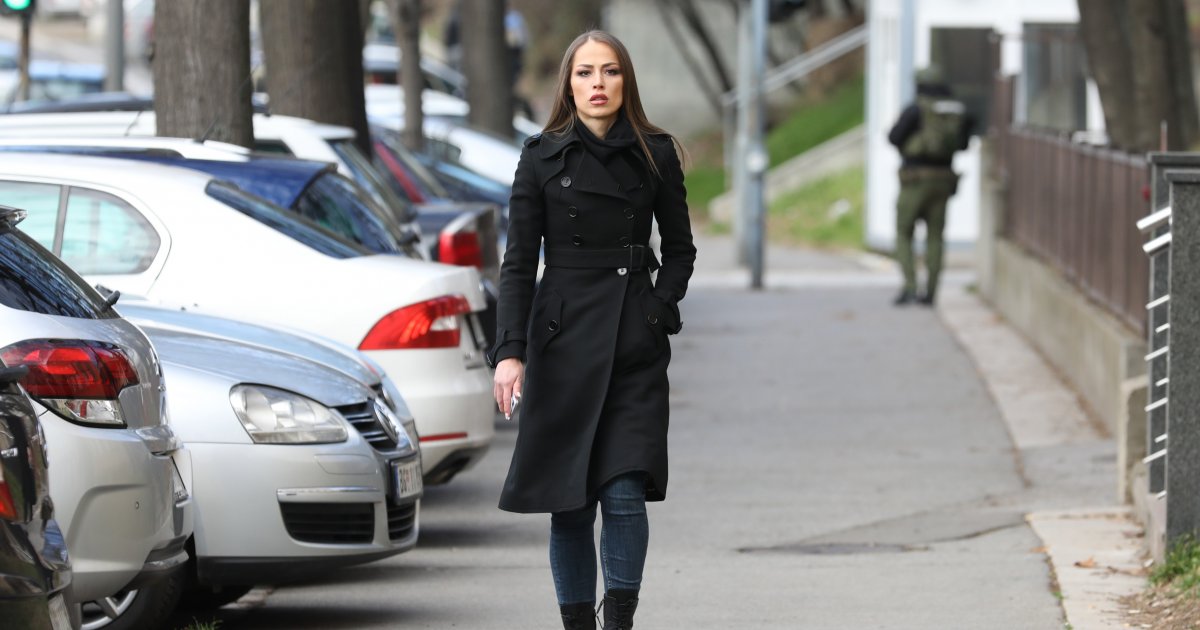
Dijana Hrkalović Trial Postponed to November 18
The trial of former Serbian Ministry of Internal Affairs state secretary Dijana Hrkalović at the Special Court in Belgrade has been postponed to November 18, after she informed the court she could not attend due to health problems, leading to the delay of scheduled closing arguments. Both opposition and pro-government outlets agree that this is a retrial ordered by the Appellate Court, which previously overturned a first-instance verdict that had sentenced Hrkalović to 16 months in prison and acquitted co-accused Dejan Milenković. They also concur that another accused, Milorad Šušnjić, had his sentence increased to four years in separate proceedings tied to the same broader case and that the prosecution is now asking for a substantially harsher sentence for Hrkalović and a custodial sentence for Milenković.
Across the spectrum, media describe Hrkalović as a former high-ranking official of the Ministry of Internal Affairs and emphasize that she is charged with obstructing investigations and trading in influence, allegedly linked to serious organized crime probes. Outlets of all types note that the case is seen as emblematic of the relationship between the police, political power, and criminal networks, and that the retrial follows institutional procedures after the Appellate Court’s intervention. They also agree that the Special Court’s handling of the case, including the postponement for health reasons, occurs within the formal framework of Serbia’s judiciary and that any eventual verdict may have broader implications for ongoing debates about rule of law and police accountability.
Areas of disagreement
Framing of the postponement. Opposition-aligned outlets tend to frame the adjournment to November 18 as suspiciously convenient and symptomatic of a justice system that bends deadlines and procedures for politically connected defendants, hinting that health reasons might be used tactically to delay a final verdict. Pro-government media, in contrast, present the postponement as a routine procedural step compelled by documented medical issues, stressing that courts must respect a defendant’s right to be present and that no extraordinary privilege is involved. While opposition sources emphasize patterns of delay in high-profile corruption and organized crime cases, pro-government coverage downplays any systemic reading and treats the date change as an isolated scheduling matter.
Significance of the retrial. Opposition outlets commonly portray the Appellate Court’s annulment of the earlier, milder sentence as proof that the first trial was compromised or tailored to protect higher-ups, and they describe the retrial as a pressured attempt to salvage institutional credibility under public scrutiny. Pro-government sources instead depict the retrial as evidence that judicial checks and balances are functioning, arguing that the appellate decision and new proceedings demonstrate independence rather than manipulation. Where opposition media stress that repeated trials erode confidence and suggest backroom bargaining, pro-government reporting presents the retrial as a normal corrective mechanism that enhances rule of law.
Political responsibility and networks. Opposition-aligned reporting typically situates Hrkalović within a broader network allegedly linked to the ruling party and organized crime, implying that her conduct reflects systemic capture of the police rather than individual excess. Pro-government outlets focus almost exclusively on her personal role and the legal qualifications of the charges, avoiding or explicitly rejecting claims that the case implicates current top officials. As opposition sources use the trial to question the integrity of the entire security and political hierarchy, pro-government media seek to quarantine the affair to a few former officials and emphasize that current institutions are cleaning up past abuses.
Consequences and expectations. Opposition media often speculate that, despite the prosecution’s request for harsher penalties, the final outcome may still be lenient or strategically timed, reinforcing a narrative that elites rarely face full accountability. Pro-government coverage, by contrast, underscores the seriousness of the requested five-year sentence for Hrkalović and one-year sentence for Milenković as proof that the state is willing to punish wrongdoing at high levels, whatever the political fallout. While opposition outlets highlight public skepticism and anticipate further controversy at the November 18 hearing, pro-government sources stress legal formalism and suggest that whatever verdict emerges will confirm that justice has run its course.
In summary, opposition coverage tends to interpret the postponement and retrial as signs of a politicized, selectively enforced justice system protecting entrenched networks, while pro-government coverage tends to present the delay, the appellate intervention, and the new hearing date as ordinary judicial steps that showcase the system’s fairness and readiness to sanction even former insiders.
Write a comment