Ivana Kovač Speaks After Her Father Mišo Kovač’s Death
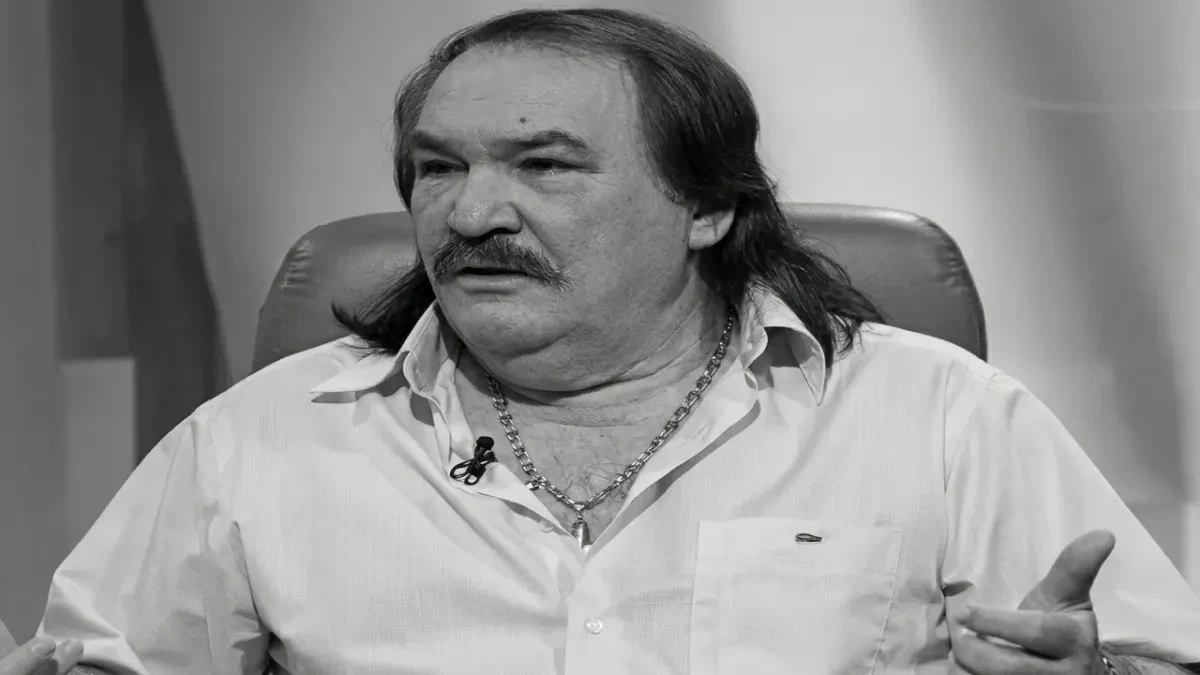
Ivana Kovač Speaks After Her Father Mišo Kovač’s Death
Ivana Kovač, daughter of the recently deceased Croatian music legend Mišo Kovač, made her first public reaction to her father’s death via social media. Both opposition-aligned and pro-government outlets report that she posted an emotional Instagram video clip of Mišo himself, in which he calmly reflects on his strong spirituality, his faith in God, and the cross he always wore as his greatest support, and that she did not add any written commentary to the post, allowing his words to stand alone. Coverage across the spectrum agrees that the video resonated widely with the public and fans across the region, becoming a focal point for collective mourning and remembrance of the iconic singer.
Across outlets, there is shared description of the official farewell plan: a multi-day series of commemorative events in different Croatian cities closely tied to Mišo Kovač’s life and career. Reports concur that ceremonies will start in Šibenik, then move to Split for a central commemoration at Poljud stadium at 4 PM with the participation of numerous musicians and large numbers of fans, and finally conclude in Zagreb the following day. Media on both sides situate Mišo as a unifying cultural figure whose songs long transcended political divides, and they highlight the role of local authorities, the music community, and the wider public in organizing and attending the tributes.
Areas of disagreement
Tone and framing of Ivana’s message. Opposition-aligned sources tend to frame Ivana’s silent sharing of the video as a restrained, personal act of grief, emphasizing her decision not to speak publicly beyond amplifying her father’s own words. Pro-government outlets more often present the same gesture as a dignified, exemplary response, underlining how her focus on faith and spirituality mirrors values they associate with national identity. While both sides acknowledge the emotional impact of the clip, opposition coverage leans toward interpreting it as a private daughter’s farewell, whereas pro-government coverage uses it to reinforce an image of continuity between Mišo’s legacy and socially endorsed virtues.
Political symbolism around the farewell ceremonies. Opposition media are prone to downplay or critically scrutinize any overt state or ruling-party presence at the Šibenik, Split, and Zagreb events, stressing the role of ordinary fans and the artistic community over institutions. Pro-government outlets, by contrast, highlight coordination by local and national authorities, the scale of the Poljud stadium commemoration, and the participation of public figures as a sign of national unity. This leads opposition narratives to treat the ceremonies as grassroots cultural mourning that should remain apolitical, while pro-government narratives present them as state-recognized tributes that reflect broad social consensus.
Use of Mišo’s image and faith. Opposition-aligned coverage generally treats Mišo’s talk of faith and the cross in the video as part of his personal spirituality and artistic persona, cautioning against reading it as an endorsement of contemporary politics. Pro-government sources are more inclined to foreground these elements as emblematic of traditional values, subtly linking his religiosity and patriotism with the moral foundations they claim to champion. Thus, opposition outlets position his faith as intimate and above politics, whereas pro-government outlets emphasize it as culturally representative and convergent with the ruling side’s preferred narratives.
Legacy and ownership of memory. Opposition media tend to argue implicitly that Mišo Kovač belongs to the people rather than to any political camp, warning against attempts to “appropriate” his legacy through official ceremonies or partisan rhetoric. Pro-government outlets often underscore how leaders, institutions, and mainstream media collectively honor him, suggesting his status as a national symbol that naturally includes the current authorities. As a result, opposition coverage stresses plural, contested memories and a need to protect his image from politicization, whereas pro-government coverage leans into a cohesive, state-framed story of a universally celebrated national icon.
In summary, opposition coverage tends to stress Ivana Kovač’s post as a private, apolitical expression of grief and guard Mišo Kovač’s legacy from state or partisan framing, while pro-government coverage tends to present her message and the farewell ceremonies as harmoniously aligned with national values, institutional recognition, and a unifying narrative of cultural and spiritual continuity.
Write a comment