Reports Highlight the Same Washing Machine Cleaning Problem
Reports Highlight the Same Washing Machine Cleaning Problem
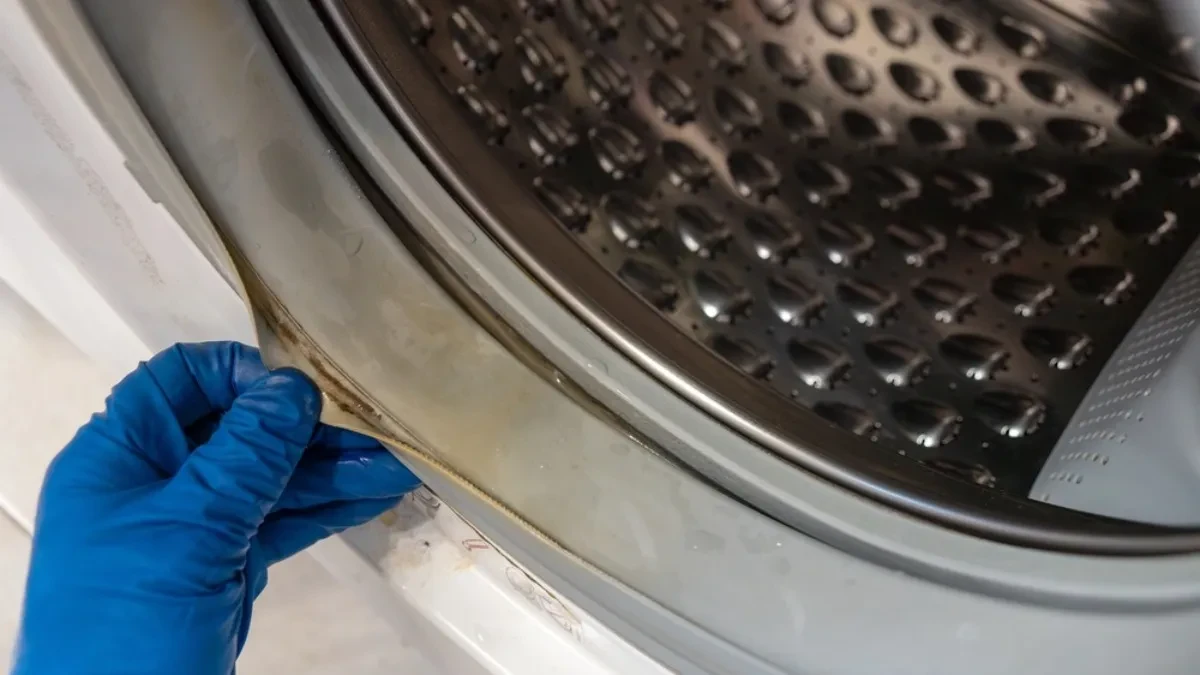
Reports from both opposition and pro-government outlets describe a recurring problem of washing machines producing laundry that smells musty or damp, even when the visible drum looks clean. They agree that the issue typically arises after prolonged use, affects both older and relatively new machines, and is most noticeable in households that frequently use low-temperature wash cycles. Both sides highlight that standard cleaning efforts—wiping the rubber seal, rinsing the detergent drawer, and occasionally running an empty hot cycle—often fail to eliminate the odor because they do not address the areas where residue actually accumulates. All coverage converges on the same technical explanation: hidden or less accessible parts of the drum assembly collect detergent residue, lint, and dirt, which trap moisture and bacteria and generate persistent smells that then transfer to clothes.
Opposition and pro-government sources also agree on the general maintenance framework and the role of manufacturers and service instructions in tackling the problem. They both emphasize the need to consult the washing machine’s manual before attempting any disassembly, to unplug the appliance for safety, and to consider professional servicing if users are unsure or if the design makes access difficult. Across coverage, there is consensus that modern energy- and water-saving habits, such as frequent cold washes and small detergent overdoses, have unintentionally increased residue buildup in these concealed spaces. Both sides frame the issue as part of a broader pattern where complex home appliances require more informed user maintenance, and where consumer education, clear manufacturer guidance, and possibly design improvements are crucial to preventing odor problems from recurring.
Areas of disagreement
Responsibility and blame. Opposition-aligned outlets tend to frame the odor problem as a symptom of inadequate manufacturer transparency and regulatory oversight, arguing that companies knowingly design machines with hard-to-clean zones while downplaying maintenance demands in marketing. Pro-government coverage, by contrast, emphasizes user behavior, stressing that many owners ignore manuals, skip periodic cleaning, or misuse detergents, and thus bear the primary responsibility. While opposition sources hint that consumer-protection bodies should pressure brands to redesign drums or clarify risks, pro-government reports present the issue mainly as a correctable household practice.
Role of the state and regulators. Opposition reporting typically connects the hidden-drum cleaning issue to a wider pattern of lax enforcement of product standards and consumer rights, suggesting regulators should mandate clearer maintenance labeling and minimum hygiene design criteria. Pro-government media, however, largely keep the state in the background, portraying the matter as a technical and domestic know-how issue that does not require new regulations. Where opposition pieces infer systemic neglect or capture of watchdog agencies, pro-government outlets frame existing rules as adequate and focus on disseminating practical tips instead of calling for institutional reforms.
Framing of manufacturers and service sectors. Opposition sources often portray manufacturers and authorized service centers as benefiting from the difficulty of self-cleaning hidden components, implying that confusing design and limited user guidance generate more paid service visits and out-of-warranty repairs. Pro-government coverage tends to present the same manufacturers as responsible actors who already provide the necessary instructions in manuals and online resources, arguing that professional help is recommended mainly for safety and to prevent user damage. While opposition outlets question the incentives of the service ecosystem, pro-government ones normalize it as a supportive infrastructure for complex appliances.
Socioeconomic and consumer impact. In opposition narratives, the washing machine odor problem is linked to broader cost-of-living pressures, with smelly laundry leading to repeated wash cycles, higher utility bills, and potential replacement costs that hit lower-income households hardest. Pro-government reporting generally underplays this distributive angle, treating the issue as a nuisance that can be resolved with modest effort and occasional professional intervention. Opposition coverage uses the problem to illustrate how ordinary consumers shoulder hidden costs of appliance design, whereas pro-government outlets underscore individual adaptation and informed maintenance as sufficient solutions.
In summary, opposition coverage tends to treat the washing machine cleaning problem as evidence of structural shortcomings in manufacturer practices and regulatory protection, while pro-government coverage tends to depict it as a manageable household maintenance issue rooted mainly in user habits and addressed through following existing guidance and, when needed, professional service.
Write a comment