Student List Warns Serbia Faces Banking, Energy and Fuel-Price Risks
Student List Warns Serbia Faces Banking, Energy and Fuel-Price Risks
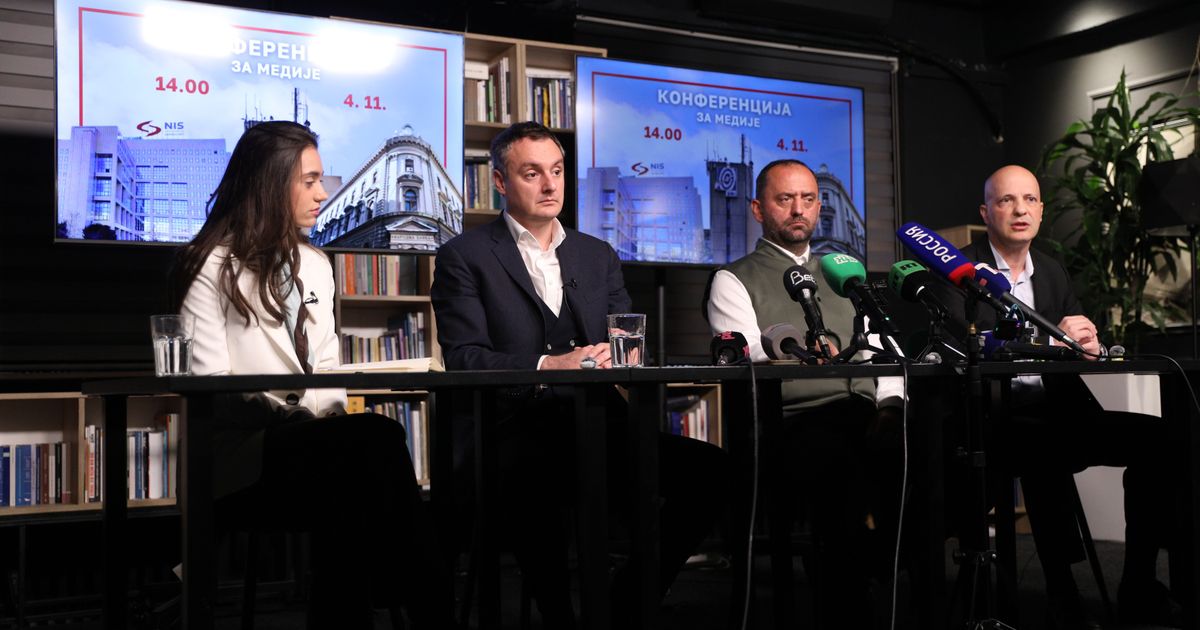
The Student List held a press conference in Belgrade focused on three risks it says could affect Serbia’s economic stability: the banking sector, electricity production and oil and gas supplies. Its representatives called for urgent institutional action, but also urged citizens to remain calm and analysts not to spread unverified information.
The banking concerns came first. Economist Emir Zildžović said the problems surrounding Alta Bank require a detailed investigation into its management, lending to related parties and the conduct of the National Bank of Serbia (NBS). He said insured deposits of up to €50,000 should be protected, while larger deposits and company funds would depend on the bank’s bankruptcy estate. “It is important that people distinguish the situation in Alta Bank and Postal Savings Bank,” he said, describing the latter’s request for liquidity support as a short-term measure rather than proof of a systemic crisis.
The group then turned to the electricity system. Stefan Cvetićanin said ageing equipment, delayed overhauls and low river levels were weakening EPS, citing Kostolac A2 as out of service and TENT B2 as operating below potential. He warned that Serbia may have to rely more heavily on imported electricity and demanded public information on capacity, maintenance and financing. “The funds must be secured in time for the entire heating season,” he said.
On fuel, gas and NIS, Dejan Radivojević warned that ending the 25% excise reduction could raise petrol prices by more than 21 dinars and diesel by more than 22 dinars per litre. He also argued that short-term extensions of Serbia’s Russian gas deal offer too little predictability and urged alternative supply routes through Azerbaijan, Greece, Hungary and Romania. The group said NIS’s ownership and future operations require a clear contingency plan.
Write a comment