Generalštab Trial Postponed After Goran Vasić’s Hospitalization
Generalštab Trial Postponed After Goran Vasić’s Hospitalization
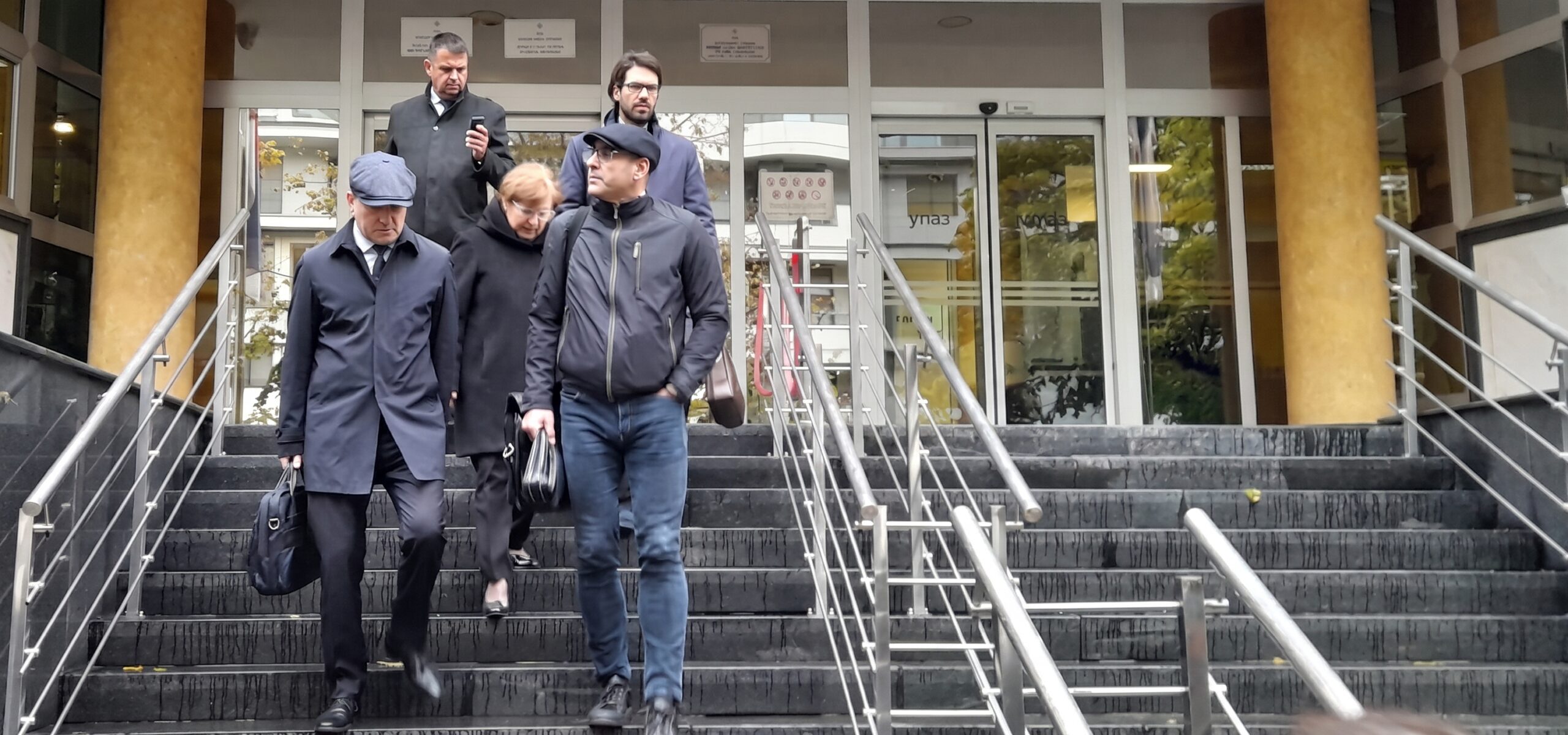
The latest hearing in the “Generalštab” case before the Higher Court in Belgrade was postponed because one of the accused, Goran Vasić, is hospitalized, with both sides reporting that his condition is being treated at a cardiovascular institute and described as calf pain or related complications. All outlets agree that the trial, in which a sitting minister Nikola Selaković and several other officials are charged with abuse of office and document forgery over the removal of cultural heritage protection from the General Staff buildings, has been rescheduled for November 23 and that Vasić did not appear in court. It is also consistently reported that the prosecution suggested the trial continue without Vasić, while the defense requested an adjournment and opposed separating his case from that of the other defendants, leading the court to opt for postponement of the entire proceeding.
Across both opposition and pro-government coverage, the “Generalštab” case is framed within the institutional context of the Higher Court in Belgrade and Serbia’s system for protecting cultural monuments, especially the controversial removal of protection from the General Staff buildings. The media on both sides reference the same underlying charges—alleged abuse of office and falsification of documents connected to the declassification of these buildings as cultural property—and present the case as part of a broader debate over how state authorities handle cultural heritage. Both camps acknowledge the positions of the main actors: the defendants’ formal denial of guilt, the prosecutor’s insistence on procedural progress, and the defense’s emphasis on Vasić’s health and the integrity of a joint trial, situating the hearing within ongoing judicial proceedings rather than as a concluded matter.
Areas of disagreement
Seriousness and motive of the postponement. Opposition outlets treat Vasić’s hospitalization with a note of skepticism, implicitly questioning whether health issues are being used as a tactic to delay accountability in a politically sensitive case. Pro-government media, by contrast, emphasize medical documentation and defense claims that public “hysteria” around the case has worsened his condition, suggesting the postponement is an unfortunate but legitimate consequence of pressure. While the opposition stresses the pattern of high-profile defendants avoiding court appearances, pro-government sources frame the delay as a reasonable accommodation within due process.
Framing of the defendants and the case. Opposition reporting foregrounds that a serving minister and senior officials are accused of abuse of office and document forgery, tying the case to systemic misuse of power and erosion of cultural heritage protection. Pro-government coverage notes the same charges but gives more space to the defendants’ denials and legal arguments, portraying them as public servants under attack amid politicized media noise. Opposition media depict the case as emblematic of broader government impunity, whereas pro-government outlets present it as a technical legal dispute over administrative decisions about property status.
Public reaction and cultural heritage stakes. Opposition-aligned sources highlight the presence of protesters outside the court demanding protection of cultural heritage and accountability, using this to underscore public concern over the fate of the General Staff buildings. Pro-government media either downplay or omit protest details, instead stressing procedural aspects of the hearing and the formal mechanisms for determining cultural property status. In opposition narratives, the trial postponement is another blow to already fragile heritage safeguards, while pro-government narratives treat heritage issues as regulated through established institutions rather than street pressure.
Attribution of pressure and politicization. Opposition coverage suggests that political power structures are exerting influence to slow or blunt judicial scrutiny, with the postponement fitting a pattern of politically connected figures avoiding timely trials. Pro-government sources shift the notion of pressure outward, arguing that media campaigns and opposition-driven “hysteria” are unfairly targeting the defendants and potentially harming their health. Thus, opposition media see politicization as emanating from those in power shielding themselves, while pro-government media see it as driven by critics weaponizing the courts and public opinion.
In summary, opposition coverage tends to portray the postponement as a questionable delay in a politically charged case symbolizing abuse of power and neglect of cultural heritage, while pro-government coverage tends to legitimize the adjournment as a health-based procedural necessity and frame the defendants as targets of overblown, politicized pressure.
Write a comment