Electronic Entry Toll Introduced at Fruška Gora National Park
Electronic Entry Toll Introduced at Fruška Gora National Park
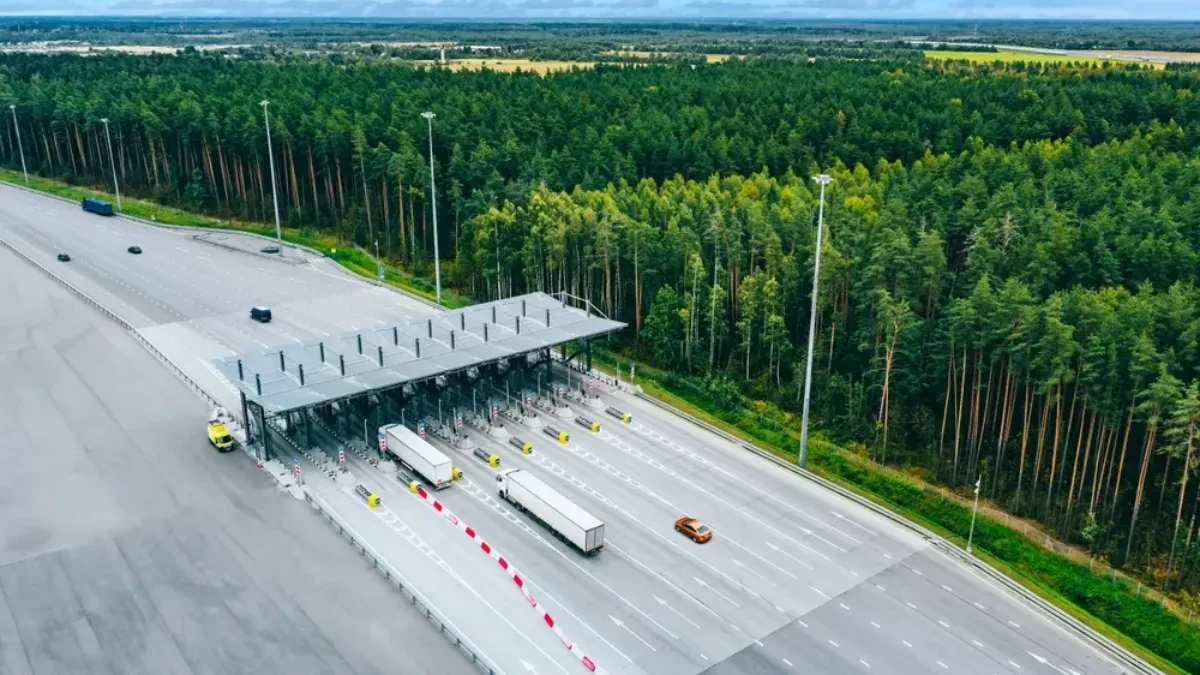
Electronic toll collection for entry of motor vehicles into Fruška Gora National Park has been introduced as of November 5, with both opposition and pro-government outlets agreeing on the basic contours of the measure. Coverage across the spectrum reports that fees are calculated by vehicle category and by the duration or type of pass, with the lowest daily or short-term passes starting around 100 dinars and the most expensive annual or commercial passes going up to about 18,000 dinars. Both sides note that the system is electronic rather than cash-based, that it applies specifically to vehicle entry rather than to pedestrians, and that there is a defined list of 20 surrounding municipalities whose residents are exempt from paying the toll. The media broadly agrees that the measure was formally adopted by the management of Fruška Gora National Park, is being implemented at official entry points, and is framed as a new fee rather than a rebranding of an existing tax.
Opposition and pro-government sources also concur that Fruška Gora is a protected national park of high ecological and recreational value, heavily frequented by visitors from Novi Sad, nearby municipalities, and the broader Vojvodina region. Both sides mention that the park has long faced issues such as road maintenance, visitor pressure, and the need for stable funding for environmental protection and infrastructure, and they present the toll as formally earmarked for funding the park’s upkeep. There is shared acknowledgment that Serbia’s national park system has seen incremental commercialization and diversification of funding sources in recent years, and Fruška Gora is not the first area where vehicle access has been more tightly regulated. Coverage from both camps notes that the measure comes amid broader discussions about how to finance protected areas without overburdening local residents, hence the explicit exemptions for people registered in the 20 neighboring municipalities.
Areas of disagreement
Purpose and justification. Opposition-aligned sources tend to cast the new toll primarily as a revenue-raising mechanism that monetizes public nature and burdens ordinary visitors, framing official justifications about ecology as secondary or pretextual. Pro-government outlets, by contrast, foreground environmental protection and infrastructure maintenance, stressing that the money will improve roads, cleanliness, and conservation in the park. While pro-government media highlight the technical modernity of an electronic system as proof of better management, opposition commentary more often treats the same fact as an efficiency upgrade for extracting fees rather than for protecting the environment.
Social impact and fairness. Opposition coverage emphasizes how the toll could price out lower-income visitors from cities like Novi Sad and beyond, arguing that a natural public good is becoming a privilege for those who can afford repeated payments. Pro-government reporting underscores the exemption for residents of 20 surrounding municipalities as evidence that local people are protected and that only external traffic and tourism will bear the cost. Where government-friendly outlets portray the tariff ladder (from 100 to 18,000 dinars) as flexible and fair, opposition-aligned voices stress that frequent visitors and certain categories of users may still face a significant cumulative burden.
Transparency and governance. Opposition sources tend to question how the collected funds will be managed, asking whether the park’s finances are sufficiently transparent and suggesting that the scheme could feed into broader patterns of politicized public company management. Pro-government outlets present the park administration as a professional body operating within established legal frameworks, mentioning approval procedures and formal decisions while downplaying or omitting concerns about oversight. In opposition narratives, the toll fits into a wider critique of central and local authorities monetizing public assets, whereas pro-government media frame it as a routine, regulated tool of modern park governance.
Public consultation and legitimacy. Opposition-aligned reporting frequently argues that citizens, environmental groups, and frequent park users were not adequately consulted before the introduction of the toll, presenting the decision as top-down and rushed. Pro-government coverage tends to gloss over the consultation question or imply that formal institutional channels sufficed, portraying the measure as a normal administrative step that does not require broad public debate. While the opposition stresses protests, social media discontent, or potential legal challenges as signs of weak legitimacy, government-aligned outlets downplay these reactions and center official announcements and technical details.
In summary, opposition coverage tends to portray the Fruška Gora entry toll as a politicized monetization of public nature that lacks social fairness and robust oversight, while pro-government coverage tends to describe it as a modern, targeted and environmentally justified fee that responsibly funds the maintenance and protection of the national park.
Write a comment