Hadži Prodanova Cave Highlighted for Rare Species and Neanderthal Traces
Hadži Prodanova Cave Highlighted for Rare Species and Neanderthal Traces
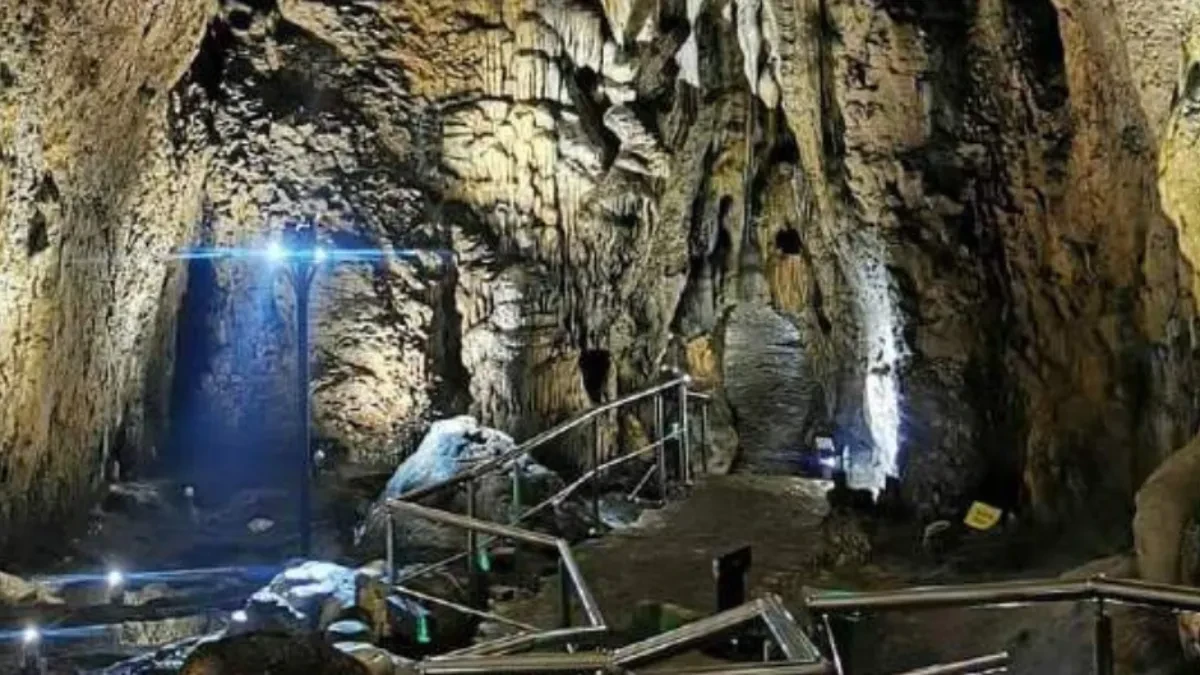
Hadži Prodanova Cave in western Serbia, formerly known as Šljepaja or Rašćanska pećina and named after the voivode Hadži Prodan Gligorijević, is described across the media spectrum as an important natural and archaeological site. Both opposition and pro-government outlets emphasize that researchers have identified around 25 species of cave-dwelling animals there, including rare and previously unknown species, and that the cave contains remains linked to Neanderthals and cave bears, with quartz crystals dated to the Neanderthal period, making it a key Paleolithic site in the Balkans.
Reporting from both sides situates the cave within Serbia’s broader natural and cultural heritage, noting its role in the First Serbian Uprising as a refuge where Hadži Prodan sheltered people, and highlighting the restored church he built near or within the cave complex. They present scientific institutions and speleological teams as central to documenting the site’s paleontological and archaeological value, and agree that the cave exemplifies the potential of Serbia’s protected natural areas to contribute to research, education, and heritage tourism if properly managed.
Areas of disagreement
Framing of significance. Opposition-aligned sources tend to frame Hadži Prodanova Cave as one of many under-recognized sites whose scientific importance contrasts with limited, inconsistent state support, suggesting that its rare fauna and Neanderthal traces highlight systemic neglect of science and conservation. Pro-government outlets, in contrast, present the cave as a “natural jewel” and “true gem” that showcases the country’s achievements, emphasizing discoveries of 25 species, quartz crystals, and cave-bear remains as proof that Serbia is investing in and valorizing its heritage. While opposition coverage stresses what is missing in terms of policy, funding, and planning, pro-government coverage stresses national pride and the cave’s promotional value for Serbia’s image.
State role and institutions. Opposition media typically underline gaps between the cave’s scientific importance and the resources allocated by relevant ministries, casting the state as slow, reactive, or more focused on imagery than on long-term conservation frameworks. Pro-government media, however, stress cooperation between scientists, local authorities, and cultural institutions, implicitly crediting the current government for enabling research, restoration of the church, and better presentation of the site. The former often invoke comparative examples of better-managed caves abroad, while the latter highlight ongoing projects and institutional presence as signs that Serbia is moving in the right direction.
Tourism versus protection. Opposition outlets, where they comment on development, tend to warn against an unbalanced push for tourism around Hadži Prodanova Cave, arguing that a focus on visitors and branding could threaten rare cave fauna and fragile Paleolithic layers if not tightly regulated. Pro-government sources usually present tourism and protection as complementary, stressing the cave’s potential to attract visitors, boost the local economy, and deepen public awareness of national history without dwelling on ecological risks. In opposition narratives, the priority is binding conservation plans and scientific oversight; in pro-government narratives, the priority is packaging the cave as a flagship destination that illustrates successful blending of nature, history, and development.
Historical and symbolic narrative. Opposition-aligned reporting is more inclined to use the cave’s link to the First Serbian Uprising and Hadži Prodan’s refuge as a lens on contested national memory, sometimes questioning how selectively authorities celebrate episodes of resistance. Pro-government coverage, by contrast, folds these historical references into a patriotic storyline, stressing the heroism of Hadži Prodan, the restored church, and the continuity between past struggles and present-day state-building. While opposition outlets may question whether this symbolism masks unresolved issues in heritage policy, pro-government media treat it as a unifying narrative that strengthens identification with the site.
In summary, opposition coverage tends to use Hadži Prodanova Cave as an example of underfunded yet scientifically crucial heritage that needs stricter protection and less politicized promotion, while pro-government coverage tends to present it as a well-managed national treasure that confirms the state’s success in combining scientific discovery, tourism, and patriotic historical storytelling.
Write a comment