Serbia Intensifies Police Checks on Trains
Serbia Intensifies Police Checks on Trains
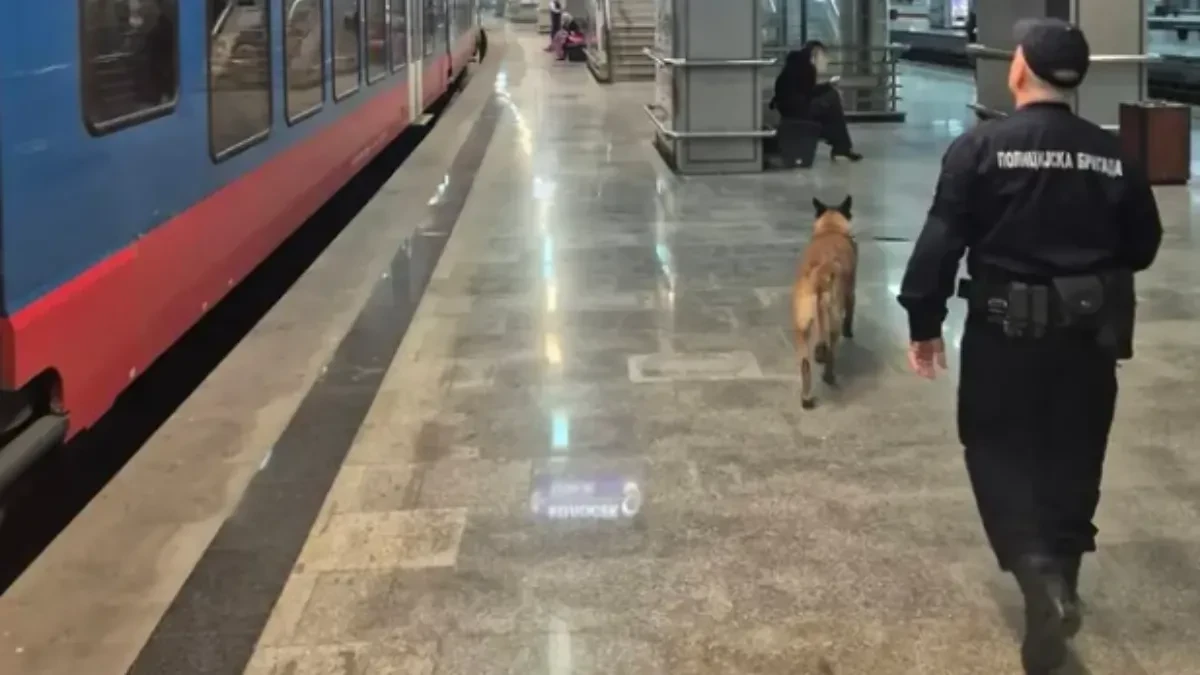
Serbian police have intensified security checks on passenger trains and at railway stations across the country, focusing on trains, station premises, travelers, and their luggage. According to official announcements highlighted by pro-government media, the operation is nationwide and involves a visibly increased police presence intended to deter illegal activities and improve passenger safety. The measures are framed as coordinated, time-bound security actions rather than ad hoc checks, with authorities emphasizing that the goal is to ensure a safer travel experience for all rail users.
Both sides agree that the move is formally tied to international cooperation frameworks in railway security, specifically the RAILPOL operation, which coordinates safety measures across participating countries’ rail networks. Coverage converges on the idea that Serbia’s Ministry of Internal Affairs is the central implementing institution, using standard policing tools such as identity checks, baggage inspections, and patrols in and around stations. There is shared acknowledgment that rail security is a longstanding concern linked to broader efforts to prevent crime and ensure public safety on critical transport infrastructure, rather than a completely new policy direction.
Areas of disagreement
Stated motives and underlying agenda. Opposition-aligned sources tend to interpret the intensified checks as politically timed, suggesting they may be used to project an image of control or to distract from domestic issues such as corruption or unresolved violent incidents. Pro-government outlets emphasize the official explanation that the action stems from Serbia’s participation in the international RAILPOL operation and routine efforts to improve public safety. While opposition narratives frame the move as potentially performative or selective, pro-government media present it as a technical, professional measure driven by security assessments and international obligations.
Scope and impact on citizens. Opposition sources typically stress the potential for arbitrariness, inconvenience, and profiling of specific groups such as migrants, youth, or political activists, warning that ordinary passengers might experience the checks as intrusive. Pro-government coverage instead highlights reassurance, arguing that most citizens welcome visible security and that the increased presence will reduce theft, vandalism, and other crimes on trains and in stations. Where opposition outlets question whether the benefits justify the level of control and possible rights concerns, pro-government narratives treat any short-term discomfort as a minor trade-off for enhanced safety.
Trust in institutions and accountability. Opposition reporting generally approaches the Interior Ministry and police with skepticism, pointing to past abuses, lack of transparency, or ineffective investigations as reasons to doubt that intensified controls will be fair or properly monitored. Pro-government media underscore the professionalism of law enforcement, stressing that officers are acting within legal mandates and under clear operational guidelines. Thus, opposition voices call for stronger independent oversight and detailed public reporting on how checks are carried out, while pro-government outlets assume institutional good faith and focus on supporting the police.
Security framing and regional context. Opposition-aligned commentators are more likely to question whether Serbia is aligning with broader European security trends that prioritize control over civil liberties, and may link the operation to a climate of securitization affecting migrants and marginalized groups along Balkan routes. Pro-government sources place Serbia’s participation in RAILPOL within a positive narrative of regional and European cooperation, portraying it as evidence that the country is a responsible partner in combating cross-border crime. As opposition pieces warn about importing heavy-handed security practices without adequate safeguards, pro-government coverage stresses harmonization with European standards as an unquestioned sign of progress.
In summary, opposition coverage tends to scrutinize the political timing, civil-liberties implications, and institutional credibility surrounding the intensified train checks, while pro-government coverage tends to normalize the measures as routine, internationally coordinated policing that enhances everyday safety and showcases Serbia’s responsible law-enforcement standards.
Write a comment