Strahinja Pavlović Misses Another Milan Match With Injury
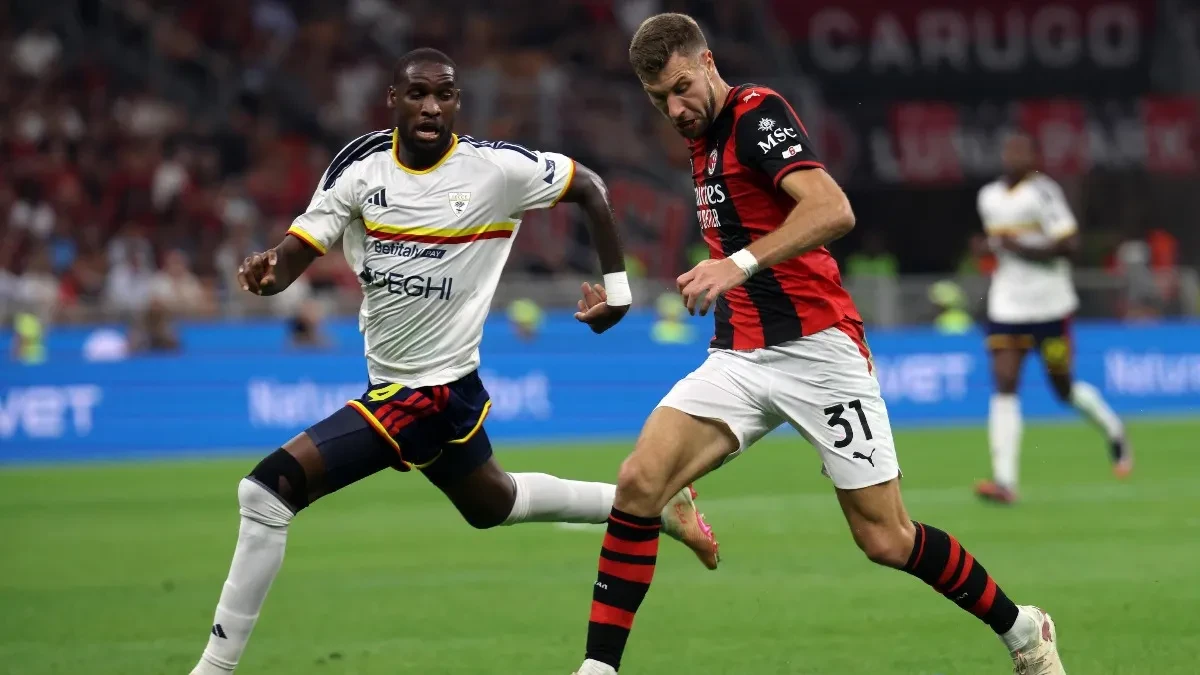
Strahinja Pavlović Misses Another Milan Match With Injury
Serbian defender Strahinja Pavlović is reported across the media spectrum to be missing another match for Milan, this time the away game against Genoa, due to persistent cramp-related injury problems. Both sides agree that this is his second consecutive absence, following Milan’s recent Europa League defeat to Ferencváros, and that coach Veljko Paunović faces a selection problem in central defense as a result. Coverage also converges on the basic timeline and setting: the missed Europa League fixture was followed quickly by the domestic league trip to Genoa, and Pavlović’s condition has not improved sufficiently for medical staff to clear him to play.
There is shared acknowledgment that Pavlović, despite the injury, remains on Serbia’s national team roster for the upcoming international window, with matches scheduled against strong opposition such as Germany and Greece. Both opposition and pro-government outlets frame his national team status as a potential complication for both Milan and the Serbian Football Association, noting that his club form and fitness at Milan are closely watched in Belgrade. They also agree that his situation illustrates the broader tension between club and country over player workload and recovery times, underscoring how elite fixtures in European competition and domestic leagues can strain even well-conditioned athletes.
Areas of disagreement
Significance for Milan’s season. Opposition-aligned outlets tend to frame Pavlović’s absence as symptomatic of Milan’s fragile squad depth and question whether the club planned adequately for injuries in key positions. Pro-government sources, by contrast, emphasize that this is a short-term setback and stress Paunović’s ability to rotate and adapt tactically. While opposition pieces highlight the risk of dropped points and an early narrative of crisis, pro-government coverage downplays long-term damage and presents the situation as a manageable, routine fitness issue.
Responsibility and medical handling. Opposition sources are more likely to question Milan’s medical staff and workload management, suggesting that returning Pavlović too quickly before full recovery from earlier issues may have contributed to recurring cramps. Pro-government outlets generally avoid blame and instead attribute the problem to normal fatigue from a congested calendar, portraying the club’s handling as cautious and professional. Where opposition narratives hint at structural problems in conditioning and recovery protocols, pro-government reports frame the rest as precautionary and evidence of responsible care.
Impact on the Serbian national team. Opposition-aligned coverage tends to stress the risk that Serbia could receive an undercooked or half-fit Pavlović for the Germany and Greece fixtures, sometimes implying that Milan might prioritize its own interests at the expense of the national side. Pro-government media are more inclined to assure readers that coordination between Milan and the Serbian federation will ensure he is only used if fully ready, portraying his continued presence on the roster as a sign of confidence rather than recklessness. The former paints international ambitions as jeopardized by club-level mismanagement, while the latter sees a normal, cooperative balancing of club and country priorities.
Broader narrative about Serbian players abroad. Opposition coverage often weaves Pavlović’s situation into a larger story about Serbian talents facing instability or overuse at big European clubs, suggesting systemic neglect of long-term player welfare. Pro-government outlets instead highlight that injuries like this are a routine part of high-level football and argue that his move and playing time at Milan validate Serbia’s development pathways. Thus, opposition pieces use his absence to question how foreign clubs treat Serbian internationals, whereas pro-government reports use the same episode to reinforce a narrative of successful integration into elite European football.
In summary, opposition coverage tends to magnify Pavlović’s absence as evidence of deeper structural and management problems for both Milan and the handling of Serbian internationals, while pro-government coverage tends to normalize the injury as a routine setback, emphasize institutional competence, and protect broader narratives of Serbian football success abroad.
Write a comment