Six Arrested in Inđija Public Procurement Investigation
Six Arrested in Inđija Public Procurement Investigation
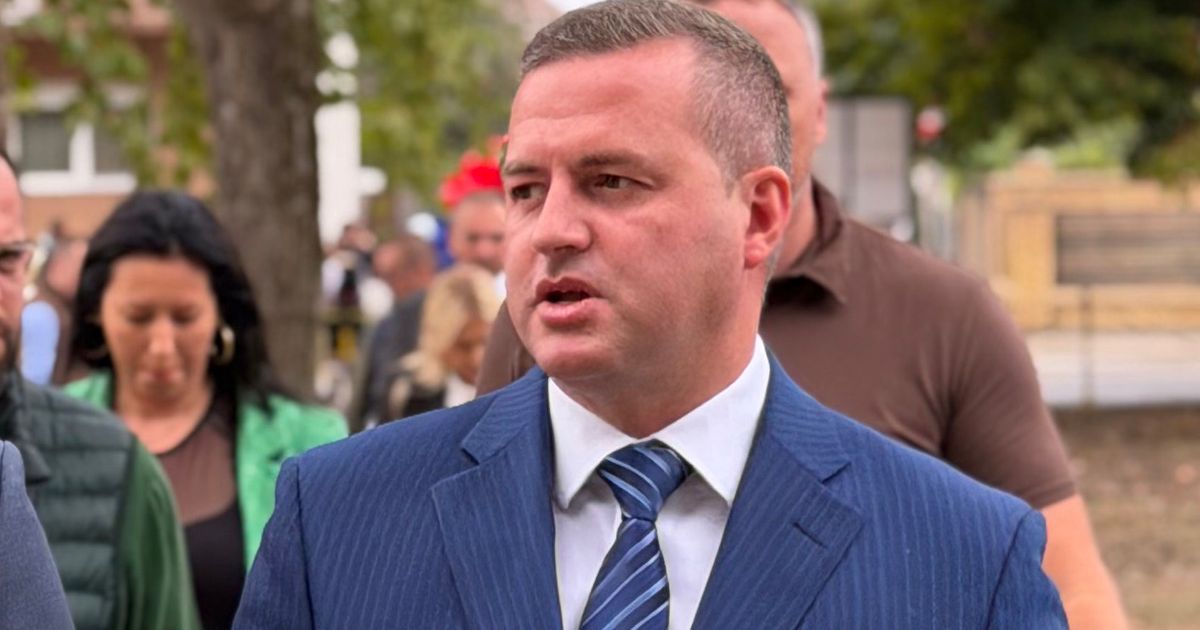
Six people, including the president of the Municipality of Inđija, Marko Gašić, have been arrested as part of a criminal investigation into alleged abuses in public procurement for road marking and traffic signalization services in Inđija. Both opposition and pro-government outlets report that the action was coordinated by the Criminal Police Directorate and the Higher Public Prosecutor’s Office in Novi Sad, that one additional suspect is being sought, and that the core allegation is manipulation of tenders so a preselected bidder received contracts. All sides agree that payments of about 26–27 million dinars were allegedly made from the municipal public company “Inđija put” for works that were either not performed or only partially performed, and that the suspects face accusations of abuse of official position, aiding in abuse of office, and money laundering.
Across the spectrum, coverage situates the case within Serbia’s broader framework of public procurement rules and oversight by the police, the prosecution, and the Ministry of Internal Affairs. Both sides reference the institutional roles of the municipality of Inđija, the public company “Inđija put,” and the Higher Public Prosecutor’s Office in Novi Sad as key actors in either enabling or investigating the alleged scheme. There is shared emphasis that detention measures of up to 48 hours have been ordered as a standard procedural step while evidence is gathered, expert evaluations are conducted, and potential indictments are prepared, and that the case fits into a pattern of scrutiny over how local governments handle infrastructure and traffic-related contracts.
Areas of disagreement
Framing of political responsibility. Opposition-aligned outlets spotlight that Gašić is an SNS official and sitting municipal president, framing the affair as symptomatic of ruling-party control over public companies and tenders, and they revisit his previous controversies to suggest a longer pattern of misconduct. Pro-government outlets do name his function and party but tend to downplay the party angle, casting the case instead as an individual or small-group abuse being properly addressed by institutions. The former implies systemic political responsibility of the SNS network, while the latter stresses that the investigation itself proves political will to fight corruption regardless of affiliation.
Characterization of the alleged crime. Opposition coverage emphasizes “rigged tenders” and “unperformed works” as deliberate fraud, stressing that contracts were allegedly pre-arranged and that road signaling was never executed, thereby portraying the conduct as straightforward theft of public money. Pro-government outlets use similar facts but slightly softer or more procedural language, speaking of “suspicion,” “alleged damage,” and “27 million paid for unfinished work,” and highlight that expert findings and court proceedings are still pending. This creates a contrast between an opposition narrative of already-proven corruption and a pro-government narrative of serious but as-yet-unproven allegations under judicial review.
Systemic implications and institutional credibility. Opposition media use the case to question the integrity of public procurement under SNS rule, arguing that such schemes are enabled by captured institutions and that investigations typically begin only when scandals become unavoidable. Pro-government outlets stress the operation as a “major action” by the prosecution and police, presenting it as evidence that institutions are functional and proactive in uncovering wrongdoing in local governments. Thus, opposition coverage suggests a deep, systemic governance failure, whereas pro-government coverage presents the same events as reinforcing institutional credibility.
Portrayal of Gašić’s background and public image. Opposition sources delve into Gašić’s biography to underline previous probes and public incidents, such as earlier detentions and the student accommodation controversy, painting him as a repeat figure in scandals tied to SNS governance. Pro-government outlets also recount his prior public exposure but more as background color, sometimes sensational in tone (“27 million for smoke”) yet still folded into a narrative where the state is now correcting his alleged misdeeds. The result is that opposition media treat his history as proof of entrenched impunity, while pro-government media depict it as part of a story in which problematic officials are eventually held to account.
In summary, opposition coverage tends to frame the Inđija arrests as clear evidence of systemic SNS-linked corruption and institutional capture, while pro-government coverage tends to depict them as a demonstration that state bodies are actively and impartially tackling isolated abuses within the system.
Write a comment