Goalkeeper Jesús Ovono Seeks Meeting With Deceased Player’s Family
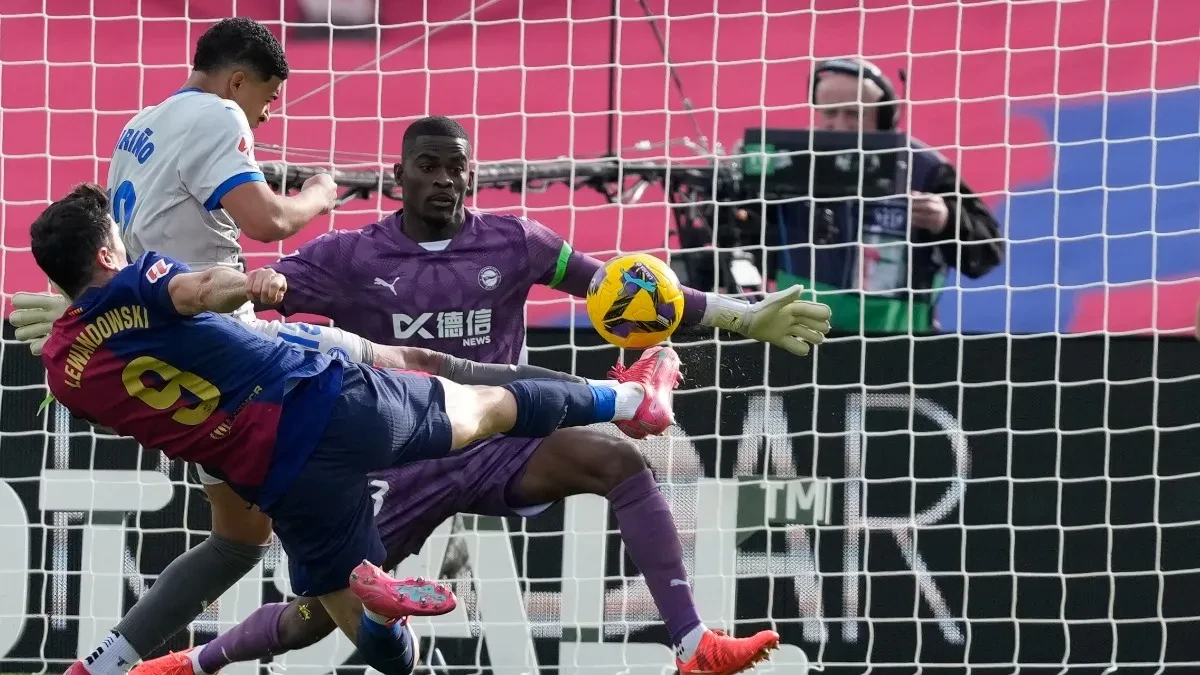
Goalkeeper Jesús Ovono Seeks Meeting With Deceased Player’s Family
Andorran club goalkeeper Jesús Ovono is reported to have asked his team to facilitate contact with the family of Jesús de Miguel, a footballer who died after a collision with Ovono during a match. Across coverage, it is agreed that the incident occurred on the pitch during regular play, that de Miguel’s death followed the clash rather than being immediate, and that Ovono has not yet returned to training in the aftermath. Reports concur that Ovono is open to reaching out by email, phone, or in person, and that he has been receiving psychological and emotional support from his family, his teammates, the club structure, and club owner Gerard Piqué.
Shared context in the reporting emphasizes that this is a tragic sporting accident within professional football, not an off-field incident, and that both the player’s death and Ovono’s reaction are being mediated through club institutions, medical staff, and formal communications channels. There is broad agreement that Spanish media coverage of the case has amplified questions about Ovono’s future, including the possibility he may retire, and that any such decision will depend on his emotional recovery and consultations with professionals. Both sides accept that formal investigations or disciplinary processes, if any, would proceed under existing league and federation rules, and that for now the focus is on mourning, player welfare, and how the club manages a highly sensitive situation.
Areas of disagreement
Moral responsibility and tone. Opposition-aligned outlets typically stress the gravity of the collision and may frame Ovono’s outreach as a necessary act of moral responsibility, scrutinizing whether it comes soon enough and whether the club is trying to protect its asset. Pro-government sources instead underline that the clash was an unfortunate but routine football incident with no malicious intent, portraying Ovono as a distressed professional seeking humane contact with the bereaved family. Where opposition coverage might highlight unanswered questions about on-field conduct and safety protocols, pro-government narratives tend to soften the tone and focus on empathy for Ovono’s suffering alongside that of de Miguel’s relatives.
Role of the club and authorities. Opposition media are inclined to question whether the club and football authorities reacted promptly and transparently, asking if risk management, medical response, and communication fell short and if institutional failures contributed to the tragedy’s severity. Pro-government outlets emphasize that the club has been proactive in supporting Ovono psychologically, coordinating possible contact with the family, and working within official channels, presenting this as proof of institutional responsibility. While critics call for stricter oversight and clearer accountability from governing bodies, supportive coverage highlights existing procedures and the club’s visible backing from high-profile figures like Gerard Piqué as evidence that the system is functioning.
Framing of Ovono’s future. Opposition-aligned reporting is more likely to dwell on the possibility that Ovono could end his career, framing it as a consequence of both emotional trauma and intense public scrutiny, and sometimes suggesting that reputational damage might be permanent. Pro-government sources acknowledge that he is considering his future but describe retirement as only one of several options, stressing that no final decision has been taken and that he should be allowed time and privacy. The former can interpret the career doubt as a symptom of broader systemic pressures on players after serious incidents, while the latter frame it as a deeply personal struggle that warrants compassion rather than public debate.
Public communication and media narrative. Opposition outlets tend to criticize what they see as a controlled narrative shaped by the club and friendly media, questioning whether Ovono’s desire to meet the family is being used as a public-relations tool to mitigate backlash. Pro-government coverage presents the same outreach as a sincere human gesture emerging from personal remorse and grief, and often treats Spanish media speculation as intrusive or sensationalistic. Where opposition voices argue for more independent investigation and less spin, pro-government voices defend the current media line as respectful and measured toward all parties.
In summary, opposition coverage tends to foreground questions of moral and institutional responsibility, emphasizing scrutiny, structural failings, and the potential long-term fallout for Ovono, while pro-government coverage tends to stress the accidental nature of the incident, highlight institutional support and Ovono’s human anguish, and urge empathy and restraint regarding his future.
Write a comment