Air Serbia Denies Boarding to Montenegrin Football Fans
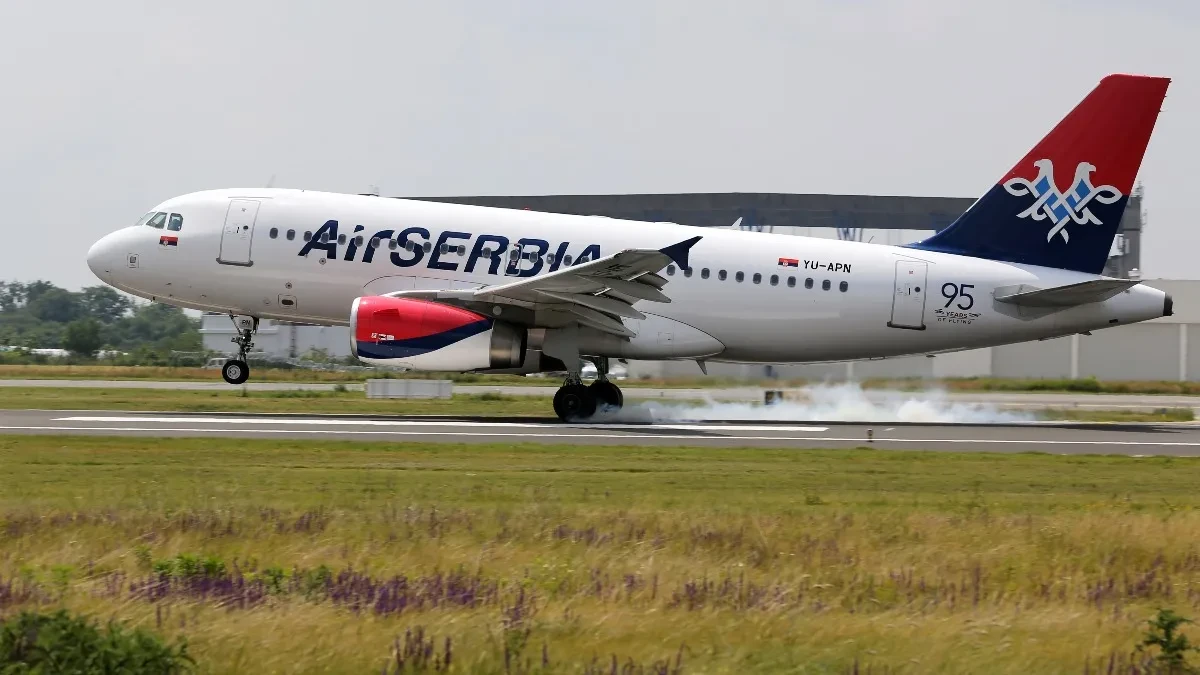
Air Serbia Denies Boarding to Montenegrin Football Fans
A group of roughly 20–30 Montenegrin football fans traveling via Belgrade’s Nikola Tesla Airport to Larnaca, Cyprus, for a national team match were denied boarding on Air Serbia flight JU486. Both opposition and pro-government outlets agree that the decision was formally taken by the captain after crew reports, that it was justified by the airline as a safety measure, and that the key cited factor was the group’s behavior at the gate, including possible alcohol consumption and concern about its impact on flight safety. Both sides report that the affected passengers held Montenegrin passports, that they were ultimately sent back from Belgrade without being allowed on the onward flight, and that the fans incurred financial losses due to missed connections and prepaid accommodation.
Coverage across the spectrum notes that Air Serbia framed the move as grounded in international aviation rules that give the captain final authority over who can be carried if there are perceived safety risks. Outlets on both sides mention that the airline emphasized adherence to security procedures and insisted that decisions were based on safety criteria rather than personal characteristics such as nationality. It is also broadly acknowledged that some fans admit alcohol was consumed by at least part of the group, though they insist it did not lead to disruptive behavior. Both opposition and pro-government reports situate the incident in the wider context of heightened scrutiny over football fans’ conduct and airlines’ liability for in-flight disturbances.
Areas of disagreement
Motives and characterization of the incident. Opposition outlets frame the situation as a troubling episode that may involve unjustified discrimination against Montenegrin citizens, emphasizing the fans’ claims that no concrete offense was cited and that all with Montenegrin passports were turned away en bloc. Pro-government outlets instead stress Air Serbia’s narrative of routine safety enforcement, presenting the captain’s decision as a textbook application of aviation rules rather than a politically tinged act. While opposition sources highlight the emotional impact and describe the fans’ sense of humiliation, pro-government reports lean on the language of “serious incident” mainly to underscore potential risk, not wrongdoing by the airline.
Evidence of misbehavior and alcohol use. Opposition-aligned coverage foregrounds the fans’ insistence that any drinking was moderate, non-disruptive, and limited to a few individuals, arguing that no formal warnings, police reports, or documented violations were presented. Pro-government outlets repeatedly cite “possible alcohol consumption” and “behavior at the gate” as sufficient for a preventive safety measure, implicitly endorsing the airline’s lower threshold for intervention. In contrast to the opposition’s demand for concrete proof of misconduct, pro-government pieces largely treat the crew’s assessment itself as adequate evidence.
Attribution of responsibility and accountability. Opposition media tend to question the proportionality of the captain’s decision and imply that Air Serbia and associated security services bear responsibility for collective punishment of an entire group. They give more space to fans’ testimonies about being denied boarding purely because of their passports and about not being offered meaningful recourse or compensation. Pro-government outlets, by contrast, present responsibility as lying primarily with the passengers whose conduct allegedly triggered concern, framing the airline’s role as fulfilling a duty of care to other travelers.
Political and regional subtext. Opposition coverage hints that the incident fits a pattern of strained relations and unequal treatment of Montenegrin citizens in Serbian-controlled institutions, suggesting a deeper political or regional bias behind the decision. Pro-government sources either omit such framing or explicitly underline that Air Serbia based its move solely on safety and not on nationality, thus rejecting any implication of ethnic or political discrimination. Where opposition outlets embed the story within broader narratives of institutional arrogance and power imbalance, pro-government outlets keep the focus tightly on operational safety and regulatory compliance.
In summary, opposition coverage tends to question the justification, highlight possible discrimination, and press for accountability from Air Serbia, while pro-government coverage tends to accept the airline’s safety rationale, emphasize the captain’s legal authority, and place responsibility on the fans’ alleged behavior.
Write a comment