Nestorović Describes Critical Hospitalization and Intubation
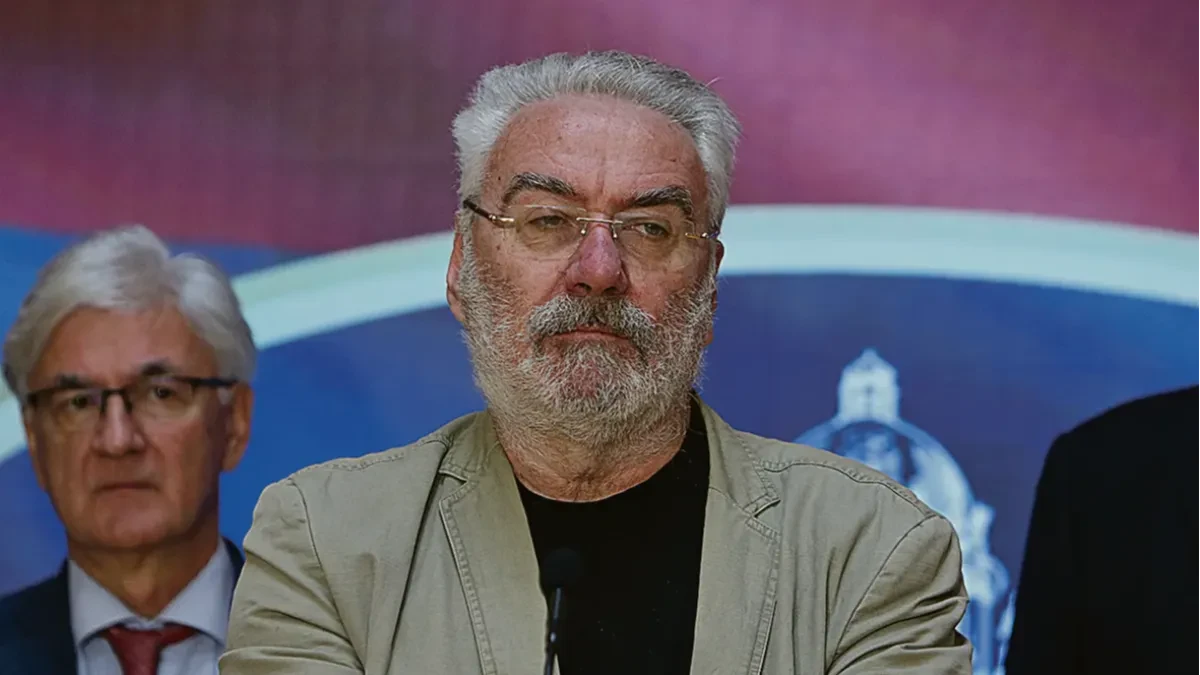
Nestorović Describes Critical Hospitalization and Intubation
Branimir Nestorović, a well‑known doctor and politician in Serbia, recently described a severe health crisis in which he was hospitalized for more than a month and spent 48 hours in a life‑threatening condition that required intubation. Across outlets, it is reported that he lost a substantial amount of weight, had such profound muscle weakness that he had to relearn how to walk, and openly spoke about being “on the edge” before his condition stabilized and he began a slow recovery. All sides highlight that this is not his first serious health episode, that the critical period lasted several days with two particularly difficult days under mechanical ventilation, and that he has now been discharged and is speaking publicly about the experience.
Media consistently place this episode within the broader context of his dual role as a public health figure and controversial political actor, noting that his medical career and previous media presence made his sudden disappearance and later reappearance highly visible. They agree that the experience forced him to reassess his priorities, that friends and colleagues advised him to leave politics because he is financially secure and professionally established, and that rumors circulated in the public sphere about possible poisoning, which he referenced while focusing mainly on the medical course of his illness and convalescence.
Areas of disagreement
Framing of the illness and causes. Opposition‑aligned sources tend to cast more doubt on the official medical framing of Nestorović’s condition, more readily entertaining or at least amplifying speculation that there might be political motives or suspicious circumstances behind his sudden deterioration. Pro‑government outlets, by contrast, frame the illness as a purely medical episode, emphasizing clinical details like intubation, rehabilitation, and prior health vulnerabilities, and either downplaying or treating poisoning rumors as unfounded gossip that Nestorović himself brushes aside.
Political implications. Opposition media are more likely to interpret his hospitalization through a political lens, suggesting that his health crisis could reshape his political influence, raise questions about pressures on controversial figures, or expose fractures within the ruling ecosystem around him. Pro‑government outlets emphasize his personal resilience and depict any potential withdrawal from politics as a voluntary, rational life choice, avoiding suggestions that his illness reflects systemic political tensions or risks faced by dissident insiders.
Portrayal of Nestorović’s public role. Opposition sources tend to highlight his past controversial statements and perceived closeness to the authorities, using the health story as a moment to revisit critical assessments of his role in public health debates and politics. Pro‑government media instead stress his professional credentials, long medical career, and status as a respected expert, turning the narrative into one of a seasoned doctor‑politician bravely overcoming a medical ordeal rather than a polarizing figure under scrutiny.
Handling of rumors and public speculation. Opposition coverage is more inclined to foreground the fact that “many things were said,” giving more oxygen to claims of poisoning or foul play and using them to hint at opacity or mistrust in official narratives. Pro‑government coverage mentions these rumors mainly to dismiss them, presenting Nestorović’s own comments as clarifying that gossip got out of hand, and steering the story back to his recovery, gratitude to medical staff, and a more apolitical message about health and lifestyle changes.
In summary, opposition coverage tends to treat Nestorović’s hospitalization as politically charged, a lens on the risks, rumors, and power struggles surrounding controversial public figures, while pro-government coverage tends to focus on the strictly medical drama, casting him as a respected professional who survived a grave illness and is now thoughtfully reconsidering his public engagement.
Write a comment