Ostoja Mijailović Nears Purchase of FK Čukarički
Ostoja Mijailović Nears Purchase of FK Čukarički
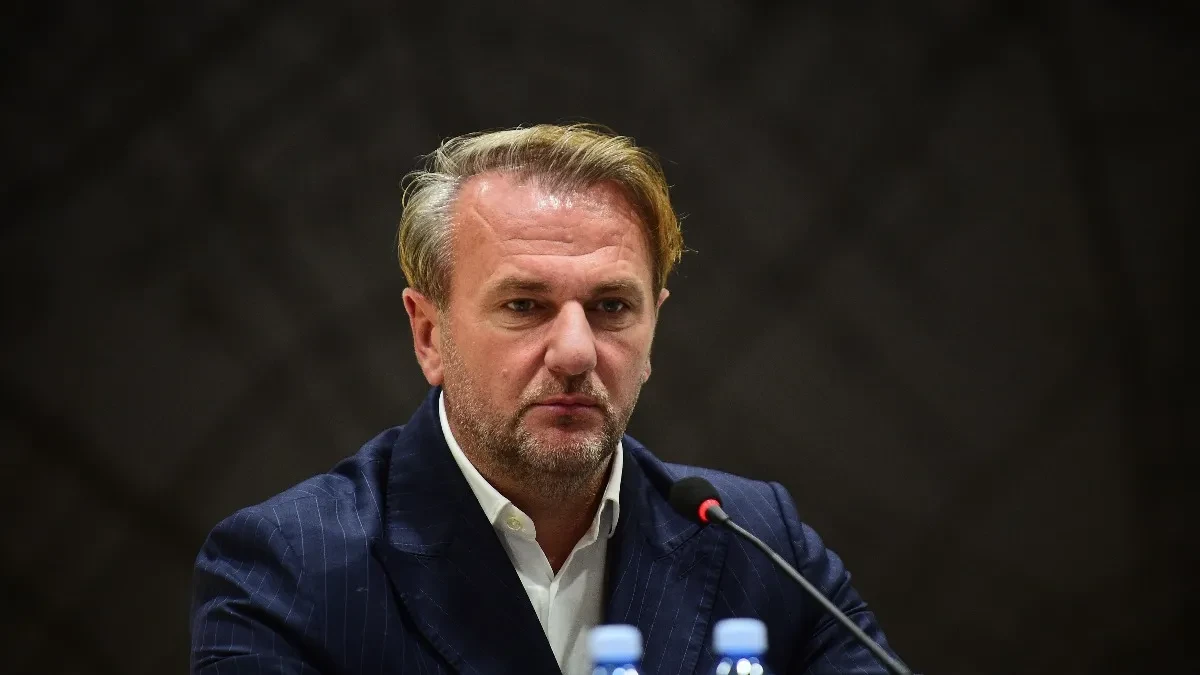
Ostoja Mijailović, current president of basketball club KK Partizan, is reported to be nearing the purchase of Serbian football club FK Čukarički from current owner Dragan Obradović, who reportedly holds 100% of the club’s shares. The club’s sporting director, Vladimir Matijašević, has publicly confirmed that an agreement has been reached in principle and that the deal is in its final stages, with formal completion expected in December or possibly early next year; during this transition, existing club staff and sports structures are expected to remain in place. Pro-government and opposition-leaning outlets alike report that Mijailović intends to prioritize development of the club’s football school, improve infrastructure and facilities, and ensure continuity in sporting operations rather than a radical overhaul from day one.
Across the spectrum, media describe FK Čukarički as a relatively stable, privately owned SuperLiga club that has become known for youth development and periodic qualification for European competitions, making it an attractive project for an ambitious investor. Coverage consistently notes that Mijailović’s tenure at KK Partizan is cited as a key part of the rationale for the takeover, portraying him as a figure with experience in revitalizing a major sports institution and navigating complex finances and fan expectations. Both sides also emphasize that the transaction fits a wider pattern of private capital and politically connected business figures taking over Serbian clubs, and that any change in ownership at Čukarički could have implications for the competitive balance in domestic football, the development pathway for young players, and the club’s ability to challenge more established teams.
Areas of disagreement
Motives and political ties. Opposition-aligned sources tend to frame Mijailović’s move as less about football strategy and more about expanding a political-business network around the ruling structure, questioning whether sports is being used as a vehicle for influence and public relations. Pro-government outlets, by contrast, largely present his motives as driven by sporting ambition and a desire to invest in youth development and infrastructure, and either downplay or do not mention any partisan or oligarchic angle. Opposition coverage is more likely to suggest that his Partizan presidency and this purchase reflect broader patterns of power consolidation, whereas pro-government media depict the same biography as evidence of proven leadership and vision.
Impact on competition and integrity. Opposition reporting tends to warn that another club ending up under a politically connected owner could distort competitive balance in Serbian football, raising concerns about refereeing, league governance, and possible favoritism in public resources or sponsorships. Pro-government outlets instead emphasize stability, professionalism, and “security” for Čukarički, arguing that Mijailović’s track record suggests more disciplined management, better facilities, and stronger squads without undermining fairness. Where opposition voices speak of potential conflicts of interest and informal influence, pro-government coverage mostly avoids integrity questions and focuses on expected on-field and financial improvements.
Assessment of Mijailović’s record. Opposition-leaning media are more inclined to present his stewardship of KK Partizan as mixed, pointing to financial questions, politicization, or fan discontent as signs that his reputation may be overhyped. Pro-government coverage, in contrast, highlights a narrative of “revitalization” at Partizan, crediting him with saving the club from crisis, attracting investment, and restoring competitiveness, thereby reassuring Čukarički supporters. The same facts about Partizan’s recent trajectory are thus used differently: critics stress unresolved debts and controversies, while loyal outlets stress survival, trophies, and organizational continuity.
Characterization of the deal process. Opposition sources are prone to describe the negotiation and approval process as opaque, raising concerns about transparency of ownership structures, the role of state-backed sponsors, and possible behind-the-scenes guarantees. Pro-government media describe the deal as a straightforward agreement between Obradović and Mijailović, already “agreed on everything” and simply awaiting formalization, presenting it as normal market activity in a privatized football environment. While opposition narratives hint at deals being shaped in political backrooms, pro-government narratives emphasize legality, professionalism, and routine regulatory compliance.
In summary, opposition coverage tends to cast the near-purchase of FK Čukarički as part of a broader pattern of politically entangled takeovers that threaten competitive integrity and concentrate influence, while pro-government coverage tends to present it as a positive, market-driven move by a successful sports executive that will strengthen the club’s stability, infrastructure, and sporting prospects.
Write a comment