African Swine Fever in Knić
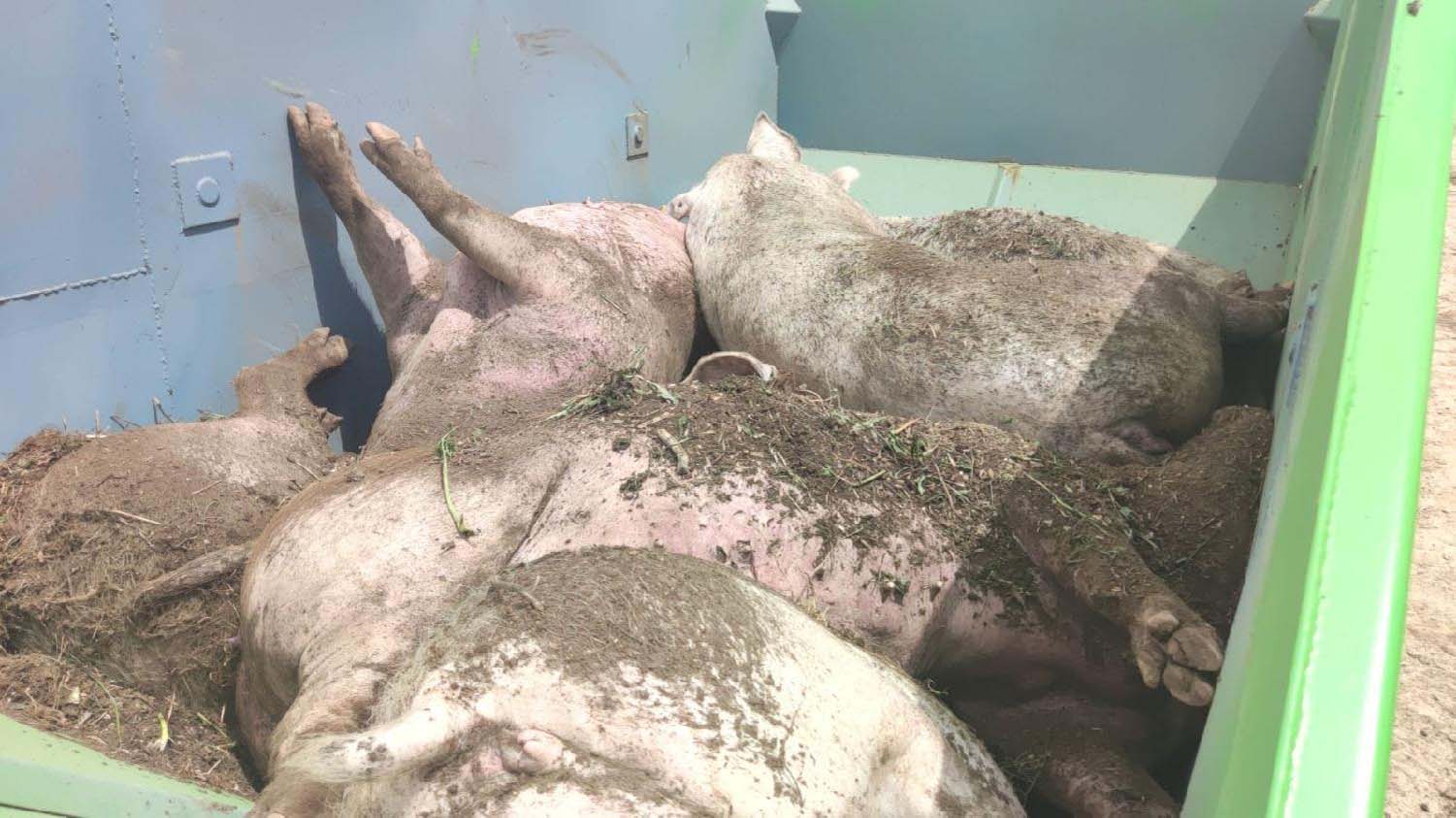
African Swine Fever in Knić
African swine fever has been confirmed in the municipality of Knić, primarily in the village of Brnjica and several surrounding villages, leading to the destruction of more than 170 pigs as an emergency disease-control measure. Both opposition and pro-government outlets agree that authorities have established a three-kilometer protection zone around the infected holdings and a ten-kilometer endangered zone that extends into parts of Kragujevac, and that veterinarians and local services are monitoring the situation while identifying potential burial sites for culled animals.
Across the coverage, both sides frame the outbreak as a serious animal health issue managed through established veterinary protocols and crisis mechanisms. They agree that local and city-level institutions, including veterinary services and the City Crisis Headquarters in Kragujevac, are formally responsible for implementing containment measures, surveillance, and carcass disposal, and that these steps are aimed at preventing further spread of the virus to nearby farms and settlements.
Areas of disagreement
Tone toward authorities. Opposition-aligned outlets, while reporting the same basic measures, tend to describe them more starkly, emphasizing the scale of animal losses in Knić and implicitly questioning the sufficiency of the response. Pro-government outlets, by contrast, foreground institutional action, highlighting that the City Crisis Headquarters is active, coordinated, and prepared, portraying the situation as under control. The former leans toward a narrative of local hardship and potential risk, whereas the latter leans toward reassurance and confidence in state management.
Emphasis on risk and impact. Opposition sources focus more on the immediate damage to small farmers in affected villages, treating the culling of over 170 pigs as a significant blow and underscoring that parts of Kragujevac fall within the endangered zone. Pro-government coverage, while acknowledging the same zones and numbers, shifts emphasis to the preventive nature of the measures and to the fact that spread to Kragujevac is only a threat being proactively addressed. This produces a contrast between highlighting socio-economic impact versus highlighting containment success.
Framing of preparedness. Opposition reporting tends to present the preparation of animal burial sites as a grim necessity and a sign that more losses may follow, subtly suggesting concern about future developments. Pro-government outlets frame the same burial-site planning as evidence of readiness and orderly crisis management, stressing that competent bodies are anticipating all scenarios. Thus, what one side treats as a worrisome indicator of possible escalation, the other treats as proof of responsible governance.
In summary, opposition coverage tends to stress the severity of the outbreak and the vulnerability of local farmers, implicitly questioning whether the state has adequately protected rural communities, while pro-government coverage tends to underscore the decisiveness and organization of official bodies, casting the same measures as proof that the situation is being professionally managed and kept under control.
Write a comment