Tekstilac Eliminates Železničar in Serbian Cup
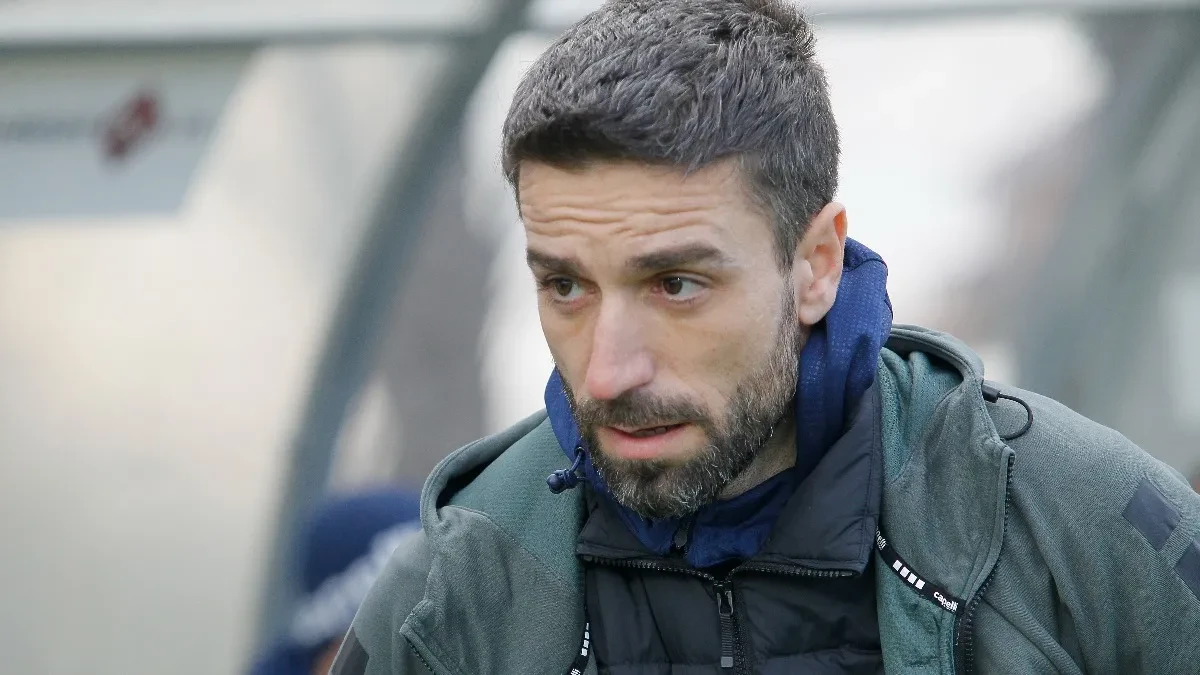
Tekstilac Eliminates Železničar in Serbian Cup
Tekstilac from Odžaci eliminated Železničar from Pančevo in the Serbian Cup after a 2:2 draw in regular time and an 8:7 overall win on penalties, earning a place in the round of 16. Reports agree that Pavle Obradović and Jovan Zogović scored for Tekstilac, while Kvaku Karikari and Abdul Jusif scored for Železničar, and that the decisive penalty series ended 6:5 in Tekstilac’s favor after all regulation attempts failed to separate the teams.
Across outlets, the match is situated within the broader Serbian Cup framework as one of several ties deciding entry into the round of 16, with Tekstilac framed as the less-favored side producing a cup upset against a better-known Železničar from Pančevo. Both opposition and pro-government accounts describe the result as a shock in sporting terms, emphasize the drama of the penalty shootout as the culmination of an evenly balanced 90 minutes, and note that multiple other clubs have also already secured progression, placing this game within a wider narrative of early-round surprises and opportunities for smaller teams.
Areas of disagreement
Framing of the upset. Opposition-aligned sources tend to emphasize the upset angle as part of a broader narrative about unpredictability and underdogs in Serbian football, presenting Tekstilac’s win as a pure sporting surprise with minimal embellishment. Pro-government outlets more often dramatize the match with bolder language like “shock” and highlight the emotional arc of the penalty shootout, sometimes giving the impression of a major giant-killing even though both clubs operate outside the country’s absolute top tier.
Focus on institutions and management. Opposition coverage is more likely to touch on club management, infrastructure, and uneven investment between teams, using the match to illustrate structural issues in Serbian football such as funding disparities and the development gap between provincial and larger urban clubs. Pro-government reporting generally avoids those institutional critiques and instead foregrounds individual performances and coaching decisions, treating the game as an isolated cup story rather than linking it to systemic governance or federation policies.
Political subtext. Opposition-aligned media occasionally fold the match into a subtle critique of how state and municipal resources are allocated to different sports projects, suggesting that clubs like Tekstilac and Železničar feel the downstream effects of politicized funding. Pro-government outlets strip the event of political overtones, presenting it strictly as entertainment and local pride, and rarely mention any connection between club fortunes and broader government policy or spending priorities.
Narrative of progress. Opposition sources, when they look beyond the match, may question whether surprises like Tekstilac’s victory reflect healthy competition or merely highlight chronic instability and inconsistency in club development. Pro-government coverage, by contrast, tends to present such cup shocks as evidence that the domestic game is vibrant and competitive, implying that current football structures and reforms are working because they allow smaller teams to challenge more established sides.
In summary, opposition coverage tends to situate Tekstilac’s elimination of Železničar within a wider narrative about structural inequalities and politicized sports funding, while pro-government coverage tends to frame it as a dramatic but self-contained sporting upset that showcases the competitiveness and vitality of the Serbian Cup.
Write a comment