Toxic Waste and Tax Fraud Investigation in Smederevo
Toxic Waste and Tax Fraud Investigation in Smederevo
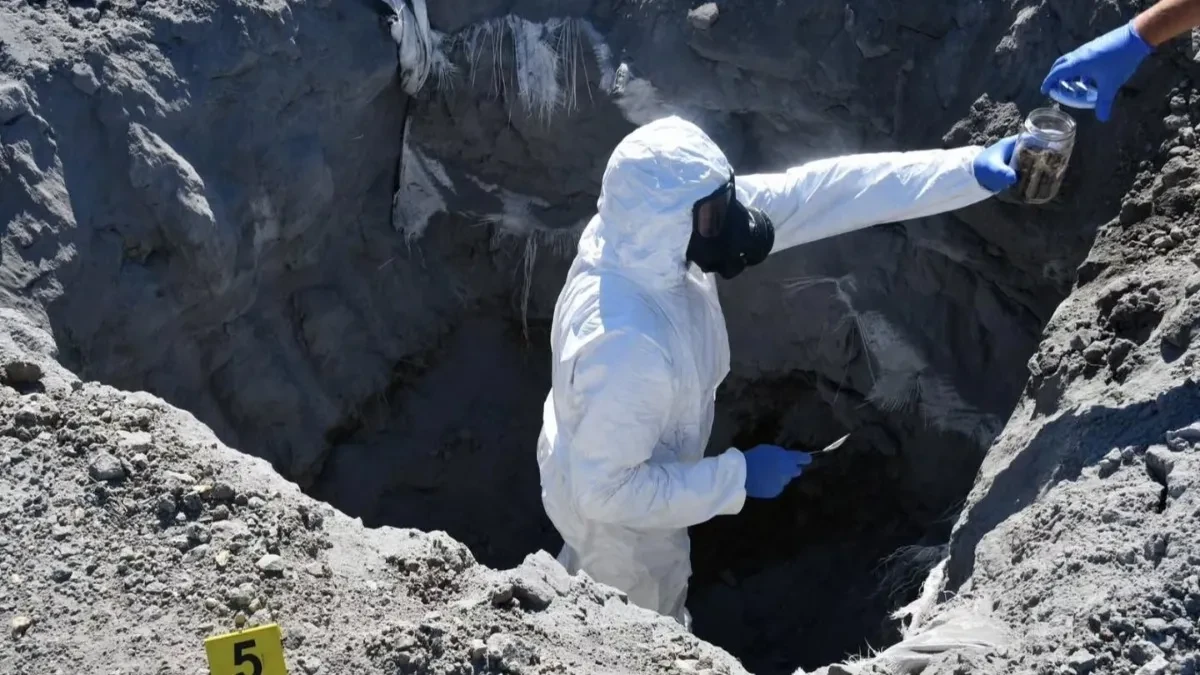
Two individuals from Smederevo, identified in pro-government reports by their initials P.U. (63) and G.M. (61), have been arrested on suspicion of tax fraud involving value-added tax and forgery of official documents, with an alleged budget damage of roughly 1.7 million dinars. Authorities also discovered large quantities of hazardous material stored or buried on company premises linked to P.U., with pro-government outlets consistently citing a total of about 280 tons of toxic or hazardous waste, including an additional 80 tons found after the initial discovery.
Across both political camps, coverage situates the case within Serbia’s broader struggle with illegal hazardous waste disposal and economic crime, referencing the role of institutions like the Ministry of Internal Affairs, the Tax Police, and the Public Prosecutor’s Office in the investigation. There is shared acknowledgement that the events in Smederevo combine environmental and financial crime aspects, that improper handling of industrial waste can have long-term ecological and public health consequences, and that the case is formally pursued as part of ongoing efforts to enforce environmental and tax regulations.
Areas of disagreement
Framing of the case. Opposition outlets are likely to frame the Smederevo operation as a belated response to systemic lawlessness in waste management and tax oversight, emphasizing failures that allowed hundreds of tons of toxic material and fraud to accumulate. Pro-government media, by contrast, foreground the efficiency of police and prosecutorial action, presenting the arrests and waste discovery as proof that institutions are functioning and that the state is actively cracking down on both environmental and financial crimes.
Political implications. Opposition-aligned sources tend to interpret the affair as symptomatic of deeper political clientelism, suggesting that only when public pressure or factional conflicts arise does the state move against well-connected business actors. Pro-government outlets usually avoid such political readings, instead depoliticizing the story as a routine law-enforcement matter and stressing that the suspects are treated simply as private individuals under investigation rather than as representatives of any political camp.
Responsibility for regulatory failure. Opposition coverage commonly highlights regulatory and inspection lapses, arguing that ministries, inspectorates, and local authorities either ignored warnings or were complicit, thus bearing significant responsibility for the toxic waste build-up. Pro-government coverage tends to minimize or omit such systemic blame, presenting the problem as primarily the result of a few unscrupulous individuals who bypassed rules, with the state’s role framed as corrective rather than culpable.
Environmental risk narrative. Opposition-leaning outlets are likely to stress the notion of an “ecological bomb” in Smederevo as evidence of a wider environmental crisis in Serbia, linking it to other pollution scandals and warning of long-term health risks to residents. Pro-government media use similarly dramatic language about an “ecological bomb” but mainly to underline the seriousness of the crime and justify the arrests, focusing less on broader patterns and more on this specific operation and the large tonnage of waste seized.
In summary, opposition coverage tends to treat the Smederevo toxic waste and tax fraud case as a window into entrenched systemic corruption, regulatory collapse, and politically shielded business interests, while pro-government coverage tends to emphasize the swift, coordinated action of state institutions against a pair of alleged offenders, portraying the incident as proof that environmental and financial crimes are being brought under control.
Write a comment