Molotov Cocktail Thrown at Voždovac Restaurant
Molotov Cocktail Thrown at Voždovac Restaurant
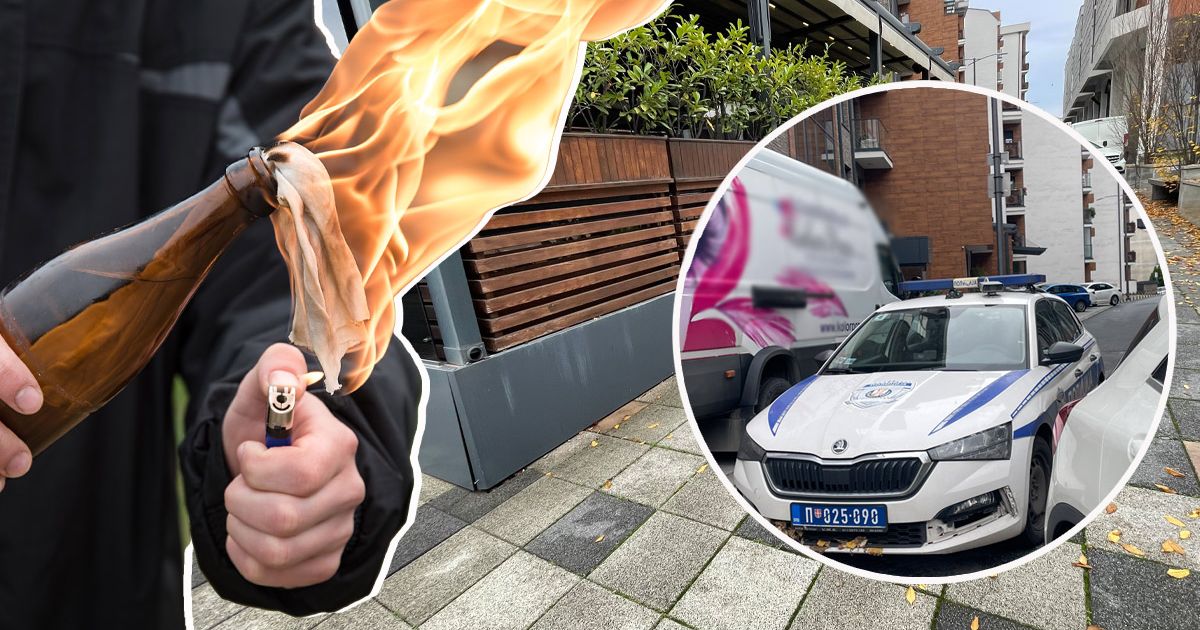
A Molotov cocktail was thrown into the garden area of a well‑known restaurant in the Belgrade municipality of Voždovac, with all sides agreeing that the incident occurred without resulting injuries. Reports concur that the bottle landed in the outdoor section of the venue, sparked only limited flames, and was quickly brought under control before causing major material damage.
Across outlets, there is agreement that the police responded promptly, secured the scene, and began collecting evidence, including security camera footage from the restaurant and surrounding area. The prosecution was informed and a formal investigation has been opened to determine the perpetrators and motives, with coverage on both sides situating the event within a pattern of isolated but serious attacks on commercial venues that require firm institutional response.
Areas of disagreement
Framing of the incident. Opposition‑aligned sources tend to frame the attack, when they cover it, as symptomatic of broader insecurity and a climate of impunity in Belgrade, often linking it to previous unsolved incidents and suggesting that citizens cannot rely on institutions for protection. Pro‑government outlets, by contrast, emphasize that this was a localized, quickly contained event, stressing that no one was hurt and that damage was minimal. While opposition media highlight the symbolic weight of an attack on a busy urban restaurant, pro‑government reporting downplays any wider societal implication and treats it primarily as a police matter.
Role and effectiveness of institutions. Opposition coverage typically questions the effectiveness of police and prosecutors, raising doubts that the investigation will lead to timely arrests and tying this skepticism to criticisms of political influence over law enforcement. Pro‑government outlets underline the speed of the response, the collection of camera footage, and the involvement of the prosecution as proof that institutions are functioning and reactive. Where opposition sources see a pattern of delayed or selective justice, pro‑government media present this case as an example of routine, professional procedure.
Possible motives and background. Opposition‑aligned media are more likely to speculate about potential links to organized crime, local racketeering, or politically connected business interests, using the attack as an entry point to discuss corruption and alleged protection networks. Pro‑government outlets either avoid speculation altogether or briefly mention that motives are unknown, insisting that any conjecture should await official findings. Thus, while opposition reporting uses the incident to question who really controls urban nightlife and business spaces, pro‑government coverage keeps the focus narrow and non‑political.
Public reassurance and political implications. Opposition sources emphasize public anxiety, suggesting that such incidents contribute to a sense of everyday insecurity and erode trust in the authorities, sometimes connecting this mood to calls for political change or institutional reform. Pro‑government media, in contrast, foreground messages of reassurance by repeating that there were no injuries, implying that citizens’ safety is not in serious jeopardy and avoiding any suggestion of systemic crisis. As opposition outlets interpret the event through a broader narrative of governance failure, pro‑government outlets resist politicizing it and portray it as an unfortunate but manageable crime.
In summary, opposition coverage tends to use the Voždovac restaurant attack as evidence of deeper security and governance problems, questioning institutional credibility and hinting at criminal or political subtexts, while pro-government coverage tends to treat it as an isolated criminal incident, highlighting the lack of injuries, the swift response of police and prosecutors, and avoiding wider political interpretations.
Write a comment