Melania Trump calls for a Russia-Ukraine truce by Christmas
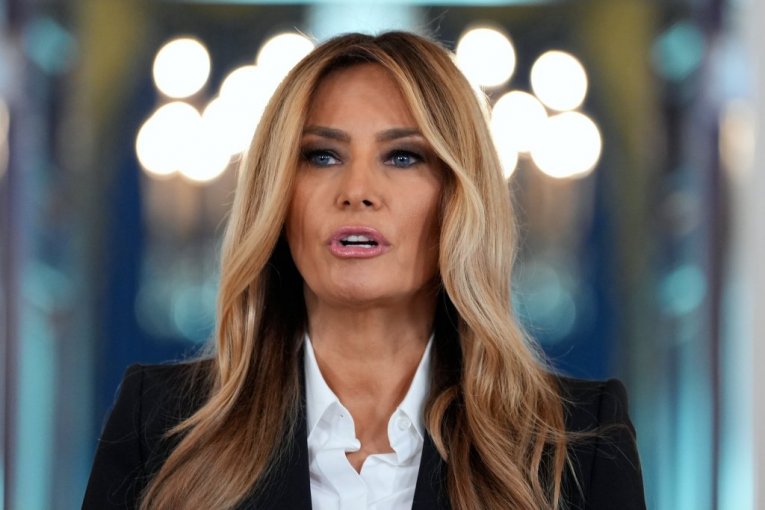
Melania Trump calls for a Russia-Ukraine truce by Christmas
Melania Trump has publicly called for a new ceasefire between Russia and Ukraine to be in place by Christmas, framing it as a humanitarian truce for the holiday period. Both opposition and pro-government outlets agree that she referred to ongoing talks involving representatives from Russia, Ukraine, and the United States, and that her comments linked these diplomatic efforts to the possibility of halting hostilities temporarily. They also converge on the factual claim that there was an earlier, localized ceasefire in the Oleshky area of Ukraine’s Kherson region, described as allowing humanitarian operations and prisoner exchanges to proceed with fewer risks from shelling and active fighting. Coverage from both sides notes that Ukrainian Ombudsman Dmytro Lubinets confirmed adherence to the terms of that earlier truce by both parties.
Across outlets, a shared context emerges that frames Melania Trump’s appeal within broader attempts to establish limited, humanitarian-focused pauses in the conflict rather than a comprehensive peace settlement. Both sides describe the prior Kherson-area ceasefire as a small but symbolically important example of how narrow agreements can be reached even amid a full-scale war, emphasizing its role in enabling aid delivery, evacuations, or exchanges. They also broadly agree that any Christmas truce, if achieved, would be temporary and contingent on negotiations among state actors and intermediaries, rather than signaling an immediate end to the war. The reports commonly situate this initiative within the larger pattern of diplomatic feelers, seasonal appeals, and confidence-building measures that have accompanied the war since its escalation, underscoring the involvement of official institutions like Ukraine’s ombudsman and unnamed U.S. diplomatic channels.
Areas of disagreement
Framing of Melania Trump’s role. Opposition-aligned coverage tends to cast Melania Trump as a symbolic or peripheral figure whose name is being leveraged for publicity, stressing that formal negotiations are driven by governments and professional diplomats. Pro-government outlets instead foreground her as an active facilitator, emphasizing that she “helped coordinate” the previous Oleshky-area ceasefire and portraying her Christmas appeal as a meaningful diplomatic intervention. Opposition sources are more likely to question whether there is verifiable evidence of her operational role beyond advocacy, whereas pro-government sources present her involvement as established fact and a continuation of behind-the-scenes humanitarian diplomacy.
Assessment of feasibility and motives. Opposition sources often frame the Christmas truce idea as highly uncertain or unrealistic, pointing to entrenched military positions, mutual distrust, and prior failures of broader ceasefires, and they may interpret the initiative as timed to generate positive media coverage for the Trumps. Pro-government coverage is more optimistic, presenting the holiday deadline as an attainable diplomatic target and underscoring goodwill and humanitarian concern as the primary motive. While opposition narratives stress the political optics and possible domestic public relations benefits, pro-government narratives stress moral urgency and portray the proposal as aligned with a broader peace-seeking posture.
Portrayal of previous ceasefire in Kherson region. Opposition-leaning reporting tends to describe the Oleshky or Kherson-area ceasefire more cautiously, sometimes suggesting it was narrow, fragile, and limited in scope, and emphasizing that it did not change the overall course of the war. Pro-government outlets highlight the same event as a clear success, frequently citing Lubinets’ confirmation that both sides complied and using it as proof that Melania Trump–linked initiatives can work. The opposition camp treats that precedent as at best a modest humanitarian corridor, whereas pro-government sources frame it as a model that strengthens the credibility of the new Christmas truce call.
Implications for broader Ukraine policy. Opposition-aligned media are more inclined to situate Melania Trump’s appeal within contentious debates over Western support to Ukraine, warning that focusing on symbolic truces can distract from structural issues like long-term security guarantees and accountability for aggression. Pro-government sources instead decouple the truce proposal from these broader policy disputes, implying that any pause in fighting is inherently positive and can later support more comprehensive negotiations. As a result, the former stresses strategic and justice-oriented concerns that might limit or condition ceasefires, while the latter emphasizes immediate humanitarian relief and the image of constructive engagement.
In summary, opposition coverage tends to downplay Melania Trump’s operational influence, question the realism and political optics of a Christmas truce, and treat earlier localized ceasefires as limited precedents, while pro-government coverage tends to amplify her role as a facilitator, present the holiday truce as a hopeful and achievable humanitarian goal, and depict past ceasefires as strong evidence that her peace-oriented initiatives can bear fruit.
Write a comment