Russian cargo ship Sparta II catches fire in Finnish waters
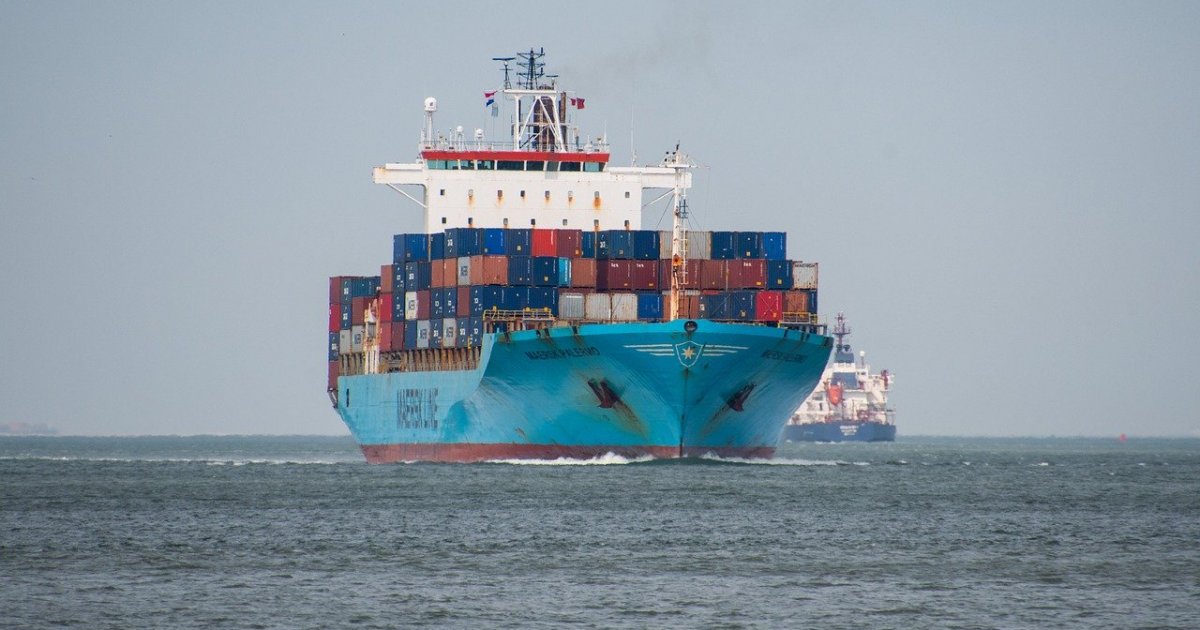
Russian cargo ship Sparta II catches fire in Finnish waters
A Russian container ship, Sparta II, caught fire in the Gulf of Finland after being struck by drones while en route to Kaliningrad and subsequently drifted or proceeded into Finnish territorial waters. Both opposition and pro-government sources agree that the incident occurred in or near the eastern part of the Gulf, involved multiple explosions and a significant onboard fire, and prompted Finnish authorities to respond quickly with coast guard and border guard vessels, temporarily restricting or tightening air and sea traffic and monitoring for pollution. They concur that the crew has remained on board, that no major environmental contamination has been detected so far, and that Finnish agencies are focused on both rescue and safety operations around the ship.
Both sides also converge on key contextual points: Sparta II is a Russian cargo or container vessel reportedly owned by a company linked to Russia’s Ministry of Defense and already under United States sanctions, and it has been previously reported as having transported military cargo or weapons. They describe the cargo on this voyage as officially unknown, with Finnish officials cited as warning about the risk of explosions or even sinking if the fire is not brought under control. Coverage from both camps frames the incident against the backdrop of heightened tensions in the Baltic and Gulf of Finland region, emphasizing Finland’s role as a NATO member responsible for managing spillover risks from the Russia–Ukraine conflict and the broader militarization of transport routes to and from Kaliningrad.
Areas of disagreement
Characterization of the attack. Opposition-aligned outlets tend to present the drone strike as a battlefield extension of the Ukraine war, often implicitly attributing the attack to Ukrainian forces and stressing that the hit occurred as the ship was approaching Finnish waters. Pro-government coverage more explicitly names Ukrainian drones as the cause and highlights that the strike took place in international waters, underscoring a narrative of Russia as a victim of Ukrainian aggression even far from the front line. While both acknowledge multiple explosions and a dangerous fire, opposition sources lean toward a factual, security-focused tone, whereas pro-government media emphasize drama and alarm in headlines to underscore a sense of external threat to Russian assets.
Location and security framing. Opposition reporting underscores that the ship entered Finnish territorial waters after the incident and stresses Helsinki’s decision to strengthen defenses and temporarily restrict air and sea traffic, framing the episode primarily as a regional security challenge for Finland and NATO. Pro-government coverage, however, foregrounds the fact that the attack itself occurred in international waters and then pivots to describe Finland’s “rapid operation” in a way that implies the main story is the danger to a Russian vessel rather than broader regional security. Opposition outlets use the incident to highlight Finland’s readiness and coordination in response to Russian-linked risks, while pro-government outlets frame Finnish actions as a necessary rescue of a Russian ship under attack and at environmental risk.
Cargo and military linkage. Opposition sources generally note the ship’s links to the Russian Ministry of Defense and its history of carrying weapons as background, but stop short of heavy speculation about the specific cargo on board, focusing instead on the safety and regulatory implications of such transports near EU and NATO waters. Pro-government outlets, by contrast, sensationalize the unknown contents, stressing that “no one knows what’s in the containers” and suggesting a heightened risk of explosion and sinking, while simultaneously underscoring the ship’s defense ties to imply it may be a legitimate military logistics target. Opposition media use the sanctions designation and defense linkage to frame the ship as part of Russia’s sanctioned military supply chain, whereas pro-government media use the same facts to portray the attack as evidence of Western-backed attempts to disrupt Russia’s legitimate maritime commerce.
Political and strategic implications. Opposition coverage tends to interpret the incident as another sign of the volatility created by Russia’s militarization of commercial shipping routes, casting the episode as justification for Finland and NATO to harden defenses and better monitor Russian transit to Kaliningrad. Pro-government coverage instead stresses the vulnerability of Russian infrastructure and highlights the danger posed by Ukrainian long-range capabilities, suggesting that hostile actions now extend into critical maritime corridors. Where opposition outlets see the incident as reinforcing the need for European coordination against Russian security risks, pro-government sources present it as proof that Russia is under siege and must protect its sanctioned assets from Western-supported attacks even in distant seas.
In summary, opposition coverage tends to frame the Sparta II incident as a security and regulatory challenge created by Russia’s militarized shipping and as a test of Finnish and NATO crisis management, while pro-government coverage tends to depict it as an aggressive Ukrainian attack on a Russian vessel in international waters, emphasizing Russian victimhood, dramatic risk, and the need to protect Russia’s sanctioned maritime logistics.
Write a comment