Jovana Jeremić marries Miloš Stojanović
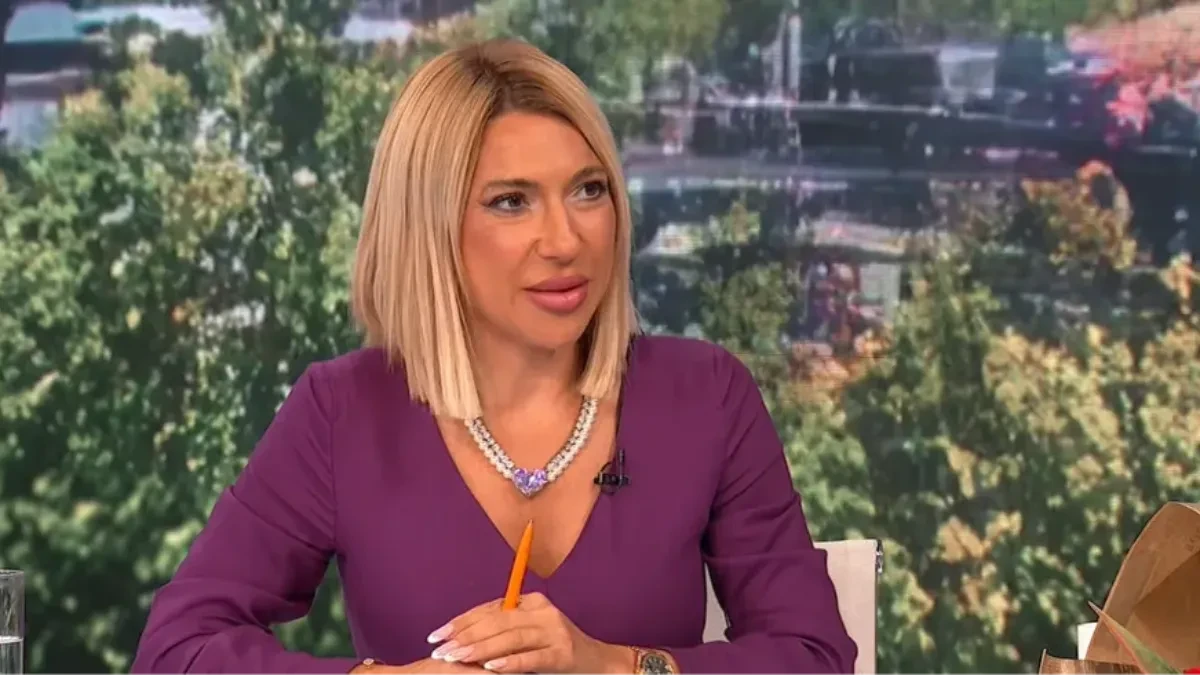
Jovana Jeremić marries Miloš Stojanović
Jovana Jeremić, a TV host on Pink television, has recently married boxer Miloš Stojanović, known by the nickname Tiger, in what both opposition and pro-government outlets describe as a largely secret or private church wedding with only immediate family present. Coverage agrees that this is her second marriage, that the couple exchanged vows in a church, plan a bigger celebration next year for friends and media, and that Jeremić quickly returned to work, appearing on a morning program where her diamond wedding ring and striking wardrobe were prominently visible on camera.
Both sides also note that Jeremić and Stojanović were emotionally affected during the ceremony, reportedly crying as they remembered their deceased fathers, and that this grief carried over into the days immediately after the wedding, including an Instagram video in which she sings and cries for her late father. Media of both leanings acknowledge that the couple is talking about the future, mentioning their intention to have another child and to combine intimate family observance with a later, more public celebration that will include broader social and media circles.
Areas of disagreement
Tone and framing of the wedding. Opposition-aligned sources, where they cover the event at all, tend to treat the wedding as typical celebrity infotainment, sometimes implying it is overexposed or emblematic of the tabloidization of public life, while pro-government outlets frame it as a romantic and dignified church ceremony focused on family and faith. Pro-government coverage stresses her elegance, the symbolism of the ring, and the beauty of the moment, whereas opposition outlets are more likely to be cooler in tone, using neutral or slightly ironic language. Both mention the secrecy and small guest list, but opposition media are more inclined to read this as publicity management, while pro-government titles cast it as a sign of modesty and sincerity.
Public image and political subtext. Opposition-oriented media, when situating the story, often hint that Jeremić’s prominence on Pink and her highly publicized private life reflect the broader media environment under the current government, sometimes suggesting she is part of a loyalist entertainment ecosystem. Pro-government outlets, by contrast, avoid political framing and present her primarily as a successful TV personality whose private happiness is of legitimate public interest. Where opposition sources do make political connections, they link the saturation coverage of her wedding to the marginalization of harder news, while pro-government outlets treat the story as apolitical lifestyle content.
Emotional narrative and victimhood. Opposition coverage tends to be more skeptical of the intense emotional narrative, describing her tears and Instagram posts as either standard celebrity self-exposure or as melodrama calibrated for attention. Pro-government stories lean into the pathos, highlighting her grief for her late father, emphasizing phrases like “we cried” and “tears keep coming,” and portraying her as a devoted daughter whose personal loss deepens the meaning of the wedding. Both acknowledge the deaths of their fathers, but opposition outlets are more likely to downplay this as a central theme, while pro-government media foreground it as the heart of the story.
Celebrity culture and social values. Opposition-linked outlets, when they comment more broadly, tend to use the wedding to illustrate what they see as a value system centered on glamour, spectacle, and the personalities of Pink television, arguing that such stories crowd out discussion of economic or governance issues. Pro-government coverage instead endorses the event as a celebration of family, marriage, and plans for children, implicitly aligning it with conservative social values that the government also promotes. Both sides recognize Jeremić as a high-visibility media figure, but opposition articles frame that visibility as symptomatic of systemic media problems, while pro-government pieces treat it as earned popularity.
In summary, opposition coverage tends to approach Jovana Jeremić’s marriage as another example of celebrity spectacle embedded in a politicized media landscape, while pro-government coverage tends to present it as a heartfelt, apolitical love story that reinforces family-oriented values and celebrates a loyal television star’s private happiness.
Write a comment