Serbia releases new UFO document package
Serbia releases new UFO document package
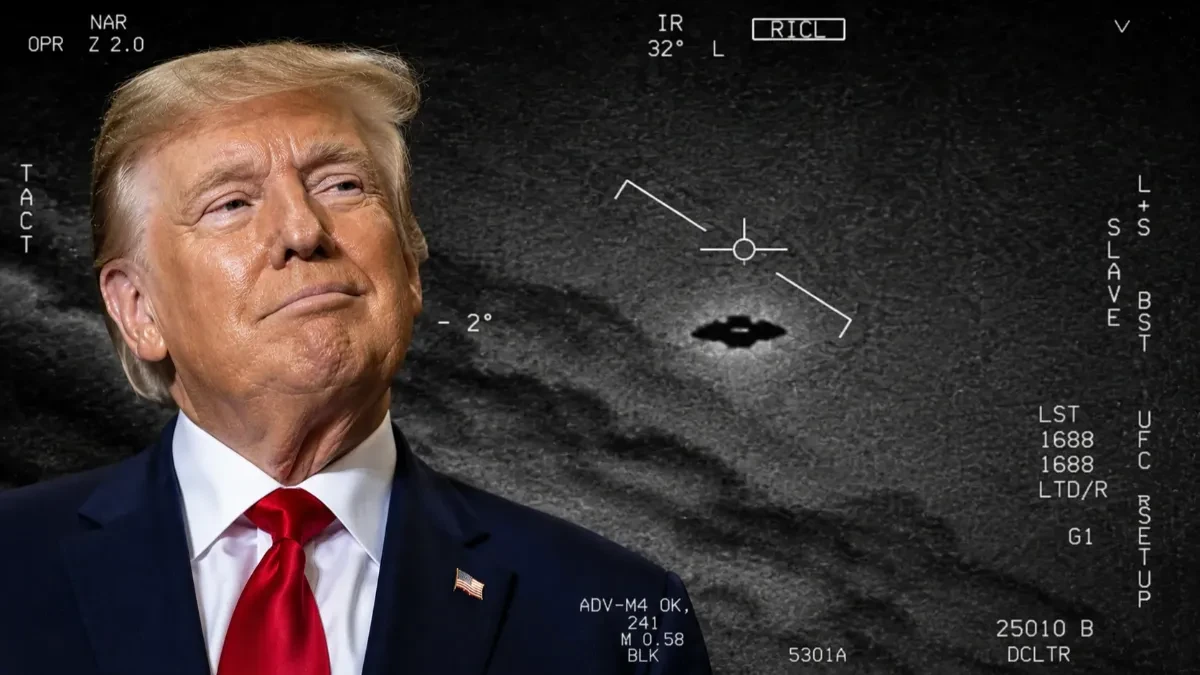
Serbian and regional coverage across the spectrum agrees that a new package of declassified UFO-related materials has been released by the United States government under the Trump-era disclosure push, consisting of roughly 40 documents and three video recordings. Both opposition and pro-government outlets describe the package as part of an ongoing, phased opening of a broader UFO archive that has already surpassed 500 documents in total, including historical witness accounts and technical analyses. They also concur on specific highlights that have drawn public attention, notably a 1953 report by Lockheed engineer Clarence L. (often cited as Clarence) Johnson describing a hovering, unexplained object near his California ranch, plus at least one video recorded over the Middle East in 2020.
Both sides portray the release as tied to long-running US military and intelligence interest in unidentified aerial phenomena, including a secretive Pentagon research program and earlier investigations dating back to the mid-20th century. They agree that the materials blend eyewitness testimony, drawings, radar or instrument data, and analytical memos that stop short of confirming extraterrestrial origins while also not explaining all cases. Across the board, outlets frame the move as a response to decades of secrecy and public pressure for transparency on UFOs, with the stated aim of allowing citizens and researchers to scrutinize the evidence and draw their own conclusions about the phenomenon, its potential security implications, and whether additional reforms in how such incidents are reported and investigated may follow.
Areas of disagreement
Motives and political framing. Opposition-aligned sources tend to cast the declassification as primarily a product of external pressure on Washington, describing it as a reluctant, partial concession by a security establishment worried about credibility and public trust. They often link the move to broader struggles over accountability in US and global governance, downplaying the personal role of Donald Trump or any single administration. Pro-government outlets, by contrast, emphasize Trump’s agency and present the disclosure as a bold, almost singular decision by his team, sometimes using headlines like “Trump releases secret UFO files today!” to credit him personally for shaking up decades of secrecy.
Significance of the files. Opposition coverage typically stresses that the documents, while interesting, are incomplete and raise more questions than they answer, warning readers against overinterpreting ambiguous footage or anecdotal reports. Such outlets frequently highlight the lack of definitive proof of aliens and note that many incidents could have conventional explanations that remain uninvestigated. Pro-government media, however, are more likely to dramatize the releases as globally transformative, asserting that “the entire planet is talking about the existence of aliens again” and suggesting the files significantly shift the debate toward accepting non-human explanations.
Trust in institutions and transparency. Opposition-aligned outlets often portray the Pentagon and intelligence agencies as still withholding key information, treating this batch as just another carefully curated release that avoids the most sensitive material. They raise questions about why certain cases are still classified and whether political motives shape what is shown to the public. Pro-government sources tend to treat the disclosure as evidence that Western institutions, when properly led, are capable of reform and openness, framing the ongoing series of releases as proof that the system is gradually correcting past secrecy rather than continuing to conceal the core truth.
Security and geopolitical angles. Opposition reporting usually situates the files within a wider security debate, noting that unidentified aerial phenomena could reflect foreign adversary technology or gaps in air defense, and they sometimes hint that the spectacle of UFOs can distract from more concrete military issues. They are more reserved about the Middle East 2020 video, treating it as one of many data points that require sober, technical analysis. Pro-government outlets, meanwhile, lean into the intrigue of such footage, presenting the Middle East case and Johnson’s 1953 account as marquee mysteries and framing them less as potential defense failures than as thrilling evidence that officialdom is finally admitting “we don’t know” what is in the skies.
In summary, opposition coverage tends to frame the new UFO package as a controlled, politically constrained disclosure that leaves core questions about secrecy, security, and institutional credibility unresolved, while pro-government coverage tends to credit Trump personally, amplify the files’ dramatic and potentially extraterrestrial implications, and treat the releases as proof that the system is becoming more transparent under strong leadership.
Write a comment