Oven-cleaning advice recommends lemon and baking soda
Oven-cleaning advice recommends lemon and baking soda
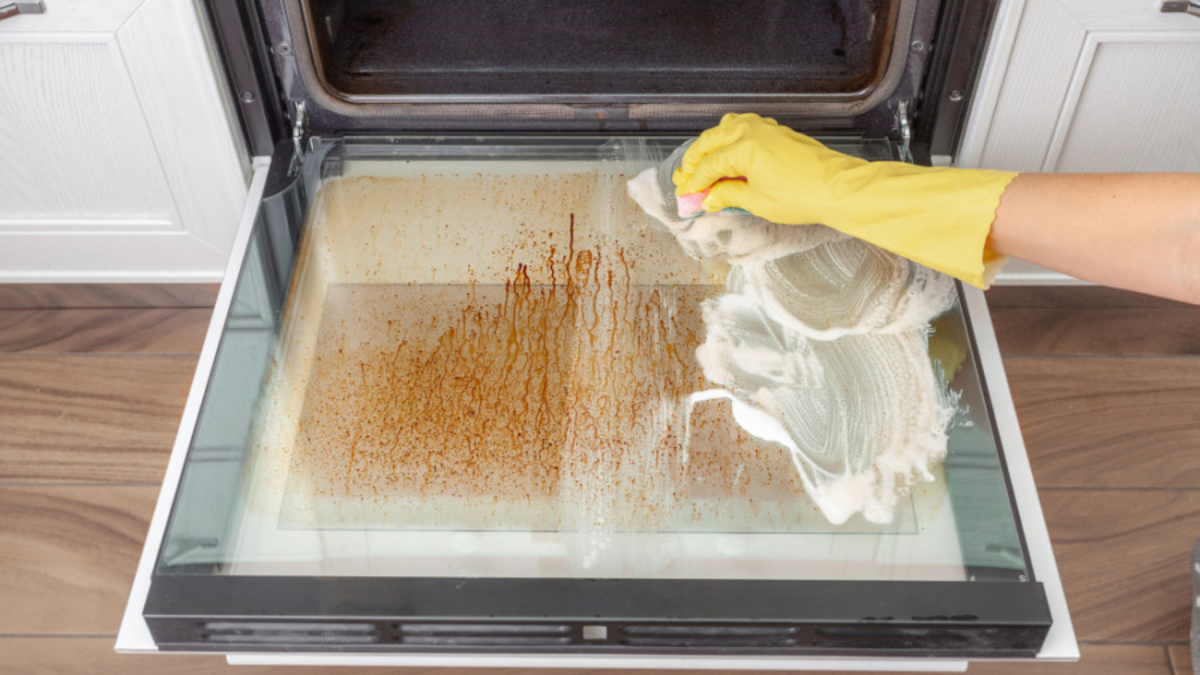
Cleaning coverage across outlets agrees that recent household-advice pieces focus on removing oven door grease using a simple combination of lemon and baking soda, ingredients most homes already have in the kitchen. Reports concur that the method relies on citric acid in lemon to break down grease and the mild abrasiveness of baking soda to lift dirt and stains, sometimes supplemented by steaming lemon slices in water to soften baked-on residues so they wipe away more easily, all without resorting to commercial chemical cleaners.
Both sides also describe this as part of a broader trend in domestic tips that favor low-cost, low-toxicity cleaning solutions and emphasize practicality for everyday households. They frame the advice as accessible to renters and homeowners alike, noting it does not require specialist equipment and fits within common concerns about indoor air quality, skin sensitivity, and cutting back on chemical-heavy products in enclosed kitchen spaces.
Areas of disagreement
Framing and intent. Opposition-aligned outlets tend to frame oven-cleaning tips, including the lemon and baking soda method, as soft lifestyle content that distracts from more pressing economic or governance issues, even when they acknowledge the advice is practical and effective. Pro-government outlets instead present the same guidance as a helpful, good-faith public service that makes domestic work cheaper and safer, and they emphasize its usefulness to ordinary families without questioning editorial priorities.
Economic subtext. Opposition coverage often interprets the promotion of home remedies like lemon and baking soda as an implicit reflection of rising living costs, arguing that the media is normalizing do-it-yourself austerity rather than interrogating why branded cleaning products have become relatively expensive. Pro-government coverage, by contrast, highlights the savings as a positive consumer benefit, treating the ability to clean with pantry staples as evidence of resourcefulness and smart household management rather than as a symptom of wider economic strain.
Health and regulation angles. Opposition-aligned sources are more likely to use the popularity of natural oven-cleaning methods as a springboard to criticize inadequate regulation of chemical cleaners and to call for stronger consumer protections or clearer labeling. Pro-government outlets usually keep the health focus narrow, stressing that avoiding harsh chemicals is a personal choice for comfort and safety in the home, and they stop short of tying the tip to systemic regulatory shortcomings or policy debates.
Symbolism of self-reliance. Opposition coverage sometimes treats the lemon-and-baking-soda advice as symbolic of a state that encourages citizens to solve problems individually in their kitchens while structural issues remain unaddressed. Pro-government sources flip this symbolism, portraying the same behavior as empowering, a demonstration that households can rely on simple, traditional methods that reduce dependence on commercial products and large brands.
In summary, opposition coverage tends to treat the lemon and baking soda oven-cleaning tip as uncontroversial in itself but laden with subtext about economic pressure, weak regulation, and editorial priorities, while pro-government coverage tends to present it as straightforward, empowering household advice that showcases practical, cost-saving ingenuity without delving into broader systemic critiques.
Write a comment