Partizan prepares for EuroLeague clash with Dubai
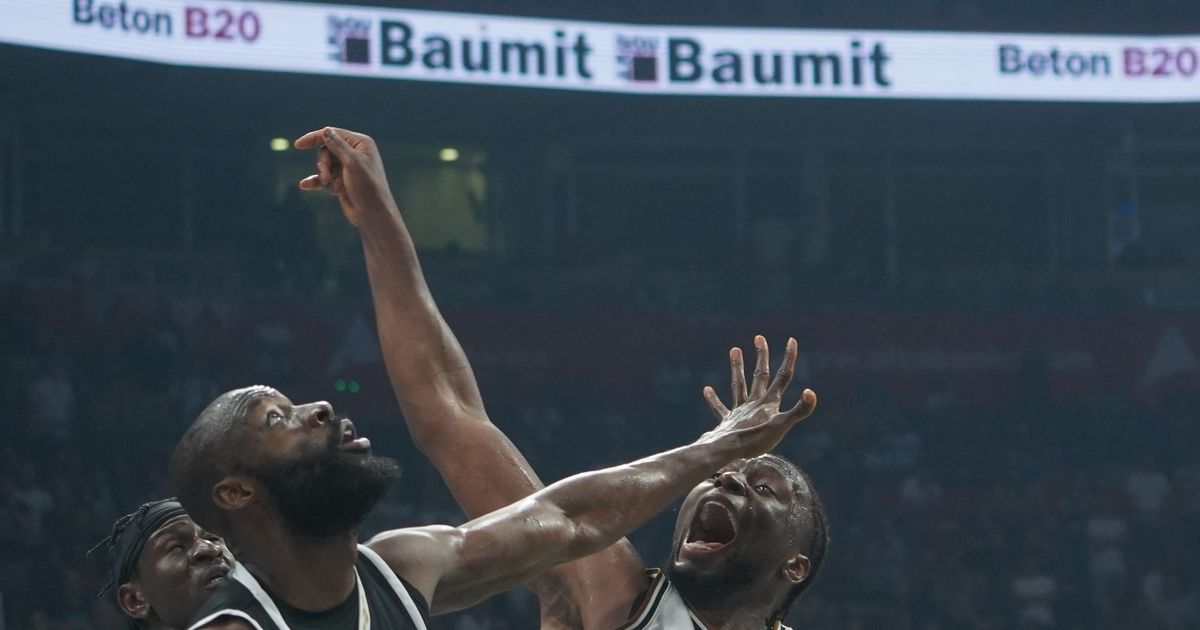
Partizan prepares for EuroLeague clash with Dubai
Partizan is preparing to face Dubai in an away EuroLeague game in the United Arab Emirates, played in the 14th round of the competition. Both sides agree that this will be Partizan’s 14th EuroLeague fixture of the season and that it comes shortly after a tight ABA league meeting between the same opponents, which Partizan won by a small margin. The tip-off is set for 17:00 (5 pm) Belgrade time, and the match will be played at the Coca-Cola Arena in Dubai, with live text commentary available through online portals.
Coverage from both opposition and pro-government outlets situates the game within Partizan’s ongoing continental campaign and notes that this repeat matchup with Dubai is an early test of how the new EuroLeague participant fits into regional and European competition structures. There is shared acknowledgment that the United Arab Emirates is positioning itself as a growing basketball market by hosting EuroLeague games, and that Partizan’s busy schedule across EuroLeague and the ABA league adds importance to squad rotation and form. Both sides frame the fixture as a significant checkpoint for Partizan’s season trajectory, given the quick turnaround from their previous clash with Dubai and the broader visibility of a high-profile game in Dubai.
Areas of disagreement
Sporting significance and framing. Opposition-aligned outlets are more likely to frame the Partizan–Dubai clash as a routine regular-season test, emphasizing basketball form, coaching decisions, and the risk of fatigue from the dense schedule. Pro-government sources tend to inflate the symbolic weight of the game, presenting it as a showcase of Serbian basketball on a global stage and underlining the prestige of playing in Dubai. While opposition reporting treats it as one of many important EuroLeague fixtures, pro-government coverage leans on narrative flourishes about regional pride and the importance of representing Serbia in a high-visibility venue.
Political and economic subtext. Opposition coverage tends to highlight or at least hint at the political and business backdrop of staging EuroLeague games in Dubai, including questions about money flows, ownership structures, and the influence of Gulf capital on regional sports. Pro-government outlets mostly sidestep these angles, focusing on neutral sports information and portraying Dubai’s involvement as a benign sign of international cooperation and investment. Where opposition sources may question who benefits from such deals and whether there is non-transparent state or oligarchic support around Partizan, pro-government media frame the setting as an uncontroversial opportunity for exposure without delving into governance or financing.
Role of state and institutions. Opposition-aligned media are prone to stress indirect state influence over major clubs like Partizan, suggesting that political ties, public companies, or government-favored sponsors shape the conditions under which teams travel, schedule friendlies, and participate in showcase events such as this Dubai game. Pro-government outlets, by contrast, present Partizan’s preparations as purely professional and club-driven, omitting any mention of governmental support or pressure and emphasizing only sporting institutions like the EuroLeague and ABA league. As a result, opposition narratives invite readers to see the match as intertwined with Serbia’s broader sports–state nexus, while pro-government narratives depict it as insulated from domestic politics.
Fan sentiment and atmosphere. Opposition coverage is more inclined to foreground skeptical or critical fan voices, such as concerns over ticket prices, travel costs to Dubai, or the commercialization of the club’s identity through exotic venues and new markets. Pro-government media generally highlight supportive fan narratives, pointing to the expected presence of diaspora supporters, the honor of playing in a modern arena, and the pride of following Partizan on an international stage. Where opposition outlets may treat fan debates as a barometer of dissatisfaction with how the club is run, pro-government outlets highlight unity and enthusiasm, downplaying any controversy over the choice of location or scheduling.
In summary, opposition coverage tends to downplay the spectacle and probe the political, financial, and fan-related implications surrounding Partizan’s EuroLeague trip to Dubai, while pro-government coverage tends to spotlight the prestige of the event, emphasize national and club pride, and keep the focus narrowly on the sporting contest and its symbolic value.
Write a comment