Bodies of young man found on Voždovac sidewalk
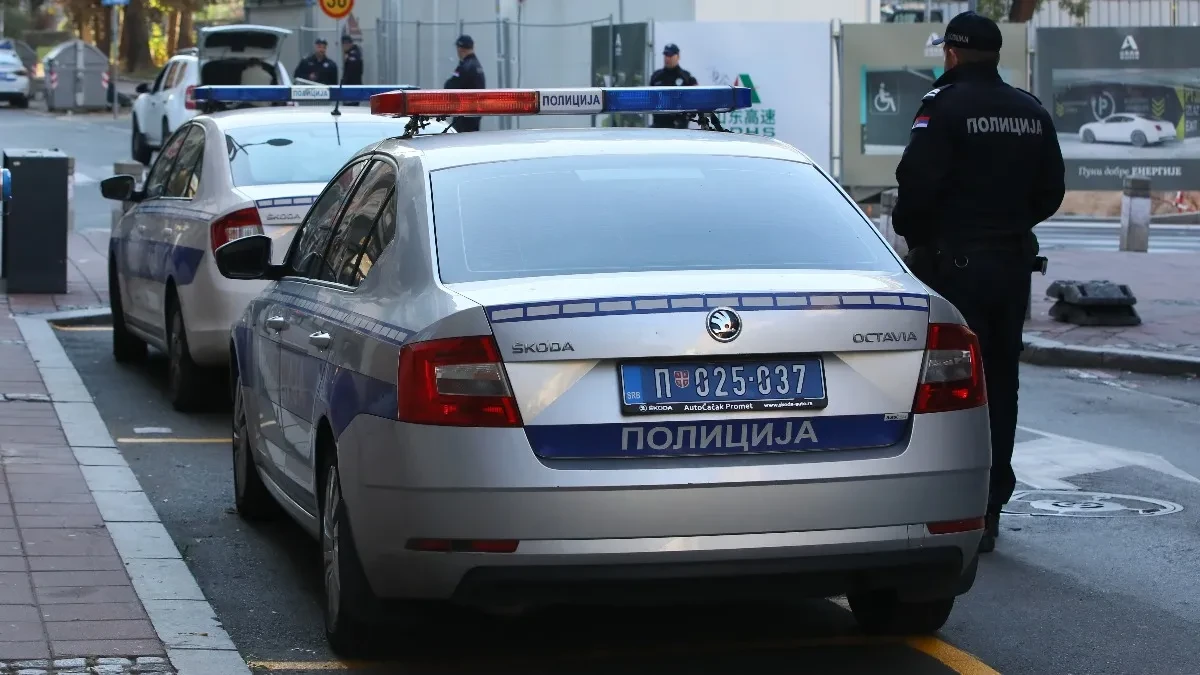
Bodies of young man found on Voždovac sidewalk
The body of a young man was found on the sidewalk in Bačvanska Street in the Belgrade municipality of Voždovac at around 10 a.m., according to both opposition and pro-government descriptions of the incident. All sides agree that passersby or nearby residents alerted the authorities, emergency medical services arrived and confirmed the man’s death at the scene, and police initiated an on-site investigation to clarify the circumstances. While there are minor differences in wording and emphasis, the basic chronology, location, and the fact that the man was already deceased when medical teams arrived are consistently reported.
Across the spectrum, outlets refer to emergency services and police as the primary institutions involved, stressing that official investigative findings are still pending. Both opposition and pro-government sources frame the suggested cause of death as “natural” or “likely natural” based on preliminary information, with a shared caveat that only the ongoing investigation and possible further forensic checks can provide definitive answers. The shared context highlights that such sudden deaths in public places trigger standard procedural responses by health services and law enforcement, and that until those institutions complete their work, media reports remain provisional and largely dependent on official or semi-official briefings.
Areas of disagreement
Framing and tone. Opposition-aligned outlets are more likely to avoid sensational phrasing and focus on the bare facts of a young man found dead, sometimes stressing the routine nature of police and emergency responses, while pro-government media often use dramatic language such as “horror” or “terrible sight” to highlight shock and emotion. Pro-government coverage tends to foreground the shocking visual aspect encountered by passersby and uses exclamation-laden headlines, whereas opposition reporting usually opts for a more restrained, matter-of-fact style. This contrast affects how the same incident is experienced by readers, either as a disturbing spectacle or as a tragic but procedurally handled event.
Cause of death and speculation. Opposition outlets generally underline the provisional nature of any claim about natural causes, emphasizing that only a completed investigation or autopsy can rule out foul play, while pro-government outlets more readily foreground the initial claim that the death was “likely” or “apparently” natural. Pro-government reports tend to repeat the early assessments without interrogating the source or evidentiary basis, creating an impression that the case is largely closed, whereas opposition sources often flag that early labels can be premature. This leads to differing levels of skepticism about whether all possibilities, including institutional negligence or crime, have been fully examined.
Institutional trust and accountability. Opposition media frequently use such incidents to question the thoroughness and transparency of police and medical procedures, hinting that routine classifications of deaths as natural may sometimes mask deeper problems in public health or policing. Pro-government outlets, by contrast, portray the institutions as efficient and responsive, stressing that police are on the scene, the investigation is underway, and protocols are being followed. Where opposition coverage may implicitly invite readers to wonder if there is more to the story, pro-government coverage encourages acceptance that competent authorities are already managing the situation appropriately.
Broader social context. Opposition-aligned reporting is more inclined to situate the case within concerns about living conditions, healthcare access, or youth vulnerability, sometimes linking sudden deaths of young people to wider systemic stresses. Pro-government coverage tends to keep the incident isolated, treating it as an unfortunate but individual tragedy without connecting it to larger policy or social failures. As a result, opposition narratives can frame the event as symptomatic of broader issues, while pro-government narratives keep the focus narrowly on the immediate episode and the official response.
In summary, opposition coverage tends to treat the incident as factually unresolved, institutionally and socially contextualized, and a potential indicator of wider systemic issues, while pro-government coverage tends to emphasize shock value in presentation but quickly align with early official claims of natural causes and underscore trust in the ongoing investigation.
Write a comment