Two reports repeat the MVP award for Olimpia Milano’s Moses Wright
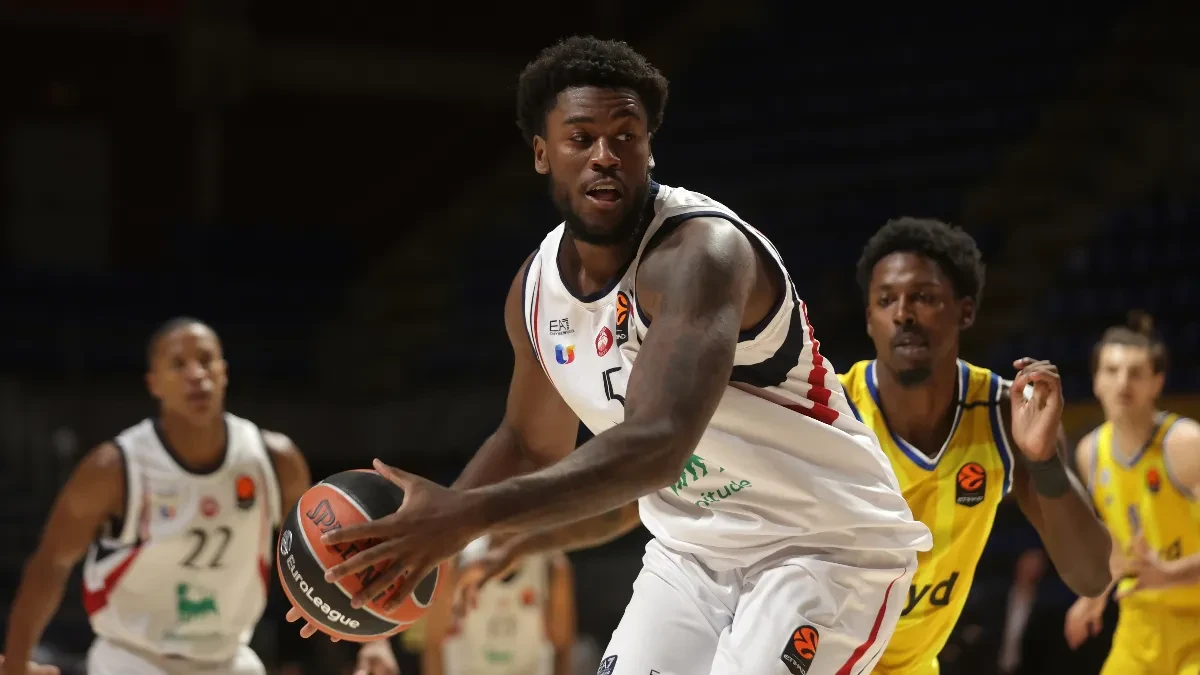
Two reports repeat the MVP award for Olimpia Milano’s Moses Wright
Moses Wright of Olimpia Milano has been unanimously reported as the MVP of EuroLeague Round 14, with both camps agreeing on the core facts of his performance. Coverage converges on his standout stat line against Asvel, highlighting 29 points, eight rebounds, and a performance index/efficiency rating of 35 in a 95–91 win that secured the award. All outlets that mention the sequence of awards concur that this is his second consecutive MVP recognition at EuroLeague level, and that the game in question was a tightly contested matchup that Olimpia Milano managed to close out.
Both sides also align on the broader competitive context, presenting the EuroLeague as a premier continental competition in which such a performance carries substantial weight for both player and club. They agree that Olimpia Milano, a historically important Italian club, is seeking to climb the EuroLeague standings and that Wright’s back‑to‑back MVPs symbolize a resurgence in form. The shared narrative frames the award as not only an individual milestone but also a sign of the team’s offensive firepower and growing confidence in a demanding phase of the season.
Areas of disagreement
Framing of significance. Opposition-aligned outlets, where they comment, tend to frame Wright’s repeated MVP award as a bright spot that should not distract from structural issues in domestic basketball and club management, presenting it as notable but limited in systemic significance. Pro-government sources, by contrast, amplify the award’s importance, portraying it as emblematic of a broader success story for Italian basketball and a validation of current sporting policies and investments.
Attribution of credit. Opposition coverage is more inclined to credit Wright’s personal work ethic, overseas development, and individual talent, downplaying any role of national or institutional planning in his emergence. Pro-government outlets, however, emphasize the club structure, coaching environment, and federation-backed competitiveness as key enablers of his performance, implicitly linking his MVP streak to the effectiveness of existing sports governance.
Link to national image. Opposition sources, when they draw political parallels, warn against using Wright’s achievements as a proxy for the overall health of the sport, arguing that one star performance does not address gaps in youth development or funding. Pro-government media more readily connect his back-to-back MVPs to a positive national image, suggesting that such international recognition demonstrates Italy’s growing weight in European basketball and justifies the current direction of sports policy.
Future outlook. Opposition-aligned reporting tends to speculate cautiously, suggesting that unless deeper reforms are made, individual highlights like Wright’s may remain isolated peaks rather than heralding sustained success. Pro-government coverage is more optimistic, treating his continued excellence as a sign that Olimpia Milano and Italian clubs can contend consistently at EuroLeague level, forecasting further high-profile performances as a natural outcome of the present trajectory.
In summary, opposition coverage tends to treat Wright’s MVP repeat as an impressive but isolated achievement that should not obscure unresolved structural weaknesses, while pro-government coverage tends to use it as evidence of a successful sporting ecosystem and as a symbol of national and institutional strength.
Write a comment