Serbian Cup volleyball semifinals set a Zvezda–Partizan derby
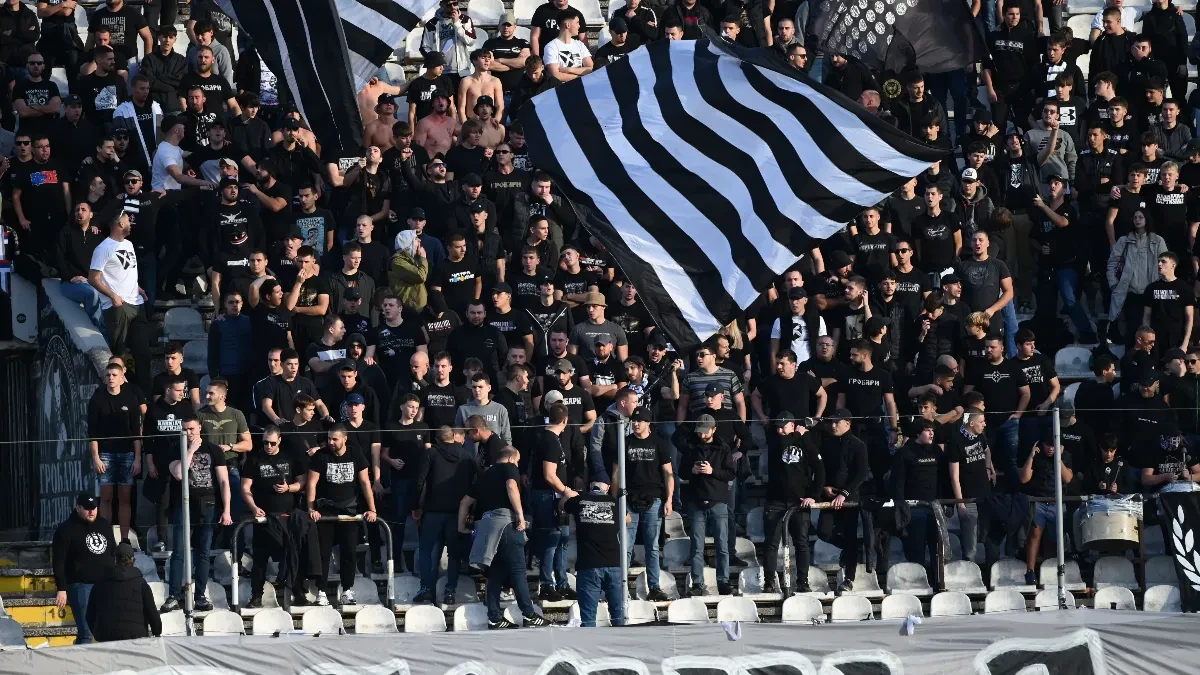
Serbian Cup volleyball semifinals set a Zvezda–Partizan derby
The latest volleyball draw for the Serbian Cup semifinals has set up a high-profile men’s derby between Crvena zvezda and Partizan, an outcome both opposition and pro-government outlets frame as the central sporting highlight. Coverage from both camps notes that the other men’s semifinal features Spartak, last season’s cup winner, while in the women’s competition the key pairing is TENT-Ub against the Železničar–Napredak 037 combined side, with Ub entering as the defending champion. Reports broadly agree on the schedule split across two legs in December, with men’s matches set for December 2 and 16 and women’s ties to be played on December 9 and 23, emphasizing that the format is designed to maximize competitiveness and spectator interest. Across outlets, the event is presented as a nationwide volleyball showcase that will draw significant attention because of the historic Zvezda–Partizan rivalry and the presence of reigning champions in both brackets.
Opposition and pro-government media also converge on describing the Serbian Cup as a key institution in domestic volleyball, sitting alongside the national league as a major route to silverware and continental exposure. They agree that the Crvena zvezda–Partizan pairing taps into decades of multi-sport rivalry and guarantees strong ticket sales and television interest, while the TENT-Ub and Železničar–Napredak 037 matchup underscores the depth and competitiveness of the women’s game. Both sides highlight that Spartak and Ub, as title holders, carry expectations to defend their trophies, and that the two-legged semifinal structure is intended to reduce the impact of one-off upsets. Shared context pieces also stress that these semifinals are part of a broader push to popularize volleyball in Serbia, align domestic competitions with European standards, and provide clubs with a stable competitive calendar.
Areas of disagreement
Framing of significance. Opposition-aligned outlets tend to present the Zvezda–Partizan derby as an important but primarily sporting event, occasionally downplaying its symbolic weight within a wider narrative of political and economic problems in the country. Pro-government media, by contrast, lean into the derby’s prestige, casting it as proof of the vitality of Serbian sports and a unifying spectacle that transcends politics. While both acknowledge the rivalry’s historic appeal, opposition coverage is more likely to contextualize it as entertainment within a troubled public sphere, whereas pro-government reports highlight it as a national highlight and a reason for pride.
Political overtones and state role. Opposition sources often hint that major derbies, including this volleyball clash, are used by authorities and their allied media to divert attention from governance issues, emphasizing that state-affiliated sponsors and institutions are prominently visible around such events. Pro-government outlets focus instead on the supportive role of state and municipal bodies, crediting infrastructure investment and institutional backing for enabling high-level competition and attractive cup formats. Where opposition coverage might question whether resources are distributed fairly across smaller clubs and regions, pro-government reporting tends to frame the same involvement as effective sports policy and evidence of responsible stewardship.
Emphasis on broader volleyball ecosystem. Opposition media are more inclined to use the cup draw as a hook to discuss structural challenges in Serbian volleyball, such as club financing, youth development, and the concentration of attention on a few big brands like Zvezda and Partizan. Pro-government outlets largely stay within the celebratory narrative of the semifinals themselves, briefly noting Spartak and Ub as defending champions but giving limited space to systemic critiques. As a result, opposition coverage can feel more analytical and occasionally critical of how the sport is organized, while pro-government coverage is more event-driven and promotional.
In summary, opposition coverage tends to treat the Zvezda–Partizan volleyball derby as an exciting but context-laden event that shares the stage with critiques of sports policy and political influence, while pro-government coverage tends to foreground the derby and the cup as symbols of national sporting success, emphasizing state support and positive narratives while minimizing systemic or political concerns.
Write a comment