Lebane stabbing suspect detained for attempted murder
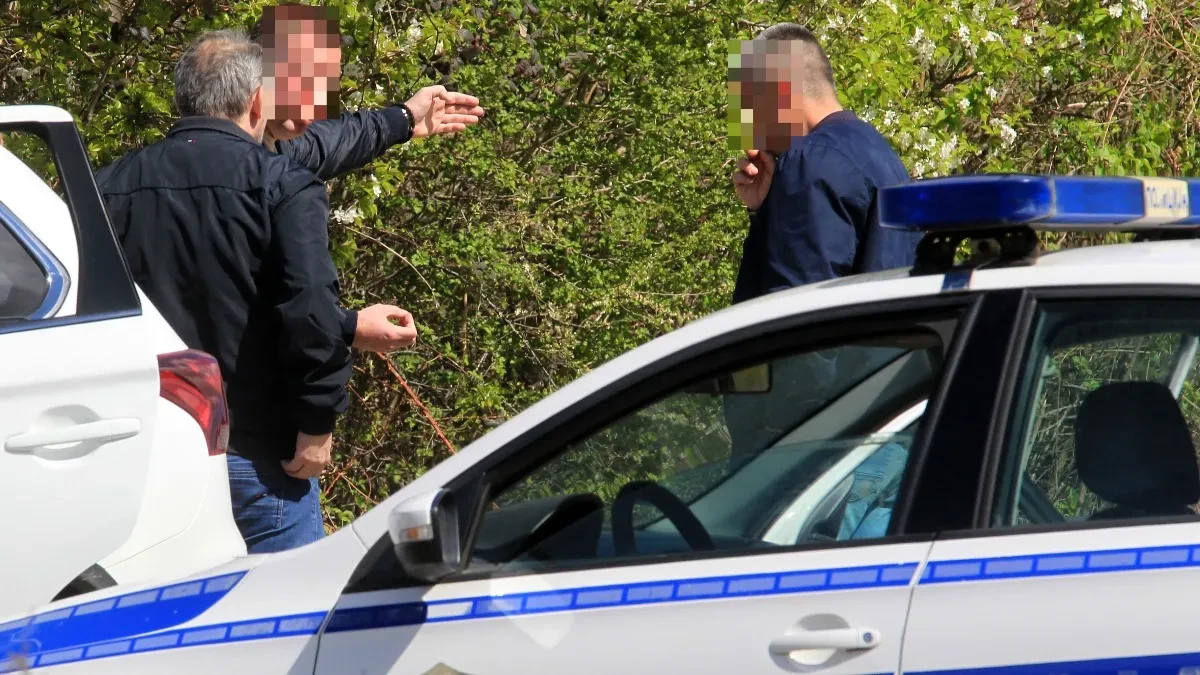
Lebane stabbing suspect detained for attempted murder
Police and judicial sources across the spectrum report that a 25-year-old man, identified as M. S. from Lebane, has been arrested on suspicion of attempted murder after a stabbing incident in this southern Serbian town. According to these accounts, he allegedly stabbed a 39-year-old man multiple times in the chest, back, and abdomen following an argument on November 27, inflicting severe, life-threatening injuries that required emergency medical treatment, while officers from the Leskovac police directorate detained him for up to 48 hours as a suspect.
Both opposition-leaning and pro-government outlets agree on the basic institutional framework: the case is being handled by the Leskovac police and the local prosecution under Serbia’s standard criminal procedure for attempted murder. They also converge on describing the incident as a serious violent crime in a small local community, emphasizing that the formal charge is attempted murder rather than a lesser offense and that further investigative and prosecutorial steps will follow the initial 48-hour detention.
Areas of disagreement
Framing of the incident. Opposition outlets typically frame the stabbing as part of a broader pattern of rising violence and insecurity, presenting it as symptomatic of deeper social and governance failures, while pro-government media depict it as an isolated “bloody clash” following a personal argument. Pro-government coverage foregrounds the rapid police reaction and sticks closely to the police statement, whereas opposition stories, where present, are more likely to embed the case in wider narratives about crime trends and public safety.
Responsibility and systemic causes. Opposition sources tend to link the attack to structural issues such as unemployment, marginalization in smaller towns, and what they describe as inadequate crime prevention and weak institutions, indirectly assigning political responsibility to the current authorities. Pro-government outlets instead stress individual responsibility of the suspect, characterizing him as a single perpetrator whose actions do not reflect broader social conditions, and they largely avoid connecting the case to systemic or government-level failings.
Portrayal of institutions. Opposition media often highlight questions about whether the police, prosecution, and courts act consistently and effectively in such cases, sometimes referencing previous violent incidents to suggest impunity or slow justice. Pro-government coverage, in contrast, portrays the institutions as efficient and responsive, emphasizing the swift arrest, the clearly stated suspicion of attempted murder, and the 48-hour detention as proof that the system is functioning properly.
Use of language and emotional tone. Opposition-aligned outlets, when covering similar incidents, may use critical or alarmist language to underscore a sense of pervasive danger and a state that is failing to protect citizens, pairing emotive terms with political critique. Pro-government media in this case rely on sensational headlines like “horror” and “bloody clash” to capture attention but keep the body text close to official information, avoiding overt political commentary and focusing on the dramatic but self-contained nature of the crime.
In summary, opposition coverage tends to situate the Lebane stabbing within a narrative of systemic insecurity and institutional shortcomings, while pro-government coverage tends to treat it as an isolated crime that demonstrates effective police action and a functioning legal process.
Write a comment