Pedestrian dies after being struck on New Novi Sad Road in Zemun
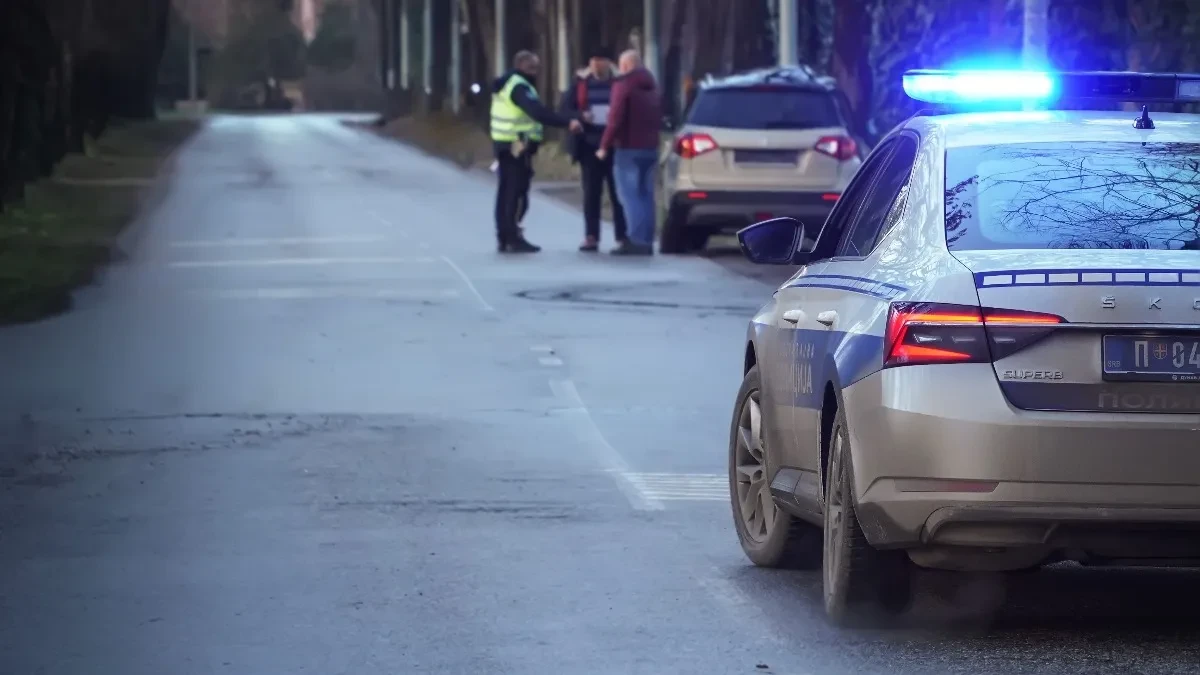
Pedestrian dies after being struck on New Novi Sad Road in Zemun
A male pedestrian, reported as being around 40 years old, was fatally struck by a car on Novi Novosadski put (New Novi Sad Road) in Zemun early this afternoon, with most reports placing the time of the accident at about 13:30. Both opposition and pro-government outlets agree that emergency medical services arrived but could only confirm the man’s death at the scene, that the driver survived and was transported to hospital, and that police initiated an on-site investigation which led to slowed or partially obstructed traffic in the area.
Across the spectrum, media describe the event as a serious or horrific traffic accident, emphasizing that the exact circumstances and causes are still under investigation by relevant authorities. They concur that standard procedures are being followed, including forensic examination of the scene, interviews with the driver and any witnesses, and that further details on responsibility, potential speeding, visibility, or pedestrian behavior have not yet been officially confirmed.
Areas of disagreement
Framing of responsibility. Opposition-aligned sources tend to raise questions about systemic road safety, hinting that poor infrastructure, lax enforcement, or broader governance failures may share blame for the pedestrian’s death, even while acknowledging that the precise circumstances are unclear. Pro-government outlets, by contrast, largely stick to describing the collision as an isolated tragedy, focusing on the fact that the causes are still unknown and avoiding any early implication that authorities bear responsibility.
Institutional performance. Opposition coverage more often uses such incidents to scrutinize the work of the police, city services, and traffic authorities, suggesting patterns of inadequate prevention measures on busy roads like Novi Novosadski put. Pro-government media usually present state institutions as acting promptly and professionally, stressing the rapid emergency response, the driver’s transport to hospital, and the ongoing investigation without implying institutional negligence.
Broader political context. Opposition sources are more likely to situate the accident within a narrative of long-standing neglect of pedestrian safety and urban planning under the current leadership, using it as another example of governance failures affecting everyday life. Pro-government outlets tend to depoliticize the event, treating it strictly as a traffic accident report and avoiding linkage to larger debates about government accountability, budget priorities, or urban policy.
Emotional tone and focus. Opposition-aligned media frequently highlight the human cost and potential preventability of such deaths, dwelling on public fears and frustration with recurring accidents on major city roads. Pro-government coverage, while acknowledging the tragedy, maintains a more restrained tone and focuses on factual updates, the status of the driver, and the formal investigation rather than on citizens’ anger or demands for systemic change.
In summary, opposition coverage tends to embed the fatal collision in Zemun within a larger critique of road safety policy and governance shortcomings, while pro-government coverage tends to present it as a tragic but isolated incident handled through routine institutional procedures.
Write a comment