Serbia reports power disruptions amid snow and wind
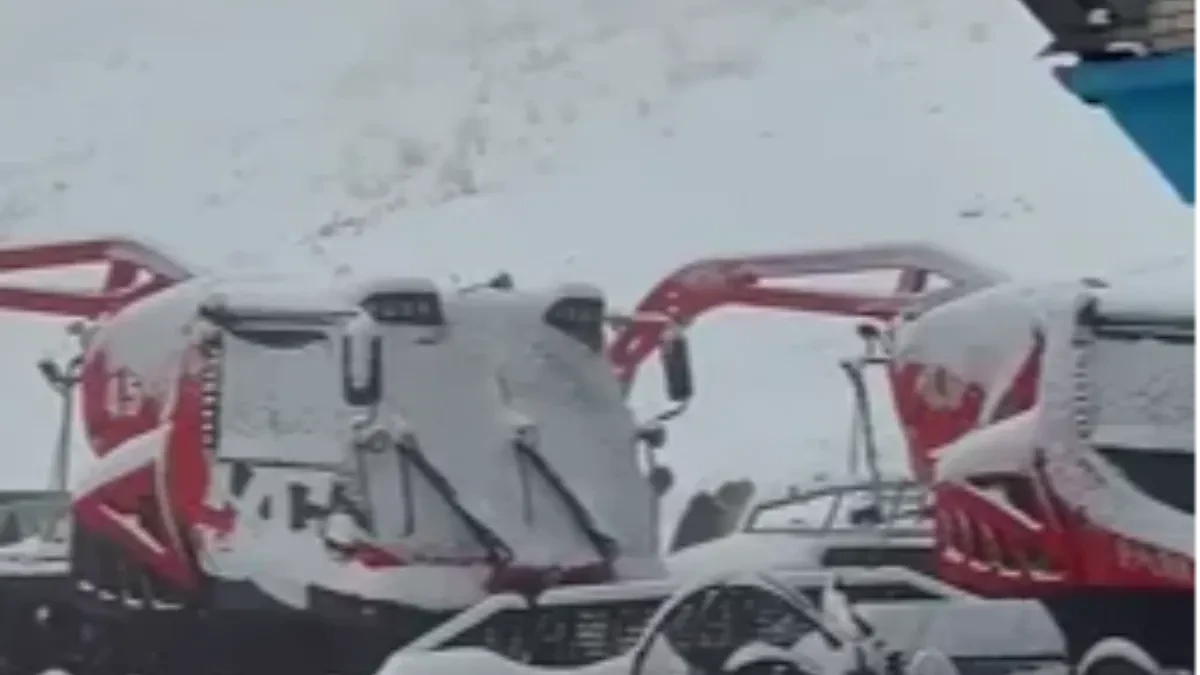
Serbia reports power disruptions amid snow and wind
Serbian media of both orientations report that strong snow and wind have caused power supply disruptions in parts of the country, especially in mountainous areas and some districts such as Kolubarski, Šumadijski, and Mačvanski, as well as Belgrade suburbs like Obrenovac and Lazarevac. They agree that the majority of the national grid remains functional and that the problems are localized and intermittent, with outages described as occasional or short-term rather than a nationwide blackout.
Across the spectrum there is shared emphasis that Elektodistribucija Serbia is actively engaged in repairs, with field crews working continuously to restore electricity in affected areas. Both sides highlight that authorities have issued recommendations to citizens on how to behave during the bad weather and power cuts, and they echo official expectations that normal power supply should be largely restored by later in the day if weather conditions do not worsen.
Areas of disagreement
Scale and severity. Opposition-aligned outlets are more likely to portray the disruptions as symptomatic of deeper weaknesses, emphasizing the discomfort of citizens and instances where outages last longer than promised, while pro-government media stress that the power system is “generally stable” and that interruptions are limited in scope. Opposition sources frame the number of affected municipalities as evidence that the situation is more serious than officials admit. Pro-government coverage, by contrast, plays down the extent of the problem, using language such as “occasional” or “intermittent” failures and repeatedly underlining that most of Serbia has an uninterrupted supply.
Responsibility and preparedness. Opposition coverage tends to question the preparedness of state-owned energy companies and regulators, pointing to recurring infrastructure issues during bad weather and suggesting underinvestment or mismanagement. It may highlight past promises of grid modernization and contrast them with current outages. Pro-government sources instead emphasize that the disruptions are primarily the result of extraordinary weather conditions, underline the technical complexity of the network, and praise crews and management for a swift and organized response.
Political framing and messaging. Opposition media often tie the outages to broader critiques of the ruling party, linking energy reliability to governance quality and suggesting that official reassurances are part of a public relations effort. They may give more space to citizen complaints and local officials who criticize central authorities. Pro-government outlets frame the story as a test that the system is successfully passing, foregrounding statements from ministries and Elektodistribucija Serbia that highlight competence, control of the situation, and responsiveness to citizens’ needs.
Future risks and reforms. Opposition-oriented reporting is more likely to argue that such weather events reveal structural vulnerabilities and that without serious reforms and investment the country will face similar or worse problems in future winters. It may call for accountability, transparent audits, or changes in energy policy. Pro-government coverage tends to suggest that current maintenance and upgrade programs are adequate, implicitly framing the outages as temporary disturbances rather than indicators of systemic risk, and it gives less prominence to demands for structural reform.
In summary, opposition coverage tends to use the weather-induced power cuts to question system resilience, governance quality, and long-term energy policy, while pro-government coverage tends to underscore the stability of the grid, the prompt reaction of institutions, and the narrative that the situation is under control and largely normalized.
Write a comment