First Buyer Mistakes on the Jebel Ali Property Website
- Why Jebel Ali Carries Mixed Risk Profiles
- Contract Guarantees That Actually Matter
- Cargo and Transfer Safety for Ready Units
- Verifying Listings Before Committing
- A Practical Next Step
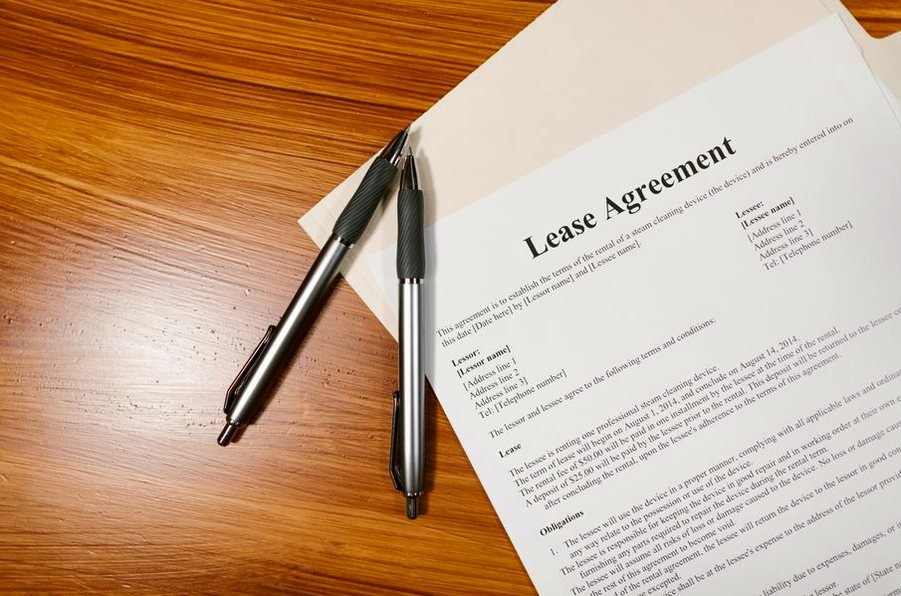
Most losses on a first Jebel Ali purchase trace back to three gaps: no verified payment schedule, no inspection of handover condition, and no clear read on which entity actually holds title. These aren’t exotic risks. They’re the same mistakes that show up across Dubai’s off-plan market, and Jebel Ali’s mix of mature apartment blocks, a garden village of villas, and unfinished towers in Downtown Jebel Ali makes it easy to confuse one property’s risk profile for another.
Why Jebel Ali Carries Mixed Risk Profiles
Jebel Ali isn’t one uniform market. Discovery Gardens is an established community with low-rise blocks that have been standing for two decades, so the main risks there are service charge disputes and wear-and-tear disclosure, not construction delay. Downtown Jebel Ali is different: some buildings have been handed over, but other sections, including parts of the Trellis District and Medina, are still under construction. Palm Jebel Ali sits furthest out on the risk curve, since it’s a waterfront island development still being built, meaning buyers are purchasing largely on masterplan promises rather than finished product.
Treating a ready apartment in Discovery Gardens the same way you’d treat an off-plan unit in a project like Eleve by Deyaar is the first mistake. Each needs a different due diligence checklist.
Contract Guarantees That Actually Matter
For off-plan purchases, the payment plan structure is the single most important document. A 50/50 plan, where half the price is paid during construction and half on handover, shifts more risk onto the developer than a plan front-loaded with 70-80% paid before completion. Buyers should confirm the handover quarter in writing, not just a marketing-stated year, since “Q4 2027” and “2027” carry very different enforcement weight if the developer slips.
Escrow protection is non-negotiable in Dubai: payments for off-plan units should go into a RERA-regulated escrow account tied to the specific project, not directly to the developer’s operating account. If a listing or agent can’t confirm the escrow account number, that’s a reason to pause, not proceed.
Cargo and Transfer Safety for Ready Units
For completed properties, the equivalent of “cargo safety” is the handover inspection and the no-objection certificate (NOC) from the developer confirming service charges are settled before transfer. Buyers who skip the physical inspection often discover unresolved snagging issues, like plumbing or AC defects, only after the Dubai Land Department transfer is complete and recourse is harder. Walking the unit against the original floor plan, especially for layouts like the garden village’s four- and five-bedroom villas starting around 4,500 and 5,000 sq ft, catches discrepancies before money changes hands.
Verifying Listings Before Committing
Price verification matters as much as contract language. Studios in the district typically run AED 583,000 and up, one-bedroom units from roughly AED 790,000, with penthouses, villas, and townhouses priced well into the millions depending on size and community. Cross-checking an asking price against current listings on a platform such as the Jebel Ali property website before negotiating gives buyers a baseline, since asking prices in a fast-moving district can shift between when a listing is indexed and when it’s actually shown.
Buyers should also confirm freehold eligibility for the specific plot or unit, since not every pocket of Jebel Ali carries the same ownership status for foreign buyers, and a verbal assurance from an agent isn’t a substitute for checking the title deed classification directly.
A Practical Next Step
Before transferring any deposit, request the escrow account number for off-plan units or the NOC and snagging report for ready units, and verify both independently rather than taking an agent’s word for it.
- Reference: https://jebel-ali-dubai.ae/
Write a comment