China Launches Maritime Operation East of Taiwan
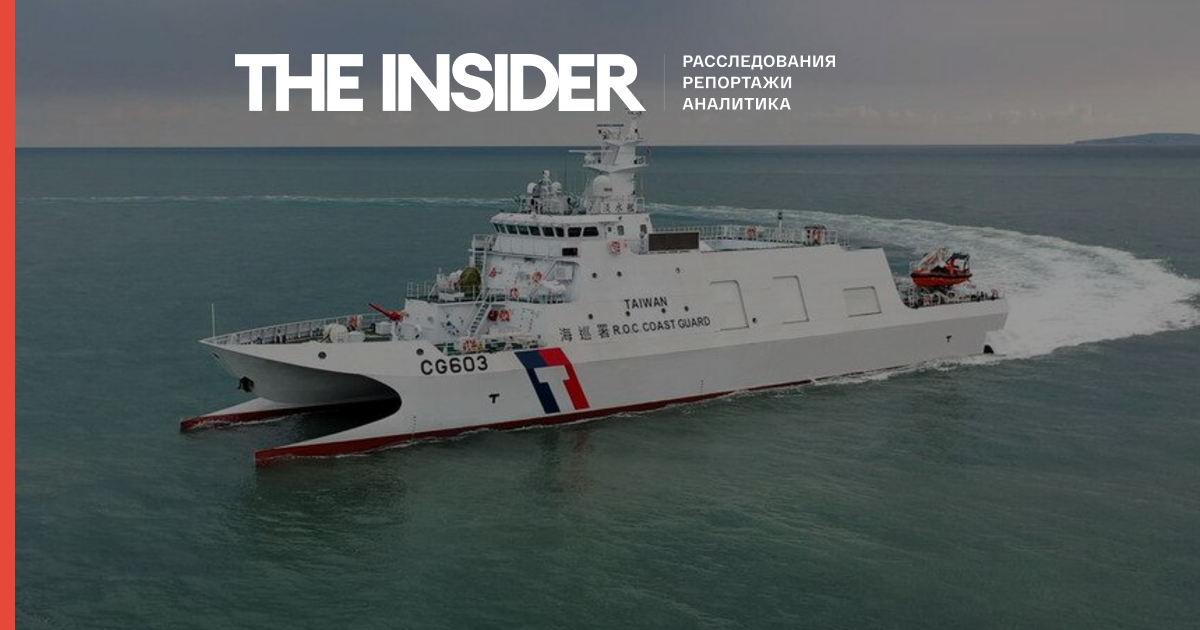
China Launches Maritime Operation East of Taiwan China’s latest move in the waters east of Taiwan isn’t a simple coast guard patrol; it’s a floating protest sign aimed squarely at Tokyo and Manila, with Taipei caught in the middle.
Beijing’s line is straightforward and hard-edged. State media frames the action as a “special law enforcement operation east of Taiwan,” presented as a necessary response to Japan and the Philippines unilaterally starting talks on maritime border delimitation in the area. In this telling, the negotiations are not technical boundary work but a political affront. Chinese authorities have branded the talks a “serious violation of China’s territorial sovereignty and maritime rights,” insisting the goal is to “fully exercise China’s administrative and law enforcement jurisdiction at sea” and “protect national rights and interests.”
The opposition perspective, by contrast, highlights how crowded the stage has suddenly become. It underscores that Japan and the Philippines are moving to delimit their exclusive economic zone and continental shelf east of Taiwan after a high‑profile visit by Philippine President Ferdinand Marcos Jr. to Tokyo, implicitly casting them as asserting their own legal rights under the UN Convention on the Law of the Sea — the very treaty Beijing accuses them of violating.
Most striking is the space this coverage gives to Taiwan, largely absent from Beijing’s framing. Taipei’s Coast Guard flatly says China “does not have sovereignty rights in the eastern waters” and has dispatched multiple ships and a patrol boat to monitor Chinese vessels Haixun‑06, Haixun‑08, Haixun‑09 and Donghaijiu‑113. Where China talks of law enforcement, Taiwan talks of surveillance and deterrence.
Side by side, the narratives diverge: China insists it is defending sovereignty, Japan and the Philippines are portrayed as codifying theirs, and Taiwan is signaling that neither side gets to write it out of the map.
Write a comment