Russia Permits Refineries to Produce Lower-Quality Fuel Amid Shortages
Russia Permits Refineries to Produce Lower-Quality Fuel Amid Shortages Russia’s answer to a deepening fuel crunch is blunt: if it can’t keep the pumps flowing with clean fuel, it will keep them flowing with dirty fuel instead.
A “Euro‑5” label on “Euro‑3” fuel
Across opposition media, the move is portrayed as a quiet, backdoor downgrade of environmental and technical standards. Meduza reports that the government has allowed refineries to sell gasoline and diesel that fall short of Euro‑5 sulfur limits and other parameters, a temporary measure first adopted in autumn 2025 and then extended beyond May 1, 2026 amid shortages. The fuel, formally classified as Euro‑5, can in reality have sulfur and impurity levels equivalent to Euro‑3 and is restricted to the domestic market.
Novaya Gazeta Europe likewise frames the decision as a deficit‑driven rollback: refineries are now legally producing gasoline and diesel with deviations from Euro‑5, explicitly to head off a fuel shortfall, with quality effectively down‑rated to Euro‑3 for Russian drivers.
Safety versus supply
Where the Kremlin casts this as a stability measure, experts quoted by these outlets stress it is at best a partial fix with real technical risks. Meduza cites analysts who say the relaxed standards will only “partially ease localized shortages,” with many small refineries still unable to meet even the looser thresholds. Both Meduza and The Insider warn that higher sulfur fuel can damage modern cars’ engines and emissions systems, turning an immediate supply problem into a longer‑term maintenance and pollution headache.
War at the refinery gates
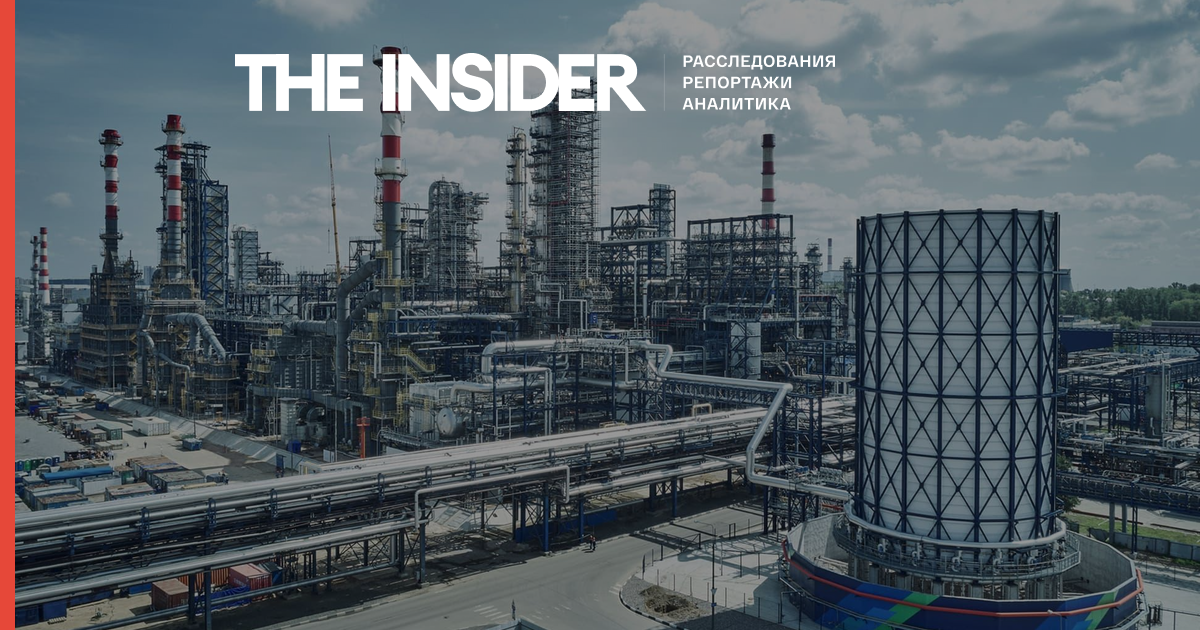
On one point, the narratives converge: this is wartime policy. The Insider ties the deregulation directly to “Ukrainian attacks on refineries and fuel shortages,” noting that sulfur limits for gasoline have been raised up to 15 times above Euro‑5, and for diesel up to 35 times, after repeated drone strikes forced major plants to halt or cut production. Meduza details how drone attacks shuttered central Russian refineries and triggered rationing from Moscow to occupied Crimea.
The contrast is stark: officials get breathing room for a strained fuel system; Russian motorists get dirtier fuel, potential engine damage, and air that looks a lot more like Euro‑3 than the Euro‑5 on the label.
Write a comment