Poland Revokes Zelensky's Top Award, Sparking Diplomatic Row
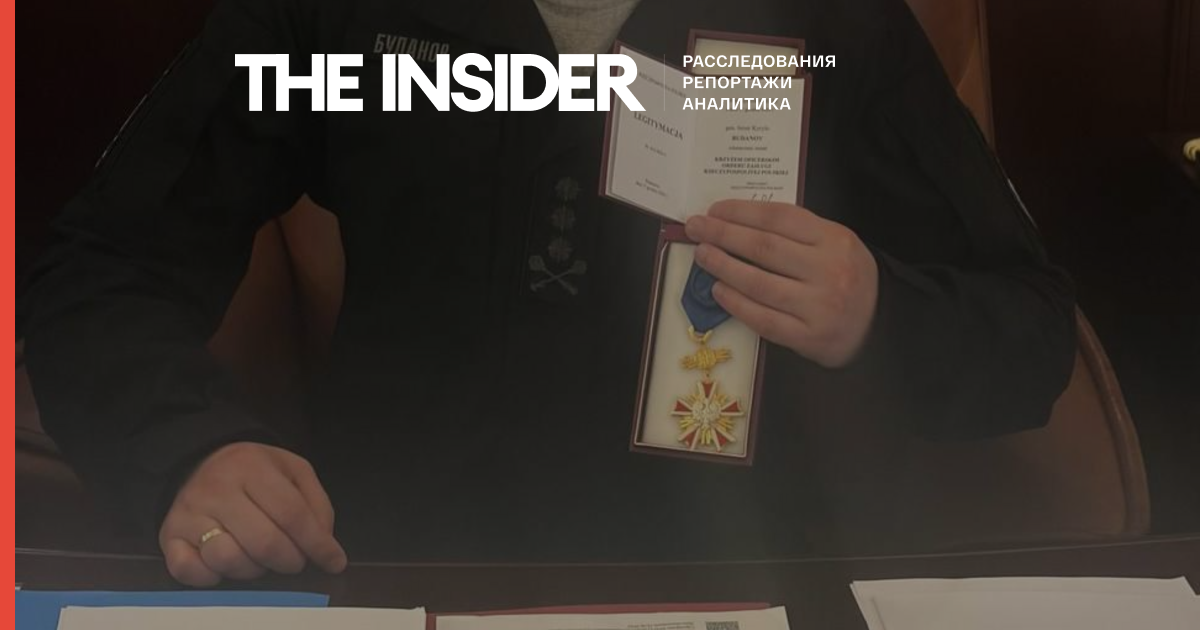
Poland Revokes Zelensky’s Top Award, Sparking Diplomatic Row Poland has turned its highest honor into a diplomatic weapon, and Ukraine has answered by throwing its own medals back. What began as a dispute over wartime memory is fast mutating into a rift inside the anti‑Kremlin camp.
President Karol Nawrocki’s move to strip Volodymyr Zelensky of the Order of the White Eagle followed Ukraine’s decision to name a special forces unit “Heroes of the UPA,” honoring the Ukrainian Insurgent Army. For Warsaw, that crosses a red line: Nawrocki cast the UPA as responsible for “brutal crimes” against Poles during World War II and framed any glorification as a blow to trust and historical memory. Polish narratives center on the Volhynia massacres, where Ukrainian nationalists are blamed for killing around 100,000 Poles, with thousands of Ukrainians also dying in retaliatory violence.
Kyiv’s response flips the script. Ukrainian officials argue that UPA symbolizes resistance to both Nazi Germany and the Soviet Union, and that Poland is politicizing a “tragic shared history” instead of engaging in serious reflection. Ukraine’s foreign minister Andriy Sybiha branded Nawrocki’s decision a “strategic mistake … which benefits only Moscow,” a line echoed across Kyiv’s elite.
The clash escalated when Kyrylo Budanov, head of the Ukrainian President’s Office, publicly renounced his own Polish state award in solidarity with Zelensky. He called the revocation of Zelensky’s order “a gift to the Moscow aggressor” and highlighted Polish inconsistency, noting that the White Eagle has still not been revoked from Benito Mussolini, Hitler’s ally.
Both sides insist they value the partnership; both swear they won’t hand victory to the Kremlin. Yet one is defending its national martyrology, the other its pantheon of anti‑Soviet heroes. The real test is whether Warsaw and Kyiv can keep arguing about 1943 without blowing up the alliance they need in 2026.
Write a comment