Russia's Medvedev Backs African Push for Colonial Reparations
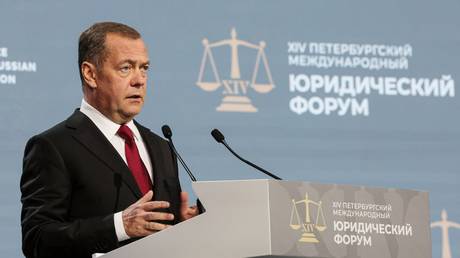
Russia’s Medvedev Backs African Push for Colonial Reparations Russia is positioning itself as champion of anti-colonial justice, backing African and Caribbean demands for reparations—while critics will see a geopolitical ploy aimed squarely at the West.
Moscow’s pitch: reparations and a new crime in international law
From the Russian government’s side, the message is blunt: the era of colonial impunity should end, and Western powers should pay up. Dmitry Medvedev, deputy chairman of Russia’s Security Council and former president, declared that Moscow will “actively support” African and Caribbean nations in demanding reparations and compensation from former colonial rulers, arguing that Western states must answer for “centuries of colonial exploitation.”
Medvedev’s legal gambit goes further. He wants colonialism itself carved out as a standalone “crime against humanity” under international law, to be written into a future UN Convention on the Prevention and Punishment of Crimes Against Humanity—explicitly to “establish the responsibility” of Western states for the exploitation and enslavement of colonized peoples. In his telling, former colonial powers have “neither legal nor moral grounds” to dodge reparations, and basic legal principles bar historic wrongdoing from becoming a source of legitimate rights.
Global South resonance vs. Western alarm
For many African and Caribbean leaders pushing for reparatory justice—highlighted by a recent global conference in Ghana—Russia’s support offers legal muscle and diplomatic amplification. Framing reparations as a matter of hard law rather than moral regret aligns neatly with long-standing demands from the Global South.
Western governments, however, are likely to see something more calculated: a Kremlin effort to weaponize historical guilt to fracture Western unity, reframe Russia as an anti-colonial power despite its own imperial record, and tighten ties with countries disillusioned by decades of “neo-colonial” economic relations.
In other words, Medvedev’s move isn’t just about the past. It’s about rewriting the rules—and alliances—of the present.
Write a comment