Hezbollah Rejects US-Brokered Israel-Lebanon Peace Deal, Sparking Protests
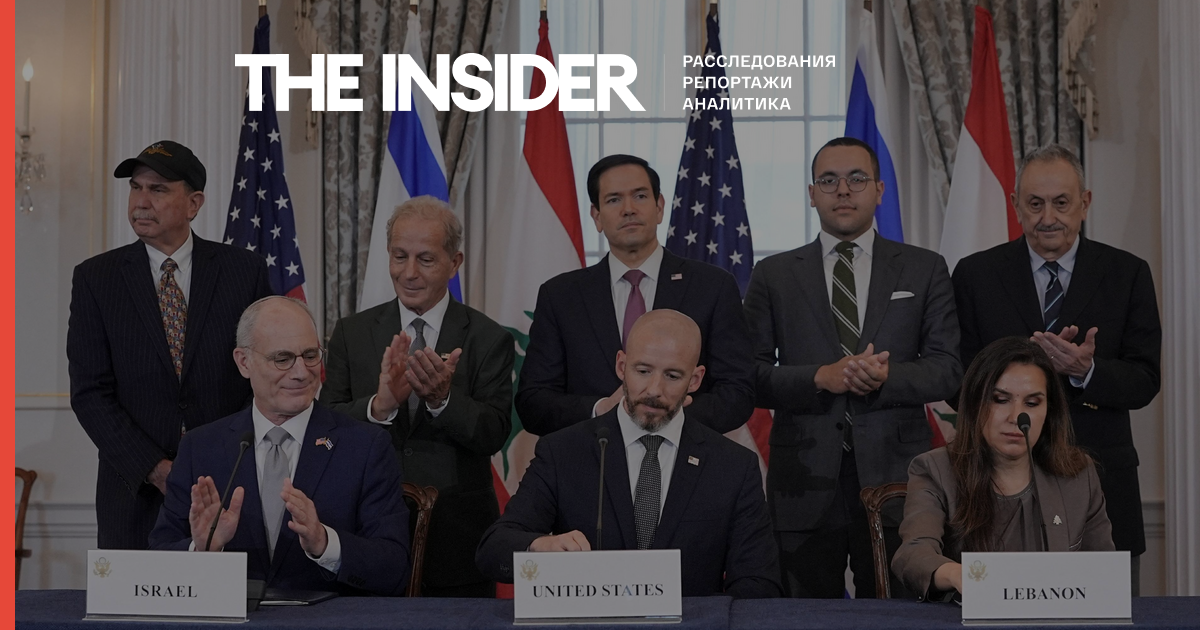
Hezbollah Rejects US-Brokered Israel-Lebanon Peace Deal, Sparking Protests A deal meant to end a war has instead opened a new front: inside Lebanon itself.
The Deal Washington Sells as Peace
In Washington, diplomats celebrated a trilateral framework between Israel, Lebanon and the US, sealed at the State Department as a formal step to “settling” relations between the neighbors. The text commits Tel Aviv and Beirut to “conclusively end the conflict and address its underlying causes” and provides for the “gradual withdrawal of Israeli forces” from parts of southern Lebanon.
Lebanese President Joseph Aoun publicly embraced the accord, hailing the framework agreement and thanking the US administration “for arranging and hosting the talks” and for its “support for Lebanon’s stance.” In Jerusalem, Benjamin Netanyahu went further, branding the deal a strategic strike on Israel’s enemies. He praised the agreement on Lebanon as a “blow to Iran” and made clear that the priority is that Israel “remains in the security zone in southern Lebanon,” vowing not to withdraw troops prematurely.
Hezbollah Sees Capitulation, Not Compromise
On the streets of Beirut, the same document is being torched rather than toasted. Protests erupted in the capital after the government signed the US-brokered peace agreement with Israel despite Hezbollah’s opposition, with demonstrators waving Hezbollah and Iranian flags as security forces locked down the city.
Hezbollah leader Naim Qassem has rejected the deal outright, calling it “humiliating, shameful and invalid” and likening direct negotiations with Israel to “imposing surrender and handing over free concessions.” A parallel opposition account frames the agreement as a “capitulation” to Israel, stressing that Hezbollah “would not abandon armed resistance” and condemning terms that tie any troop withdrawal to the group’s disarmament as crossing “all red lines.”
Security Zone vs. Sovereignty
Here the fault line is stark. For Israel, keeping forces in an extended “security zone” while Lebanese and US-backed mechanisms work to disarm Hezbollah is the feature of the deal, not a bug. For Hezbollah and its allies, that same sequencing legitimizes occupation, “turns Lebanon into a toy in the hands of the enemy” and risks, in the words of one Hezbollah MP, pushing the state “with American support, to civil war.”
Peace on paper, in other words, is colliding head‑on with the balance of power on the ground.
Write a comment