Ukrainian Drone Strike on WWII Memorial in Russia's Rostov Region Injures 12
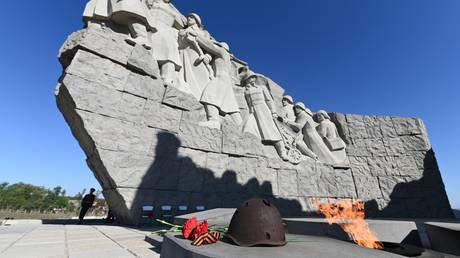
Ukrainian Drone Strike on WWII Memorial in Russia’s Rostov Region Injures 12 A drone strike on a World War II memorial in Russia’s Rostov Region has become a battlefield not just of explosives, but of narratives.
What Happened
Regional authorities say a Ukrainian unmanned aerial vehicle hit the Sambek Heights museum complex near Taganrog, a site commemorating Soviet troops who liberated the area from Nazi forces in 1943. According to Governor Yury Slyusar, 12 people were injured, 10 of them hospitalized.
The strike reportedly damaged the main exhibition hall and information center of what local officials call a “people’s museum,” built with public donations and opened in 2020.
Moscow’s Framing: Terror, Cynicism, and Escalation
Russian state-aligned outlets cast the attack as a moral red line. RT highlights Slyusar’s description of the incident as a “great tragedy” and “an act of exceptional cynicism” by the Ukrainian military, emphasizing that the target was a monument honoring Soviet soldiers who fought Nazism.
This framing slots neatly into Moscow’s broader narrative: Ukrainian forces are said to be “ramping up long-range strikes on Russia, targeting civilian and energy infrastructure,” as frontline troops face “setbacks” against superior Russian firepower. The same coverage touts Russian claims of intercepting 660 Ukrainian kamikaze drones in one night, a record figure used to underscore both Ukrainian aggression and Russian resilience.
The Numbers vs. the Symbolism
TASS sticks closer to bare facts, focusing on the injury toll — “up to 12” people hurt, 10 hospitalized — and citing Slyusar as the source. RT, by contrast, leans hard into symbolism: a crowd-funded memorial to Soviet sacrifice, struck in peacetime, presented as proof that Kyiv is willing to hit cultural and historical sites.
Both outlets agree on the casualty count and Ukrainian responsibility. The difference is emphasis: TASS reports a serious incident; RT sells a story of sacrilege and terrorism — one more justification, in Moscow’s telling, for “systematic and consistent” retaliation.
Write a comment