Heatwave in France Leads to Hundreds of Deaths
Heatwave in France Leads to Hundreds of Deaths France is sweltering through its deadliest heat since 2003, and the central question isn’t just how many died, but whether the state rose to the occasion or was caught flat‑footed.
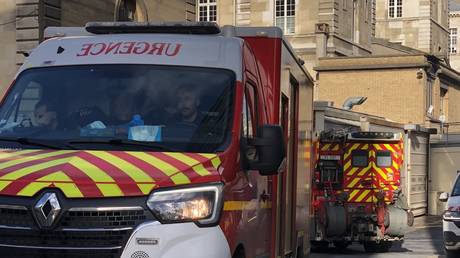
On the ground, the picture looks grim. In Paris alone, at least 109 people died in a single day as temperatures surged past 40C, with emergency calls up 80% and ER visits up 36%. Hospitals reported “an extremely sudden surge” in deaths, while funeral homes in the capital were “full or nearing capacity” and offering to move bodies to other regions. The overload has spread beyond Paris, with funeral providers in cities like Orléans and Nantes also reporting surges.
Zooming out, national health officials count around 1,000 excess deaths in less than a week, calling this France’s most severe heatwave in over two decades. Roughly 85% of victims were over 65, and deaths at home jumped 40%, especially in the greater Paris region, underscoring how the heatwave hit the isolated and elderly hardest. The Public Health Agency says the crisis has “highlighted the need to reinforce solidarity measures for people who are isolated or experiencing severe loneliness,” especially in dense cities.
Politically, the narratives split. Critics on the left brand the response a “disaster,” arguing that overwhelmed hospitals, stretched public services, and canceled events such as the Paris Pride March prove France was unprepared. The government flatly rejects that verdict. Interior Minister Laurent Nuñez insists, “No, I wouldn’t call it a fiasco… Every public service rose to the occasion because we were prepared.”
For now, the morgues, not the ministers, are offering the sharpest counter‑argument.
Write a comment