11 Killed in Skydiving Plane Crash in France
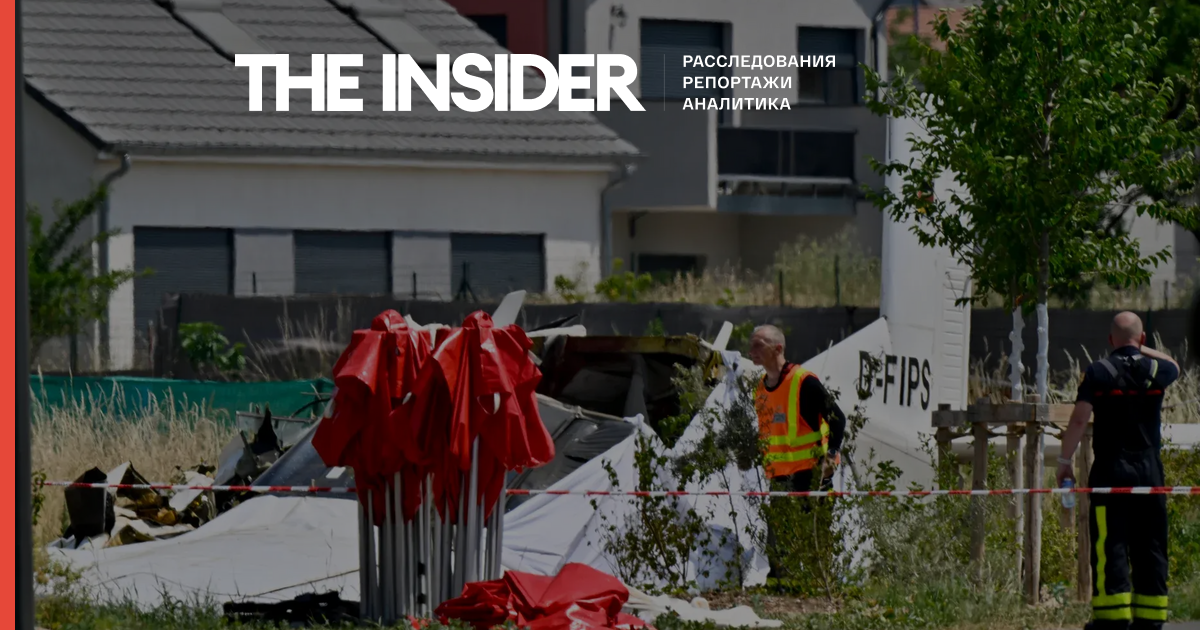
11 Killed in Skydiving Plane Crash in France A routine thrill over eastern France turned into a national tragedy — and now the real battle is over who controls the narrative when 11 people die in a skydiving plane crash.
The official line: mechanical failure, swift response
Government-aligned coverage zeroes in on facts, procedure and reassurance. A German‑registered Pilatus PC‑6 Porter, rented for introductory skydiving lessons, took off from Nancy-Essey airfield and “came down on a road near Nancy on Sunday, killing everyone on board.” The manifest was brutally clear: one pilot, five instructors, five trainees, some of them self‑employed nurses.
Officials stress luck amid disaster. The aircraft crashed near an Auchan supermarket in Tomblaine, but not into homes, and there were no casualties on the ground. The prefect of Meurthe-et-Moselle, Yves Séguy, is quoted saying a mechanical malfunction is the likely cause and that the plane “fell from the sky rather than attempting an emergency landing,” with an investigation formally opened and ministers of transport and interior dispatched to the scene.
The message: tragic but contained — and under control.
The opposition angle: human cost, strained services
Opposition‑leaning reporting tells the same story with a different center of gravity. It foregrounds the victims as a tight‑knit local community: five instructors from a parachute club and “a group of amateur paratroopers,” all killed, but “no casualties on the ground.”
Here, the nurses are not just passengers but symbols of a profession under pressure. Thierry Peche, head of the regional nurses’ association, calls it “a tragedy. We all know each other. We are a small, close-knit community,” stressing that what was meant as “a friendly, joyful event ended in disaster” and that the profession “is going through hard times; because of the heat, our colleagues probably needed rest.”
This account lingers on the massive emergency cordon, the deployment of 25 fire engines, and on-site psychological care — not just crisis management, but a portrait of a system stretched and a community shaken.
Same crash, different stories
Both sides agree on the basics: 11 dead, no victims on the ground, a Pilatus PC‑6 down near a supermarket in Tomblaine, and causes officially “unknown” pending investigation. But where the government frame leans on mechanical failure and ministerial presence, the opposition frame leans on overworked nurses, local grief and structural strain.
In France’s latest air disaster, the wreckage is shared — but the emphasis is not.
Write a comment