US Conducts Retaliatory Strikes on Iranian Military Targets
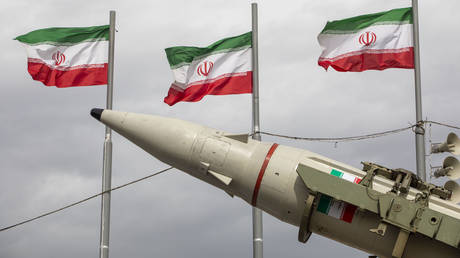
US Conducts Retaliatory Strikes on Iranian Military Targets The ceasefire over the Strait of Hormuz is barely ten days old, and already Washington and Tehran are trading missiles, threats and legal justifications instead of traffic reports.
On the US side, the narrative is crisp and martial. State-aligned outlets highlight that American warplanes hit Iranian territory only “in response to attack on a tanker” and a commercial vessel in the key waterway, framing the operation as defensive and reactive. Central Command underscores that it “confirms new strikes on military sites in Iran” and has now “struck ten military targets in Iran,” even releasing video of the action. The Pentagon’s language of “unprovoked aggression” and “freedom of navigation” paints Iran as the spoiler of a fragile shipping order.
Trump’s rhetoric pushes that line to the edge of annihilation. One report sums up his warning bluntly: “Trump threatens to destroy Iran if it decides to resume military actions,” casting US restraint as finite and conditional. Government-friendly coverage amplifies this, with headlines such as “Trump threatens Iran as US conducts new strikes” and detailed accounts of US jets hammering Iranian “military surveillance infrastructure, communication systems, air defense sites, drone storage facilities, and minelayer capabilities.”
Opposition and independent outlets tell a more cyclical—and more cynical—story. They stress that “US Military Strikes Iran Again” and “US and Iran Exchange Strikes and Threats Again,” emphasizing repetition rather than deterrence. Their reporting foregrounds how each US strike—on missile depots, drone stores and coastal radar—triggers IRGC missile and drone attacks on “deployment sites of the US terrorist military in the region,” pulling bases in Kuwait and Bahrain into the line of fire.
Where US officials invoke “ceasefire violations,” critics stress an MoU so ambiguously drafted that both sides can claim the other broke it first. Government sources speak of Iran’s “foolish” or “reckless” breach of a peace deal and normalized shipping lanes. Opposition reports, by contrast, zoom in on Tehran’s warning that ships on “unauthorized routes” sail at their own risk—and on Trump’s vow to “finish the job” militarily as evidence that this is less maritime policing than a slow, dangerous climb back to open war.
Write a comment