How mia forgot about the weekend bedtime story costs
- What the published story includes
- How to calculate the real budget
- Tariff structure and compliance risks
- Ways to reduce spending without creating exposure
- Questions readers often ask
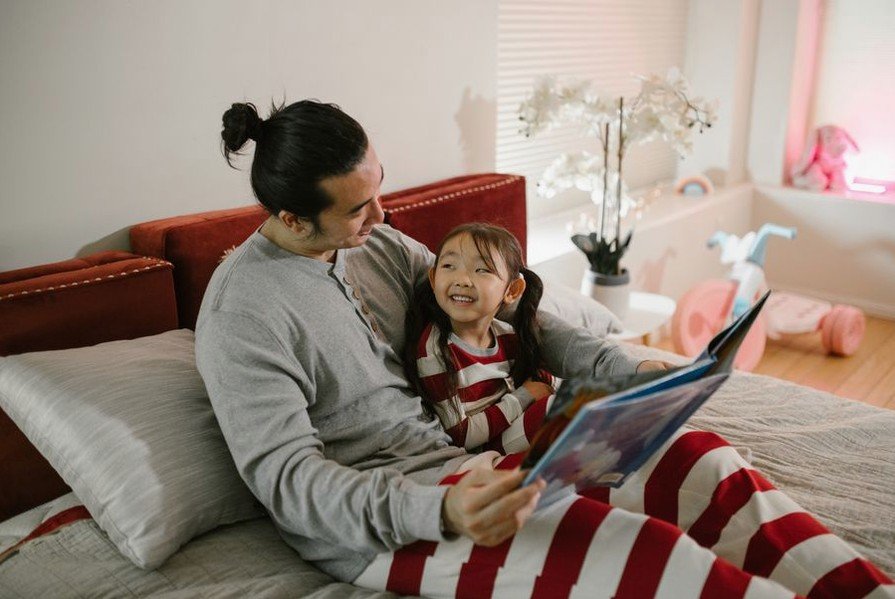
The cost of using how mia forgot about the weekend bedtime story depends on the access format, the reader’s purpose, and any permission needed for copying or public use. The source page identifies the author as Velikanova Yuliia, offers the fairy tale in FB2 format, and states that all rights are reserved. It does not show a purchase price or a separate commercial tariff.
What the published story includes
The story is a short fairy tale in verse about Mia, a schoolgirl who wakes up, washes, eats breakfast, packs her schoolbag, and prepares for class. Her mother then reminds her that it is a day off, so Mia returns to bed and enjoys the weekend morning.
The intended audience is preschool and early elementary readers. That detail affects the practical cost because a family may need only one reading session on a phone, tablet, computer, or e-book reader. A school, library, publisher, or event organizer may need broader permission before distributing copies or reading the text publicly.
The page lists FB2 as an available format. A reader who already has a compatible device avoids extra format-conversion work. If the device cannot open FB2, the cost may involve time spent converting the file or obtaining another authorized format. The source material does not list prices for conversion, printing, subscriptions, or downloads.
How to calculate the real budget
Start with the access charge shown at the time of use. Here, no exact price appears on the cited page, so a reliable calculation cannot include a made-up amount. Record the actual charge, if any, before planning a family, classroom, or event budget.
- A private reader usually needs to account for access and the device already used at home.
- A teacher may need printing, classroom distribution, or permission for repeated use, depending on the planned activity.
- A library or children’s event may face preparation costs, staff time, and public-reading permissions.
- A publisher or content platform must check whether it needs a separate license for reproduction, adaptation, or commercial distribution.
Printing should be calculated separately from digital reading. Paper, ink, binding, and staff time can exceed the access cost when many children need individual copies. A shared screen or a teacher’s authorized reading may reduce material expenses, but it does not automatically settle copyright permissions.
Tariff structure and compliance risks
A practical tariff structure should separate four possible charges: access, format, reproduction, and public use. The available page confirms the format and rights notice, but it does not publish rates for the other categories.
Do not treat the absence of a visible price as permission to copy the poem. The text names an author and carries an all-rights-reserved notice. For classroom handouts, website reposting, commercial workbooks, or recorded readings, request permission from the rights holder or follow the platform’s stated terms.
The safest budget plan uses the original page for reading and keeps distribution limited to what the rights holder permits. Copying the full poem into a school portal may create a compliance problem even when the activity is educational and non-commercial.
Ways to reduce spending without creating exposure
Choose digital reading when every child can use an authorized device. That removes printing and binding expenses, while retaining the story’s short format and simple weekend theme.
For a classroom, plan one authorized display or reading session instead of preparing a separate copy for every pupil. Ask for permission before recording the poem, translating it, editing the wording, or adding it to paid teaching materials.
Families can also avoid unnecessary conversion costs by checking whether their phone, tablet, computer, or e-book reader already supports FB2. Buying a conversion service before checking compatibility creates an avoidable expense.
Keep a written record of the page URL, author name, access date, file format, and any permission received. That record helps distinguish ordinary personal reading from a later request to reproduce or distribute the story.
Questions readers often ask
Is the story free to read?
The supplied page does not state a price. Check the live page and its terms before assuming that online access, downloading, or reuse carries no charge.
Can a teacher print the whole story?
Printing may require permission because the page identifies the author and reserves rights. Confirm the permitted classroom use before making multiple copies.
Which file format is available?
The story is available in FB2 format for phones, tablets, computers, and e-book readers. Device compatibility should be checked before arranging conversion or printing.
What is the cheapest compliant option?
For personal reading, use the authorized page or file on an existing compatible device. For group or commercial use, confirm permission first and calculate reproduction costs afterward.
Write a comment