Understanding the benefits of sleep modern fairy tale
- What the story teaches about sleep
- Calculating the cost of a late bedtime
- How the story presents a sleep budget
- How to optimize the evening without risking the next day
- Questions families often ask
What the story teaches about sleep
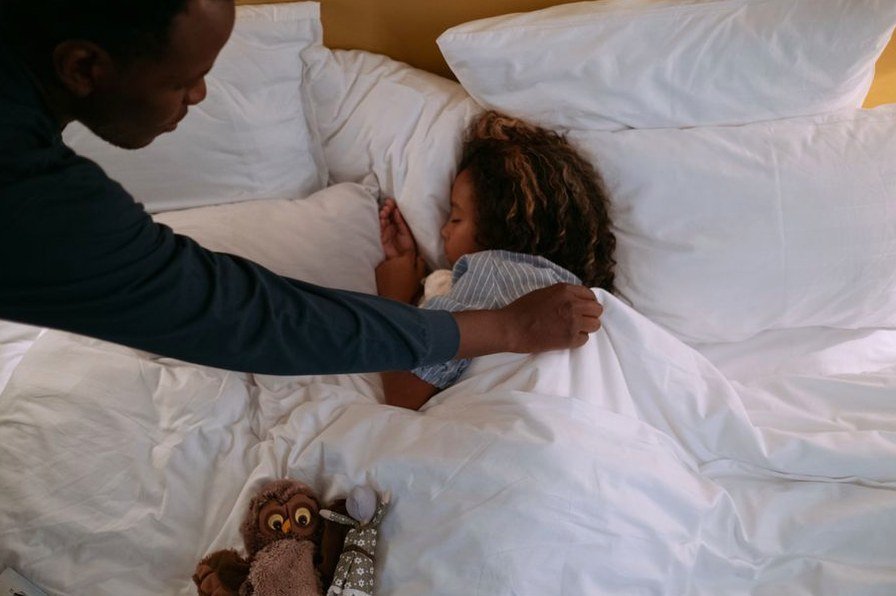
The benefits of sleep modern fairy tale shows how a child can pay a practical price for delaying bedtime. Zhenya, a first-grade pupil, stays awake for games, cartoons, drawing, and reading, then struggles during an important school relay. The story connects sleep with energy, concentration, memory, school performance, and the ability to support classmates.
Zhenya’s mother reminds her that bedtime comes at nine o’clock. The girl feels grown-up and assumes she can recover during the winter holidays. That calculation fails because rest postponed today does not automatically restore energy before tomorrow’s demanding activity.
Calculating the cost of a late bedtime
The tale does not provide a medical tariff, a fixed sleep allowance, or a price in money. Its cost calculation uses consequences instead. Zhenya goes to sleep close to midnight, wakes in the morning with heavy eyes, and has little energy for dressing or preparing for school.
Her evening appears to contain extra value because she finishes another cartoon, picture, or magazine. The following day reveals the hidden charge. She feels tired during the competition, loses strength during the deciding relay, and cannot take a step when the flag reaches her hand.
A simple family calculation can track four factors:
- The planned bedtime shows how much rest the child expected to receive.
- The actual time of falling asleep reveals how much evening activity displaced sleep.
- The next day’s workload includes lessons, physical activity, travel, and social responsibilities.
- The consequence records lost concentration, low energy, missed opportunities, or extra conflict at home.
This approach avoids invented numbers. Parents can compare the small benefit of one more activity with the likely cost during the next morning. Before a test, sports event, or demanding school day, the cost of delay becomes more visible.
How the story presents a sleep budget
A sleep budget is the amount of nightly rest a child needs to function during the next day. The story does not assign a universal number because children and schedules differ, but it clearly shows that a first-grade pupil cannot treat sleep as optional.
Late entertainment consumes time that the body needs for recovery. The result may appear as irritability, poor attention, weak recall, or reluctance to take part in normal activities. In Zhenya’s case, fatigue becomes severe enough for the school nurse to examine her and contact her mother.
The nurse finds the girl healthy but overtired and advises good sleep. That detail sets a compliance boundary for the story: a child may look physically well while still lacking the energy required for school and sport.
How to optimize the evening without risking the next day
Families can protect the sleep budget by checking tomorrow’s demands before choosing evening activities. A regular bedtime matters most before competitions, tests, early travel, or days with several lessons.
- Finish schoolwork early enough to leave a calm period before bed.
- Choose one evening activity instead of extending several activities late into the night.
- Use the agreed bedtime consistently, even when a cartoon or game reaches an exciting point.
- Prepare clothing and school items before bedtime so the morning requires less effort.
- Review the next day afterward and compare the bedtime with the child’s energy and attention.
This plan does not require a monetary purchase or a complicated schedule. Its purpose is to prevent a predictable trade-off: a few extra minutes of entertainment can remove the energy needed for lessons, exercise, and cooperation with classmates.
Questions families often ask
What are the main benefits of sleep in the fairy tale?
Sleep supports Zhenya’s energy, attention, memory, schoolwork, and physical participation. The story shows these benefits through the consequences of ignoring bedtime.
Why does Zhenya collapse during the relay?
She falls asleep close to midnight before an active school day. The nurse finds her healthy but overtired, so fatigue explains her lack of strength.
Does the story give an exact bedtime for every child?
No. It mentions nine o’clock as Zhenya’s mother’s bedtime reminder, but it does not establish a universal rule for all children.
How can parents reduce the cost of late activities?
They can check the next day’s demands, limit evening entertainment, keep a consistent bedtime, and prepare school items before sleep.
Write a comment