Instructions for Good Dreams Modern Fairy Tale Explained
- How the Story Is Structured
- What Each Rule Actually Does
- Why the Messy-Hair Detail Works
- When This Story Works Best and When It Doesn’t
- Frequently Asked Questions
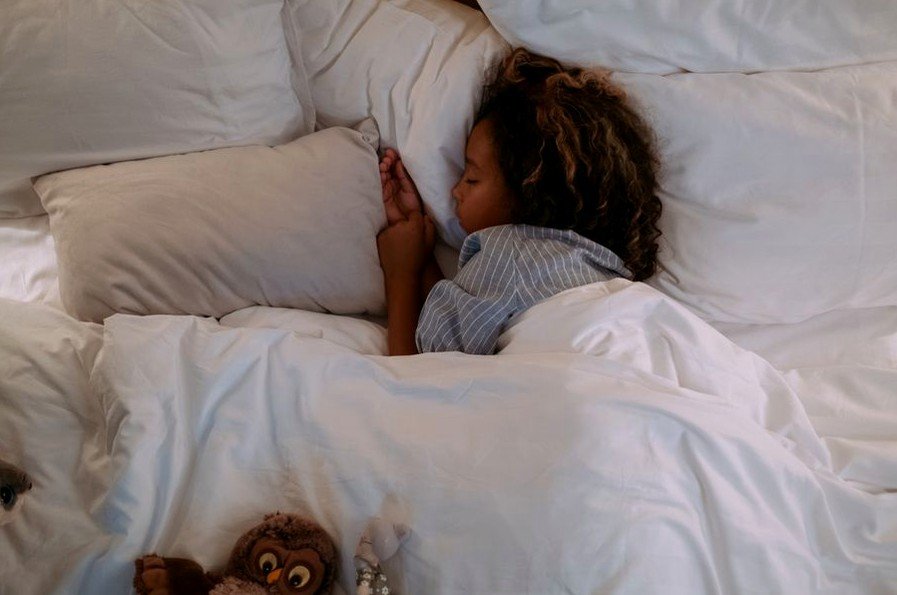
Bedtime resistance is one of the most common parenting frustrations, and most solutions fall into two camps: rigid schedules or drawn-out negotiations. The instructions for good dreams modern fairy tale takes a different route entirely, turning four ordinary pre-sleep habits into a narrative a child genuinely wants to believe in. The story doesn’t lecture; it builds a world where brushing teeth and airing the room become acts of consideration for a small magical visitor.
How the Story Is Structured
The fairy tale opens by establishing the sleep fairy as a loyal, long-term companion rather than a stranger. She has known the child since infancy, remembers which bed belongs to them, and returns to that same spot every night. That sense of continuity matters because children are more likely to follow rules set by someone they feel a genuine relationship with. It also reassures children who sleep away from home — the story explicitly addresses the “what if I’m at a friend’s house?” objection through house spirits who coordinate the fairy’s route. That’s not a throwaway detail; it preemptively closes the loophole a child might otherwise exploit to skip the routine.
The four rules are introduced with short rhyming mnemonics: clean air, clean teeth, a made bed, and a calm mood at lights-out. Each rhyme is memorable enough that a child can recite it back unprompted, which makes the routine self-reinforcing without parental reminders.
What Each Rule Actually Does
The room-airing rule frames ventilation not as a health lecture but as hospitality — the fairy needs fresh air to work. It also includes a smart safety clause: the child should ask a parent to open or close the window, never do it alone. That’s compliance built into the fantasy without a word of safety instruction.
The teeth-brushing rule uses mild social logic. Would you want to sit next to someone with stale breath? The fairy wouldn’t either. Children respond strongly to fairness arguments, and this one lands without any mention of cavities or dentist visits.
Making the bed in the morning earns pleasant dreams at night. The story calls un-made beds a home for “troublemakers” who tangle in the duvet and distract the fairy. This is probably the cleverest mechanical link in the whole piece — it connects a morning chore to a nighttime reward, closing a cause-and-effect loop across the entire day.
The fourth rule — going to sleep calm and without grudges — is the most psychologically honest. The story acknowledges directly that if a child spent the day arguing or watching too much screen content, the fairy struggles to smooth out the mental noise. That’s not magical thinking; it maps closely to what sleep researchers say about cortisol and REM quality. The story just doesn’t use those words.
Why the Messy-Hair Detail Works
One of the more memorable images in the story is the explanation for bedhead: the fairy got so absorbed in a particularly vivid dream that she stroked the same patch of hair for hours. Children are encouraged to notice this sign in other kids the next day and ask whether they had an interesting dream. That social extension pulls the story out of the bedroom and into everyday life, keeping the fairy’s presence active in a child’s imagination long after waking. It transforms a mundane physical detail into confirmation that the system works.
When This Story Works Best and When It Doesn’t
The fairy tale is well-suited for children between roughly three and eight years old — old enough to follow a multi-step narrative, young enough to inhabit the magic without irony. For children already skeptical of fantasy, the mechanical explanations (the messy hair, the bad-dream diagnosis) can still land as interesting puzzles even if the fairy herself is taken metaphorically.
The story is less effective as a one-off reading. Its power accumulates over repeated nights. The first time, children absorb the world-building. By the fifth or sixth night, the rules feel like their own established knowledge rather than something a parent is imposing. That shift — from instruction to ownership — is where bedtime routines tend to actually stick.
It also works poorly as a threat. The story never says the fairy punishes noncompliance; it says the fairy finds it harder to bring good dreams when conditions are difficult. That framing keeps the child as a collaborator rather than a subject of enforcement, which matters for children who resist authority-based reasoning.
Frequently Asked Questions
Does the child need to follow all four rules every night for the story to work?
The story itself answers this honestly: the more conditions are met, the better the dreams. Missing one rule occasionally doesn’t break the system, which makes the story realistic and prevents all-or-nothing thinking in children who slip up on a given night.
What if a child wakes from a bad dream despite following the rules?
The fairy tale addresses this directly. Too many restless thoughts - from conflict, overstimulation, or unresolved emotions - make the fairy’s job harder regardless of physical preparation. That opens a natural conversation about what happened during the day rather than treating the bad dream as a failure of the routine.
Can the story be read to children who share a room?
Yes. The sleep fairy is established as knowing each child’s specific place, so siblings each have their own relationship with her. The rules apply individually, which also means two children in one room can follow the routine without competing for the same magical resource.
How long does the story take to read aloud?
At a calm bedtime pace, the full text runs about eight to ten minutes - short enough to fit before lights-out without replacing other books, long enough to give a child time to settle into a quieter state before the room goes dark.
Write a comment