A crumbly and the new year preschool fairy tale
- The story route from the burrow to the forest
- How preschool children receive the central idea
- Using the fairy tale in different regions
- What the destination activity can include
- Why the ending works for preschool listeners
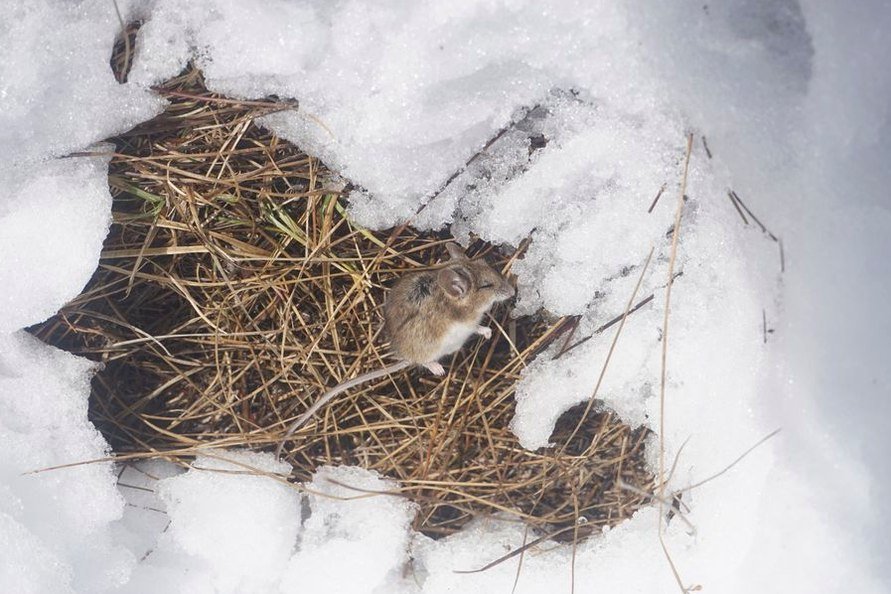
“Crumbly and the New Year” is a preschool fairy tale about a little mouse who fears winter until a New Year encounter changes his view. Crumbly lives in a small burrow with his mother, Gray Mouse, and has never seen snow because he is afraid to leave home. The story follows his emotional route from fear to curiosity, with the forest, the decorated tree, Father Frost, and a mysterious gift guiding each stage.
The story route from the burrow to the forest
The opening section establishes Crumbly’s starting point. He was born on a hot summer day, so winter is unfamiliar rather than personally dangerous. His mother describes harsh weather, deep snowdrifts, and the difficulty of finding food, and these warnings make the little mouse even more nervous.
When heavy snow covers the forest, Crumbly stays inside the burrow. Gray Mouse returns from her errands and describes snowflakes, animal tracks, and the quiet beauty of the winter landscape. Her account acts like a gentle route plan: the child first hears about the destination, then imagines what he might see there.
The New Year celebration gives Crumbly a clear reason to travel outside. His mother tells him that Crow Matryona has decorated the Christmas tree at the forest edge and that Father Frost will pass near their burrow. Crumbly wants to see the tree and the wizard, but his fear still blocks the journey.
How preschool children receive the central idea
For preschool listeners, the fairy tale works through a familiar emotional sequence. Crumbly begins in a safe place, hears information that increases his anxiety, discovers an attractive reason to leave, and receives support from a trusted parent. The story does not force him outside before he is ready.
On New Year’s Eve, the sound of small bells changes the situation. Gray Mouse hears Father Frost approaching, and Crumbly becomes so excited that he forgets his fear. He jumps from the burrow and reaches the snowy clearing, where the visual details become especially vivid: painted sleighs, three snow-white reindeer, a red coat, a white beard, a staff, and a large sack.
The route is short, but the emotional distance is large. Crumbly moves from a dark, familiar burrow into an open landscape filled with snow and moonlight. Preschool children can follow this change because each setting has a clear function: the burrow represents safety, while the clearing becomes a place of discovery.
Using the fairy tale in different regions
Regional delivery of this story works best through the child’s local preschool group, library session, or family reading time. The central plot does not depend on a particular city, climate, or transport route. A teacher in a snowy region can connect the story with real tracks and snowflakes, while a teacher in a warmer region can use pictures, paper snow, or a decorated classroom tree.
The story can travel to a classroom as a read-aloud text, an audio performance, or a short staged activity. Each format carries the same narrative route, but the receiving group needs different preparation. Children who have seen snow may focus on Crumbly’s fear of leaving the burrow; children without winter experience may need a brief explanation of snowdrifts, sleighs, and animal tracks.
The full text is available through crumbly and the new year preschool fairy tale. Before presenting it to a group, an adult can check which words need explanation and whether the children already know the New Year characters in the story.
What the destination activity can include
After the reading, the “destination” is the child’s own interpretation of the shiny box. The source story does not reveal its contents, so children can suggest different gifts without being corrected. One child may imagine a warm scarf, another may choose a small bell, and a third may decide that the box contains something that helps Crumbly feel brave.
A simple activity can follow the same route as the plot:
- Draw Crumbly inside the burrow before he sees the snow.
- Add snowflakes, tracks, and the decorated tree to a forest scene.
- Place Father Frost’s sleigh near the clearing.
- Invent the gift inside the shiny box and explain why Crumbly receives it.
These tasks keep the focus on the character’s change rather than on memorizing details. Children can also retell the story in three locations: the burrow, the snowy clearing, and the decorated tree at the forest edge. That structure helps them understand where each event happens and how the journey develops.
Why the ending works for preschool listeners
Father Frost gives Crumbly a gift as he passes quickly through the forest, but the most lasting change comes from Crumbly’s own experience. He sees the snow sparkling in the moonlight, notices animal tracks, and discovers that the winter landscape is beautiful rather than frightening.
When he returns to the burrow, he tells his mother that Father Frost is kind and that winter is not scary. Gray Mouse hugs him, and Crumbly falls asleep with a kind dream. From that day forward, he watches snowflakes and tracks near the forest edge with happiness.
For the next reading, ask the children what they think was inside the shiny box and which part of Crumbly’s route they would choose to visit first.
Write a comment