Choosing the offended porridge fairy tale for kids
- How to verify the supplier
- What to inspect in a warehouse
- When packaging needs reinforcement
- How to consolidate the batch
- Acceptance checklist
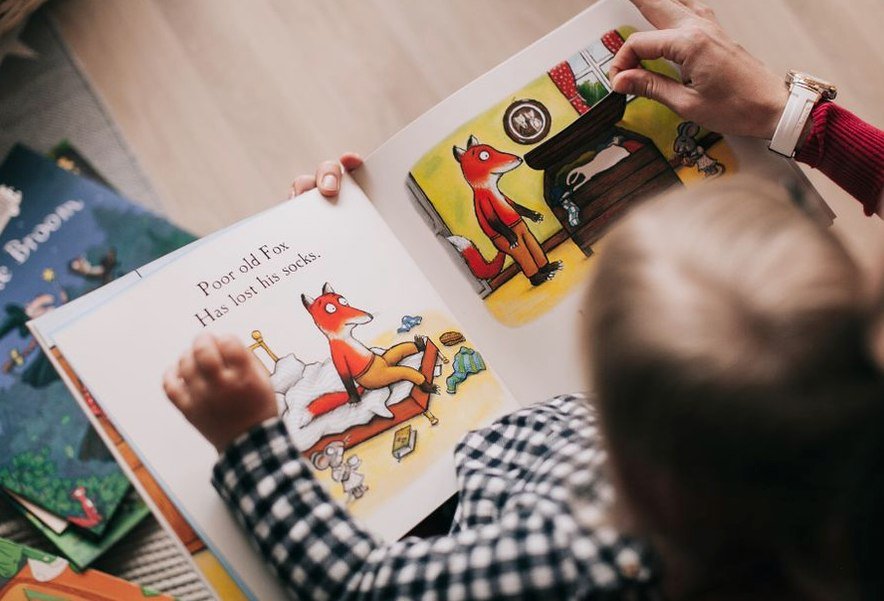
For a children’s reading set, verify the story text before ordering multiple copies. The version should follow Timmy, the bear cub who refuses porridge, loses strength during play, and later understands why breakfast matters.
Supplier checks should cover both content and physical condition. Ask for a readable sample of the offended porridge fairy tale for kids before approving a batch, especially when the books will be used in a classroom, library, or children’s reading group.
How to verify the supplier
Request the complete text or a full-page preview rather than relying on the title alone. The story begins in a lively forest, with morning dew, singing birds, an old hedgehog, a squirrel, a badger, and a family of bears near a clear forest lake.
The central character must remain little Bear Cub Timmy. His mother calls him to breakfast, but he refuses the porridge and says that he does not need strength. This detail sets up the story’s practical lesson and should not disappear during editing or adaptation.
- Check that Mama Bear offers honey porridge and encourages Timmy to eat at least one spoonful.
- Confirm that the porridge becomes offended after Timmy rejects it.
- Look for the three activity scenes: soccer with bear cubs, a race with rabbits, and rowing with beavers.
- Make sure each failed activity connects with Timmy’s lack of energy or control.
- Verify the ending, where Timmy eats the porridge and returns to play with renewed strength.
Ask who prepared the final file and whether the supplier can correct text errors before printing. A missing scene can weaken the cause-and-effect structure, while a careless rewrite may turn the lesson into a vague moral about obedience.
What to inspect in a warehouse
Inspect a physical sample from the actual batch whenever possible. A digital preview cannot show whether pages are cut unevenly, illustrations are blurred, or the binding opens comfortably for a child.
Open the book from the first page to the last. The forest introduction should appear in the correct order, followed by Timmy’s breakfast refusal, his unsuccessful attempts to play, and the return home. Page order matters because young listeners depend on clear visual and narrative progression.
Run a finger along the spine and corners. Loose pages, crushed edges, or adhesive marks can make a book unpleasant to handle and may cause damage during repeated classroom use. Check several copies from different cartons rather than approving one perfect sample.
Inspect the print around dialogue and punctuation. Mama Bear’s request, Timmy’s complaints, the comments from his friends, and the porridge’s speech need to remain easy to distinguish. Small type or weak contrast creates extra work for an adult reading aloud.
When packaging needs reinforcement
Reinforce the shipment when the books have soft covers, exposed corners, or a large combined weight. Use rigid outer protection and keep the copies tightly grouped so movement does not bend the pages during handling.
Separate damaged-looking cartons before dispatch. A crushed box may have transferred pressure to the book corners, even when the outer wrapping appears intact. Photographs of the packed batch create a useful record before consolidation.
Individual wrapping is rarely necessary for every copy if the books already have firm covers and stable cartons. It becomes more sensible when the batch includes thin paper covers or when several cartons will be moved between warehouses.
How to consolidate the batch
Consolidate copies only after the supplier confirms the same approved edition. Mixing versions can create different wording, page layouts, or illustrations within one reading set.
Mark each carton with the quantity, edition, and inspection status. Keep rejected copies separate from accepted stock, because a single damaged bundle can otherwise be included in the final shipment by mistake.
For a small order, one inspected carton may be enough. A larger educational batch needs sampling from each carton, with extra attention to pages containing the breakfast scene, the sports episodes, and the final return to the table.
Acceptance checklist
- Approve the supplier only after reviewing the complete story or a full sample.
- Confirm that Timmy’s refusal, failed activities, and changed attitude remain intact.
- Inspect page order, print quality, binding, corners, and covers.
- Reinforce cartons when soft covers or long handling routes create bending risk.
- Keep rejected copies outside the consolidated batch.
- Accept the shipment after checking every carton against the approved edition.
Write a comment