The gnome and his piece of happiness fairy tale for kids
- What the story offers young readers
- Buyer criteria before selecting a version
- Contract clauses to check before payment
- How the story works in real situations
- Frequently asked questions
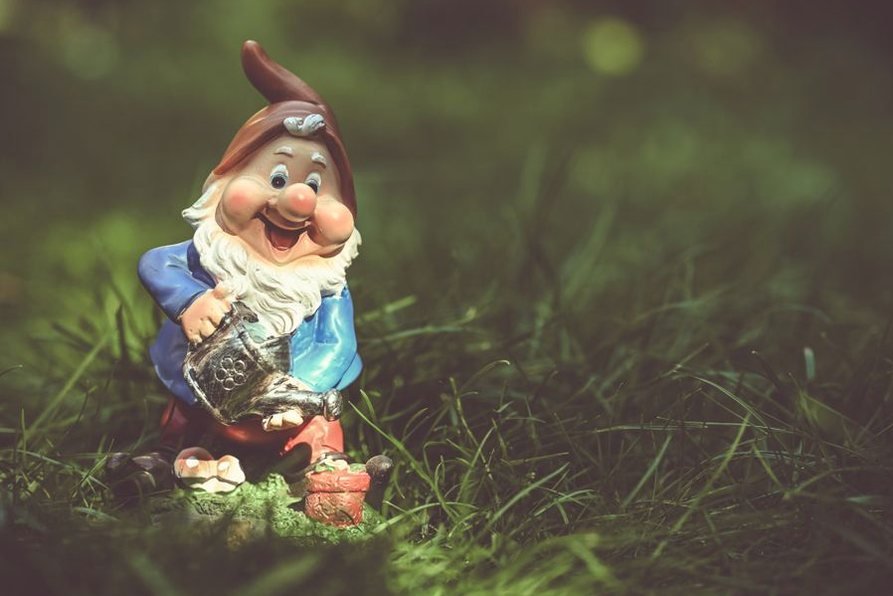
the gnome and his piece of happiness fairy tale for kids suits parents and teachers looking for a short story about kindness, family health, and the personal meaning of happiness. The central choice is clear: Rocky must give away his gift before his twentieth birthday, so he searches for a wish that deserves real help rather than an ordinary material reward.
When choosing this fairy tale for a child, check three things first. The story should match the child’s age, the emotional scene involving the sick mother should be suitable, and the purchase or usage terms should be clear before payment. The tale works best as a read-aloud story for children who can discuss feelings, generosity, and the difference between wanting an object and needing help.
What the story offers young readers
Every gnome in the magical land receives a piece of happiness at birth. That gift must be given to another person before the gnome turns 20, or it disappears. This condition gives the plot a simple time limit and helps children understand why Rocky cannot postpone his decision forever.
Rocky first visits the wish tree, where people leave ribbons with their secret wishes. Some ribbons ask for money or a new remote-controlled car. Rocky questions whether those wishes would create lasting happiness, because the gnomes live contentedly without money and already have what they need.
The decisive ribbon carries a very different request: a child wants his mother to become healthy. Rocky sees that this wish comes from love and fear, not from a desire to own something new. The Wise One uses a magical mirror to find the child, and Rocky travels through it with enchanted gloves.
The final scene gives the story its emotional answer. Rocky asks the boy what happiness means to him, and the boy replies that it is the health of his loved ones. After the piece of happiness reaches him, his mother opens her eyes and regains her natural color. Children can understand the message without needing an abstract explanation.
Buyer criteria before selecting a version
Start with the reading format. A parent buying a digital story may need a file that works on a phone or tablet, while a teacher may need permission to read it aloud to a group. The product description should identify the format, language, delivery method, and whether the text is intended for personal or classroom use.
Check the age guidance against the child’s emotional sensitivity. The boy is shown crying beside his pale, seriously ill mother, so some younger children may need an adult to explain the scene. The story does not describe medical treatment, but the illness remains central to the boy’s wish.
Look for a complete version rather than a short summary. Rocky’s decision depends on the contrast between several wishes, the wish tree, the Wise One’s mirror, and the final conversation with the boy. Removing those details can weaken the moral and make the ending feel sudden.
Contract clauses to check before payment
If the fairy tale is offered under a paid license, read the usage clause before completing the order. Confirm whether you may read it privately, use it in a classroom, print copies, publish excerpts, or share the file with other adults. A personal-use license may not cover group teaching or redistribution.
Check whether the license covers adaptations. Some buyers may want to translate the story, shorten it for younger children, turn it into a script, or add illustrations. Those rights should appear in writing rather than being assumed from the purchase of a reading copy.
Review the delivery and refund terms as well. The agreement should state when access begins, what happens if the file is damaged, and whether a refund applies after downloading. If the seller provides no clear terms, postponing payment is safer than relying on informal promises.
Also inspect the copyright notice and attribution requirements. If the story will appear in a school handout or a public performance, the buyer should know whether the author or website must be credited. Do not reproduce the full text publicly unless the license expressly permits it.
How the story works in real situations
Reading at home
A parent can read the story in one sitting and pause after Rocky sees the ribbons. Ask the child which wish seems most meaningful and why. This keeps the discussion connected to the plot instead of turning the tale into a general lecture about good behavior.
Using it in a classroom
A teacher can divide the discussion into three choices: money, a new toy, and a loved one’s health. Children can explain why Rocky rejects some wishes and chooses the modest ribbon. The activity works best when no child is asked to describe a real family illness.
Choosing it for a sensitive child
Read the description of the mother’s condition before sharing the story. If the child has recently experienced illness in the family, the adult may prefer to explain the ending first or choose a calmer reading moment. The story can still be useful, but its emotional weight deserves attention.
Frequently asked questions
What is the main lesson of the tale?
Happiness can mean different things to different people. For the boy, it means the health of someone he loves, while Rocky learns that a meaningful gift should answer a deeply felt need.
Is the story suitable for younger children?
It can suit younger listeners when an adult reads it aloud, but the sick mother scene may require a gentle explanation. Check the child’s sensitivity before choosing it.
What should buyers verify before paying?
Check the format, age guidance, delivery terms, refund rules, copyright conditions, and permission for classroom use, printing, translation, or adaptation.
Can the story be used at school?
That depends on the license. A buyer should confirm that group reading, handouts, and any public performance are covered before distributing the text.
Write a comment