Risk Controls for the tale of the magical toys for kids
- What the story actually establishes
- Where first shipments create avoidable risk
- How to structure contract guarantees
- Checking the product against the story
- When a shipment should be rejected
- A practical first-shipment sequence
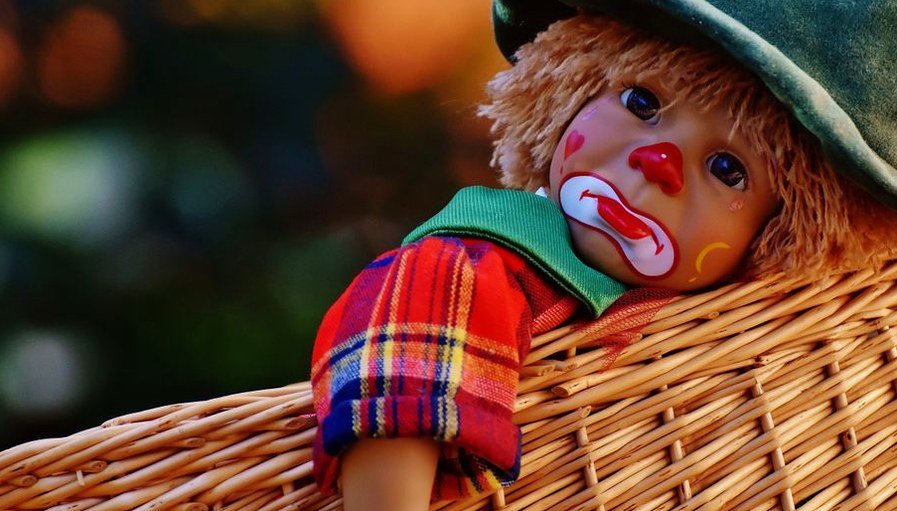
The tale of the magical toys for kids is a story about Peter, a forgotten clown, and toys that come alive at night. Buyers planning to publish, print, package, or distribute a product based on this story need written controls for content, quality, cargo condition, and acceptance before the first shipment moves. The story contains no prices, product specifications, shipping terms, safety certificates, or supplier guarantees, so those details must be agreed separately before money changes hands.
What the story actually establishes
Peter receives a clown as a birthday gift and gradually stops playing with it. The clown later climbs out of a large toy box and tells Peter that every toy is alive. Its history explains that a wizard made a thousand toys for children, but they became noisy, argued, and moved freely, so the wizard ordered them to remain silent and still before giving them to children in the city.
These details define the narrative identity of the product. A printed book, audio adaptation, illustrated card set, or theatrical version should preserve Peter, the clown, the toy box, the wizard, and the city children unless the contract clearly authorizes changes. A supplier who delivers attractive artwork but removes the central relationship between Peter and the clown may technically deliver goods while missing the intended content entirely.
Where first shipments create avoidable risk
Treating a story title as a complete product specification is the first mistake. Before ordering anything, the buyer should describe the exact item, format, quantity, dimensions, materials, packaging, language, illustrations, and approved files. Printed copies also require a proofing stage before the full batch begins.
Content errors are expensive because they often appear only after production. A missing paragraph, altered character name, poor translation, or illustration that contradicts the plot can make the shipment unsuitable for sale or reading sessions. The approved version should identify the final text and image files by date or file name, with a rule that production cannot proceed from an earlier draft.
Cargo damage is a separate problem. The story mentions a large toy box, but it says nothing about real packaging for books, toys, or promotional materials. The buyer should therefore specify protective packaging, carton condition, moisture protection where relevant, and the evidence required when goods leave the supplier. Photographs of sealed cartons and labels help establish whether damage occurred before dispatch or during transport.
How to structure contract guarantees
A useful contract connects each promise to a measurable acceptance test. Rather than requiring «high quality» goods, state what the buyer will actually inspect: correct title, complete text, approved illustrations, intact packaging, readable printing, and the agreed quantity.
- The supplier should identify the exact product version, including the approved manuscript or artwork files.
- The buyer should receive a proof or physical sample when the format makes visual or tactile inspection necessary.
- The contract should state who pays for correction or replacement when delivered goods differ from the approved version.
- Acceptance should include a defined inspection period after delivery, because defects are often invisible through outer packaging.
- Payment milestones should match production risk, with the largest payment tied to approved goods rather than an unverified promise to deliver.
These terms do not create a universal legal guarantee on their own. Their effect depends on governing law, the parties’ identities, and the precise wording of the agreement. They do, however, give the buyer evidence and a defined process when the first shipment fails inspection.
Checking the product against the story
A short content-control sheet during proofing covers the essentials. Confirm that Peter receives the clown as a birthday gift, that he later finds it on his bed, and that the clown climbs from the toy box. Check that the explanation about the wizard and the thousand toys remains understandable for the intended age group.
The phrase the tale of the magical toys for kids should appear consistently on the cover, order documents, packaging, and sales listing if it is the approved product name. Inconsistent titles create confusion between editions and make it harder to prove which version the supplier agreed to produce.
When a shipment should be rejected
Reject or quarantine the shipment when goods contain a different story version, missing pages, damaged packaging that exposes the contents, or illustrations that materially conflict with the agreed brief. Do not distribute questionable stock while waiting for a supplier response. Once copies reach customers, separating defective units from acceptable ones becomes harder and the cost of correction climbs.
A minor cosmetic issue may warrant a negotiated credit rather than full rejection, but that decision should follow the written acceptance rules. A missing section or wrong language version is a content failure, not a minor appearance defect.
A practical first-shipment sequence
- Define whether the order concerns a book, toy, audio product, or another adaptation.
- Attach the final story text and artwork requirements to the contract.
- Approve a sample before authorizing full production.
- Record carton condition and product quantity at both dispatch and delivery.
- Inspect the shipment against the agreed checklist before resale or distribution.
- Keep photographs, invoices, messages, and inspection records with the order file.
The next step is a one-page specification naming the format, approved text, required artwork, packaging standard, inspection period, and remedy for non-conforming goods — written before requesting the first quotation.
Write a comment