Why you should listen to your elders fairy tale
- Verifying the Story’s Actual Premise
- Inspecting the Narrative Structure
- Reinforcing the Lesson After Reading
- Pairing This Story with Related Titles
- Pre-Reading Acceptance Checklist
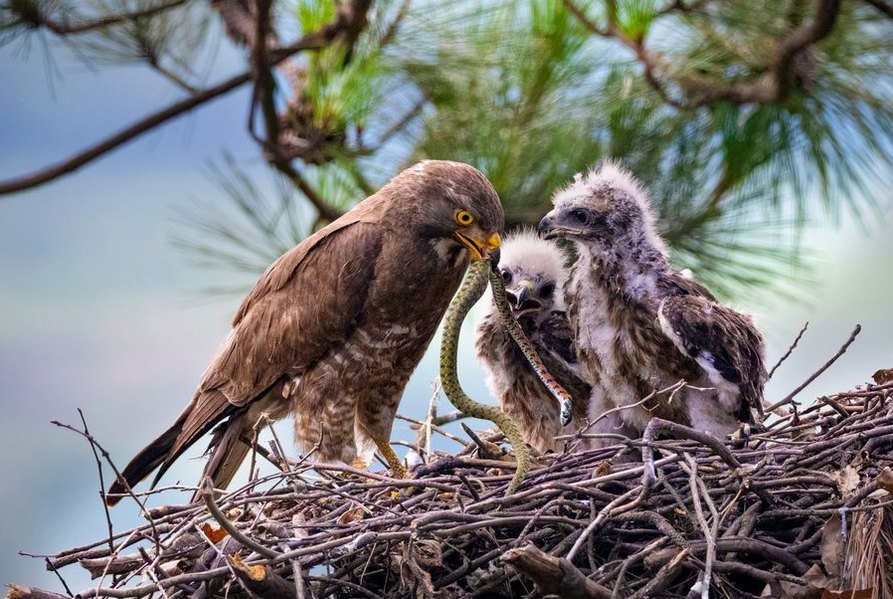
The why you should listen to your elders fairy tale about Baba Yaga and Little Og is a therapeutic story for children aged five to nine. Og ignores instructions, takes other children’s belongings, and refuses to help at home. Rather than scolding him, the story lets him see another child’s mistake and its consequences. That gives parents and educators a way to begin a conversation about listening to adults without turning reading time into another argument.
Verifying the Story’s Actual Premise
Og’s behaviour is not an occasional refusal after a tiring day. He defies adults at home and at school, and his behaviour affects his peers. His parents have tried talking to him, but those conversations have not worked. The distinction matters when choosing a story for a child: Og’s experience speaks most directly to a persistent pattern, not a problem tied to one stressful situation.
Baba Yaga brings a different voice to the conversation. She is known here for sensible advice, not punishment, and she approaches Og without repeating his parents’ unsuccessful talks. A child resistant to familiar instructions may be more willing to hear a lesson through a character in a story.
Inspecting the Narrative Structure
Baba Yaga tells Og about Jack, a boy who gets lost in a forest after ignoring his mother’s warnings. Og can follow Jack’s choices from a distance rather than being asked to defend his own. When Jack politely asks the forest animals for help, they assist him. His courtesy also gives Og an example of behaviour he has struggled to show.
Jack’s path is easy to follow: he disobeys, gets lost, asks for help, finds his way out, and decides to change. The consequences are concrete, as are the actions that help him recover. That sequence gives children aged five to nine more to work with than an instruction to “be good.”
Baba Yaga’s final advice to Og keeps the ending grounded. She tells him that change does not happen overnight and that he must try every day. Og is not expected to become obedient at once; the story leaves room for repeated effort after reading time ends.
Reinforcing the Lesson After Reading
After the story, parents can start with two or three open questions about the characters. “Why do you think Jack got lost?” and “What would you have done in the forest?” invite a child to explain the events in their own words. A conversation about the child’s conduct can come later, once they have had time to think about Jack and Og.
The setting matters, too. For a child aged five to nine, bedtime or a quiet afternoon offers more room for discussion than the minutes after a disciplinary incident. If the story is read immediately after a conflict, it may feel like another reprimand. Reading it during a calm moment gives the child a better chance to engage with the characters.
Pairing This Story with Related Titles
The same platform offers “Must Children Obey, or Amelia the Commander,” a rhyming tale for preschool children about a wilful girl who learns a similar lesson. Reading it on a consecutive evening offers another perspective, a different main character, and verse in place of prose. A child who responds better to rhythm than to Og’s story may find Amelia’s easier to remember.
“How Kolobok Made Friends on Internet Websites” turns to digital safety. Like the Baba Yaga story, it places a familiar folklore character in a situation children can discuss. If Og’s story holds a child’s attention, Kolobok offers a way to continue reading together while moving to a different risk.
Pre-Reading Acceptance Checklist
- Check whether the child is between five and nine years old, the age range for the story’s vocabulary and narrative complexity.
- Consider whether the behaviour occurs at home, at school, and with peers, or is mainly tied to a particular situation or source of stress.
- Choose a calm time to read rather than the moments directly after a conflict.
- Read the story yourself first. You can then pause when Baba Yaga begins Jack’s story and let the child register the change.
- Have two or three open questions ready about Jack before discussing the child’s own behaviour.
- Choose a companion story to read within the following two days, so the child encounters the lesson through a different narrative.
Write a comment