Akamaister

andrewgstanton@primal.net

Andrew G. Stanton (Akamaister) Builder · Writer · Bitcoin-aligned systems

Founder & Fractional CTO. I build durable software and publishing systems rooted in conviction, sovereignty, and long-term thinking.

Following Jesus. Building with proof of work, not proof of hype. Still building.

Primary work MyContinuum — sovereign publishing & identity https://mycontinuum.xyz

Archive (RSS) https://nostr.mycontinuum.xyz/e/rss/npub19wvckp8z58lxs4djuz43pwujka6tthaq77yjd3axttsgppnj0ersgdguvd/kind/30023.xml

Nostr npub19wv…guvd

Verify Tool:

https://nostr.mycontinuum.xyz/e/verify.html

PGP fingerprint B480 CC98 7E0B AA6D 5962 EBAA BF2E 7F14 860D 3FB0 Full key: https://andrewgstanton.com/pgp

Last generated: 2026-05-24 12:21 PM PST

Freedom Requires Memory

Freedom is often framed as the ability to choose in the present. This essay argues that freedom depends on continuity — the capacity to remember commitments, history, failures, and truths that resist revision. Without memory, freedom thins into impulse and becomes easy to manage.v

Cover image for Freedom Requires Memory

Freedom Is Not the Right to Be Unaffected

Modern notions of freedom increasingly assume insulation from consequence — emotional, social, or moral. This essay argues that freedom does not mean being untouched by others, but being answerable within reality.

Cover image for Freedom Is Not the Right to Be Unaffected

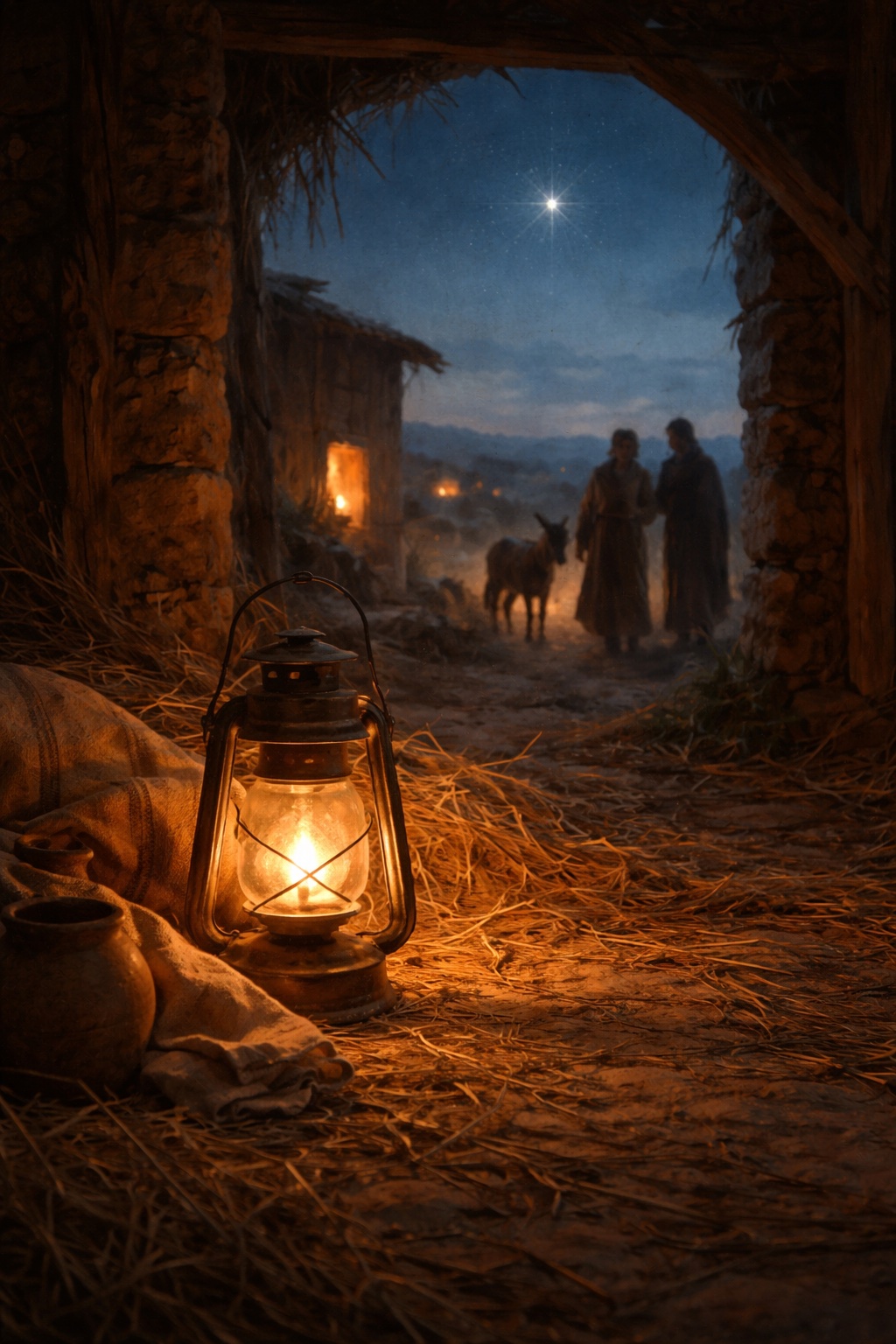
Sunday Article (Dec. 21, 2025): God Enters the Ordinary

Christmas is often imagined as interruption or spectacle, but the Incarnation unfolds almost entirely within the ordinary. This Sunday reflection considers how God chooses to enter history quietly, relationally, and without exemption from human limitation — and why that choice still shapes what faithfulness looks like now.

Cover image for Sunday Article (Dec. 21, 2025): God Enters the Ordinary

Free Article 2 (Dec. 21, 2025): Hope Without Optimism

Christmas hope is often confused with optimism — the belief that things will improve, resolve, or turn out well. This essay reflects on a deeper, quieter hope revealed by the Incarnation: hope that does not depend on conditions, momentum, or visible progress, but endures precisely when those things are absent.

Cover image for Free Article 2 (Dec. 21, 2025): Hope Without Optimism

Free Article 1 (Dec. 21, 2025): The Light Does Not Ask Permission

Christmas is often framed as comfort or reassurance, but the Incarnation is neither sentimental nor negotiated. This Sunday reflection explores how Christ enters history without asking permission from power, systems, or consensus — and why true light does not require validation to be real.

Cover image for Free Article 1 (Dec. 21, 2025): The Light Does Not Ask Permission

Sabbath Article (Dec. 20, 2025): Sabbath in a Tight Season

Sabbath is often framed as rest that flows from abundance, margin, or completion. This reflection explores Sabbath in a tighter, harder register — as rest practiced under constraint, uncertainty, and waiting. It reflects on what Sabbath means when there is no surplus, and why that form of rest may be closer to its original intent.

Cover image for Sabbath Article (Dec. 20, 2025): Sabbath in a Tight Season

Free Article 2 (Dec. 20, 2025) : The Incarnation Does Not Optimize

Modern systems are built to optimize — speed, scale, efficiency, growth. Christmas tells a different story. This essay reflects on the Incarnation as a deliberate refusal of optimization, and why God entering the world through limitation, obscurity, and vulnerability challenges every system that equates power with acceleration.

Cover image for Free Article 2 (Dec. 20, 2025) : The Incarnation Does Not Optimize

🔒 The Illusion of Safety

Modern institutions increasingly justify friction, surveillance, and control in the name of safety. This essay argues that much of what is labeled “security” today is actually liability management — systems designed to protect institutions from blame rather than people from harm. True safety does not emerge from endless verification or procedural opacity, but from accountability, legibility, and agency. A world optimized for legal defensibility may feel secure, yet leave individuals more exposed than before.

Cover image for 🔒  The Illusion of Safety

🔒 The Lie That Convenience Is Freedom

Modern platforms do not promise a frictionless world. They promise convenience — ease of use, reduced effort, and relief from responsibility — in exchange for agency. This essay argues that convenience is routinely mistaken for freedom, even as it narrows choice, concentrates power, and relocates friction outside the user’s control. Sovereignty does not remove friction; it makes friction visible, legible, and owned.

Cover image for 🔒 The Lie That Convenience Is Freedom

🔒 Paid Article (Dec. 19, 2025): The Bitcoin Chronicles - 1.A.0.1.6 - The Conscience of Babylon

Miriam Hale became the moral voice of institutions already losing legitimacy. This paid essay traces her final role during the exhaustion of the Compliance Age — as systems strained by financial crises, pandemic shocks, and exit dynamics sought ethical justification faster than trust could be restored. She did not save Babylon. She tried to help it fail without abandoning the vulnerable.

Cover image for 🔒 Paid Article (Dec. 19, 2025): The Bitcoin Chronicles - 1.A.0.1.6 - The Conscience of Babylon

🔒 Exit Is Not Rebellion

The ability to leave a system without permission is often mistaken for hostility. In reality, exit is what makes cooperation legitimate.

Cover image for 🔒 Exit Is Not Rebellion